
隔代教育

Search documents
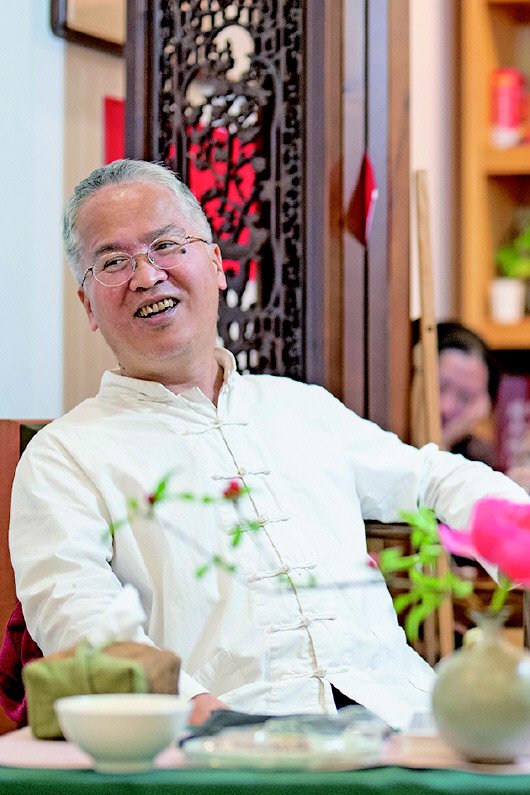
面朝礼乐,看见中国式教养最本真的模样
Xin Lang Cai Jing· 2026-01-14 16:31
Core Viewpoint - The concept of "lifting" is misunderstood as self-sacrifice, but it is actually a key to resolving self-dilemmas and establishing proper roles within families [2][3]. Group 1: Family Dynamics - The confusion in "hierarchy" leads to a lack of respect between parents and children, resulting in chaotic family environments [2]. - Clear role definitions within the family, where parents act as parents and children as children, create a more efficient and harmonious household [3][4]. - The absence of "ritual" leads to significant internal family conflicts, with parents feeling overwhelmed and children feeling misunderstood [3]. Group 2: Cultural Wisdom - "Ritual" is not a rigid doctrine but a sense of order that allows for effective relationships, while "music" represents the life force that facilitates interaction and joy among family members [3]. - The integration of "ritual" and "music" is essential; without one, the other can become either a constraint or indulgence [3]. Group 3: Education and Parenting - Family is the foundation of education, with schools serving as a supplementary role; many parents overly rely on schools for their children's upbringing [4][5]. - The value of intergenerational relationships is highlighted, as they provide children with a rich emotional connection to family, which is crucial for their development [5]. - Parents should focus on nurturing their children's responsibilities and emotional connections rather than solely pushing for academic success [5]. Group 4: Practical Advice for Families - To create a nurturing environment, families should maintain regular contact with grandparents and engage in shared activities that promote closeness [4][5]. - The emphasis is on returning to traditional wisdom and practices that have sustained Chinese civilization for thousands of years, suggesting that these principles remain relevant today [5][6].

信“心”心理问答|隔代教育 “战争” 背后的真相:不是谁对谁错,而是如何让爱与规则共存
Jing Ji Guan Cha Bao· 2025-04-30 01:08
Core Viewpoint - The article discusses the generational conflict in parenting styles between young parents and their own parents, highlighting the challenges of balancing love and discipline in child-rearing [4][7]. Group 1: Generational Conflict - The tension arises from differing educational philosophies, with grandparents often indulging the child while parents enforce strict rules [1][2]. - The grandparents' indulgence is linked to their desire for emotional fulfillment and a sense of value after retirement, leading to a clash with the parents' focus on discipline and self-regulation [4][5]. - The lack of effective communication and mutual understanding exacerbates the situation, making it difficult to establish a cohesive educational approach [2][3]. Group 2: Solutions and Strategies - To resolve the conflict, the article suggests using "emotional connection" instead of a "right vs. wrong" approach, employing techniques like the "sandwich communication method" to facilitate discussions [5][6]. - Establishing a "family agreement" that delineates roles and responsibilities can help clarify expectations, with parents leading educational efforts while grandparents focus on daily care [6]. - Encouraging collaboration by involving grandparents in non-material aspects of child-rearing can transform conflicts into cooperative opportunities, fostering a supportive environment for the child [6][7].