难治性高血压治疗

Search documents
替尔泊肽:顽固性高血压治疗迎来新契机?一则成功个案引爆讨论
GLP1减重宝典· 2026-02-05 15:01
Core Viewpoint - The article discusses the challenges and new perspectives in the treatment of resistant hypertension, highlighting the potential of GLP-1/GIP receptor agonists in managing blood pressure for patients who do not respond to traditional medications [6][12]. Group 1: Resistant Hypertension - Resistant hypertension is defined as a condition where patients cannot achieve effective blood pressure control despite using five or more antihypertensive medications at maximum doses [6]. - This condition significantly increases the risk of cardiovascular and renal complications, yet treatment options remain limited [6]. Group 2: Case Study and Treatment Progress - A case study of a 71-year-old female patient illustrates the challenges of managing resistant hypertension. Despite being on eight antihypertensive medications, her blood pressure remained uncontrolled, with systolic readings exceeding 200 mmHg [7][10]. - The patient began treatment with liraglutide in 2013, which reduced her systolic blood pressure from 206 mmHg to 160 mmHg over six years [8]. - In 2019, the treatment was switched to dulaglutide, and in 2023 to terzepatide, resulting in a further reduction of systolic blood pressure to 135 mmHg, indicating the effectiveness of GLP-1/GIP receptor agonists [9][10]. Group 3: Mechanisms of Action - GLP-1/GIP receptors are widely distributed in the hypothalamus, carotid body, vascular endothelium, and kidneys. Animal studies suggest these agonists may lower blood pressure by inhibiting sympathetic nervous system activity, improving endothelial dysfunction, and/or reducing vascular remodeling [12]. - The case study suggests that GLP-1/GIP receptor agonists may have broader applications in blood pressure control, particularly for resistant hypertension, indicating a need for further exploration of their mechanisms [12].

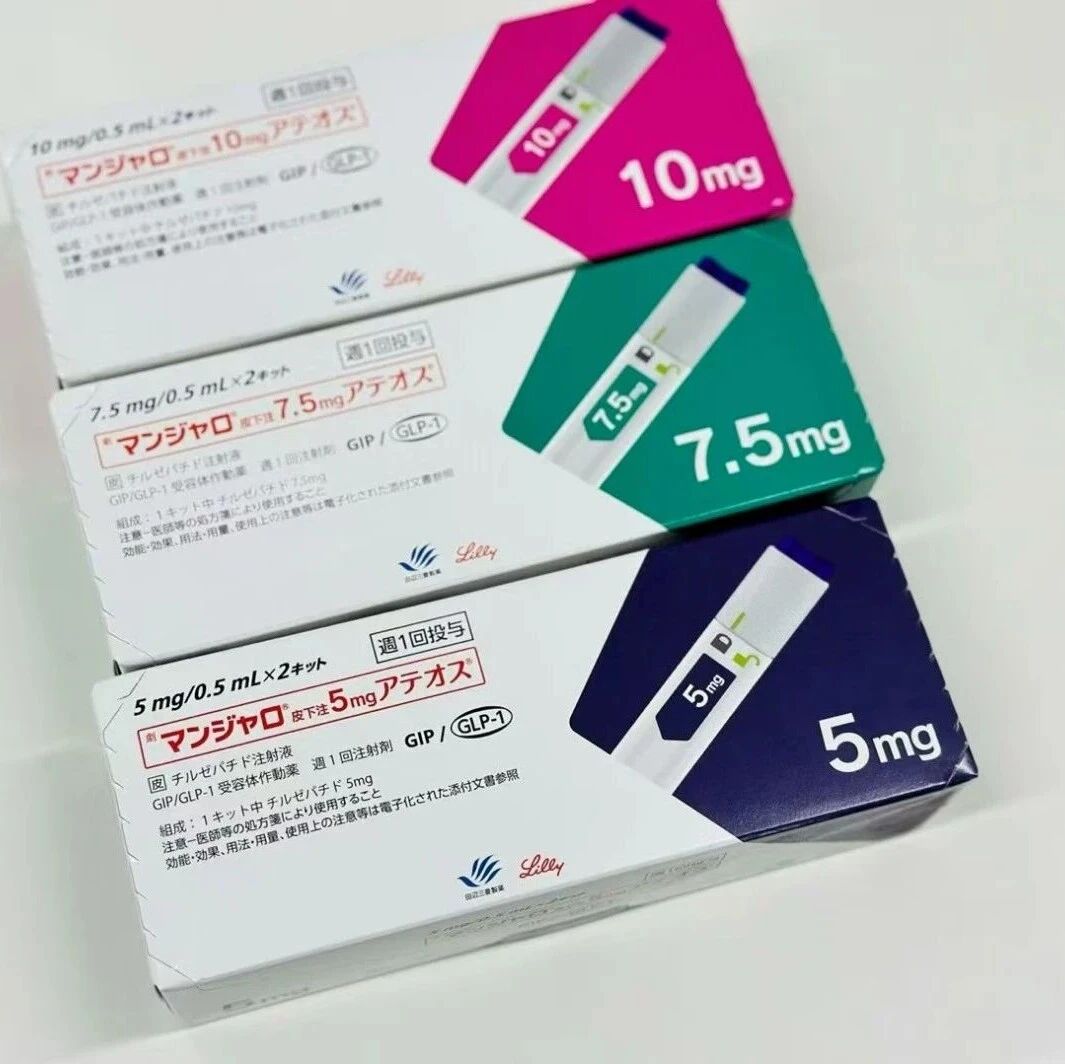
替尔泊肽:难治性高血压治疗新突破?一例成功案例引发热议
GLP1减重宝典· 2025-11-10 13:34
Core Insights - The article discusses the challenges and new perspectives in the treatment of resistant hypertension, particularly focusing on the potential of GLP-1/GIP receptor agonists in managing blood pressure in patients who do not respond to traditional medications [6][7][12]. Group 1: Resistant Hypertension - Resistant hypertension is defined as a condition where patients cannot achieve effective blood pressure control despite using five or more antihypertensive medications at maximum doses [6]. - This condition significantly increases the risk of cardiovascular and renal complications, highlighting the need for more effective treatment options [6]. Group 2: Case Study - A case study of a 71-year-old female patient illustrates the potential of GLP-1/GIP receptor agonists. Despite being on eight antihypertensive medications, her blood pressure remained uncontrolled until she began treatment with liraglutide in 2013, which reduced her systolic blood pressure from 206 mmHg to 160 mmHg over six years [8][10]. - The treatment was later switched to dulaglutide and then to terzepatide, resulting in further blood pressure reduction to 135 mmHg, demonstrating the effectiveness of these agents in resistant hypertension [9][10]. Group 3: Mechanism of Action - GLP-1/GIP receptors are widely distributed in the hypothalamus, carotid body, vascular endothelium, and kidneys. Animal studies suggest that these receptor agonists may lower blood pressure by inhibiting sympathetic nervous system activity, improving endothelial dysfunction, and/or reducing vascular remodeling [12]. - The findings from the case study indicate that GLP-1/GIP receptor agonists may have broader applications in blood pressure control, especially for patients with resistant hypertension, and emphasize the need for further exploration of their mechanisms [12].
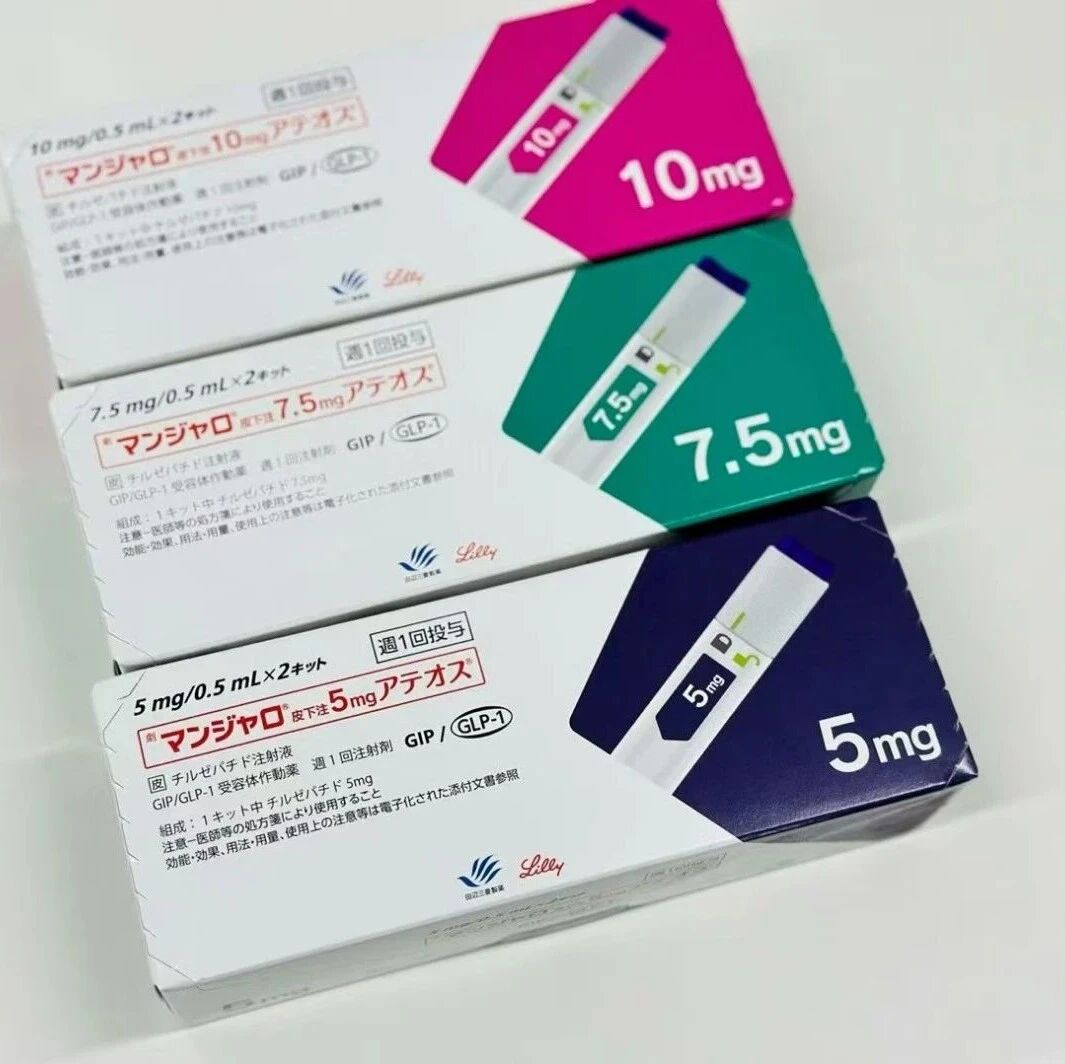
Idorsia (OTCPK:IDRS.F) Update / Briefing Transcript
2025-09-08 15:02
Summary of IDORSIA's TriVia Investor Q&A Conference Call Company and Industry Overview - **Company**: IDORSIA - **Product**: TriVia, a novel hypertension therapy targeting the endothelin pathway - **Industry**: Hypertension treatment Key Points and Arguments TriVia's Innovation and Market Position - TriVia is the first innovation in hypertension treatment in over two decades, specifically targeting the endothelin pathway, which has been unaddressed until now [2][3] - The drug addresses a significant unmet need in difficult-to-control hypertension, particularly in high-risk groups such as African Americans, elderly, postmenopausal women, and patients with chronic kidney disease (CKD), type 2 diabetes, heart failure, or sleep apnea [4][5] Clinical Efficacy and Safety - TriVia demonstrated a meaningful reduction in blood pressure, achieving a decrease of 19 mmHg over 48 weeks in the PRECISION study, which included patients with resistant hypertension [6][7] - The drug was well tolerated, with only mild side effects reported, and no significant drug-drug interactions observed [7][8] - TriVia's FDA label includes its efficacy in reducing the risk of cardiovascular events, such as strokes and myocardial infarctions [8] Market Opportunity and Sales Projections - The U.S. market for TriVia is projected to reach peak sales of $5 billion, targeting approximately 7 million patients who are inadequately controlled despite treatment [14][15] - The aging population and increasing recognition of the consequences of uncontrolled hypertension are expected to drive market growth [14] - Physicians recognize TriVia's unique mechanism of action and efficacy, particularly for patients with CKD, which positions it favorably against emerging therapies [16] Geographic Expansion and Strategic Partnerships - TriVia is already approved as JARIGO in the EU and UK, with potential opportunities in Japan and China [17] - IDORSIA is actively seeking partnerships to maximize TriVia's commercial success, emphasizing the importance of securing the right partner for effective market penetration [18][19] Challenges and Hurdles - The primary hurdle for TriVia's adoption is the need for physicians to understand its new mode of action compared to traditional antihypertensive therapies [31][32] - Despite the challenges, there is a strong belief that the impressive results and safety profile will facilitate acceptance among healthcare providers [32] Additional Important Information - The conference highlighted the importance of medical education to enhance awareness of the endothelin pathway's role in hypertension management [33] - IDORSIA plans to provide further updates on TriVia's performance in upcoming quarterly results [35]
难治性高血压患者,迎来新希望
第一财经· 2025-07-15 03:32
Core Viewpoint - AstraZeneca's innovative drug baxdrostat has shown significant blood pressure reduction in a late-stage trial for treatment-resistant hypertension, leading to a 2% increase in the company's stock price [1][2]. Group 1: Drug Development and Efficacy - Baxdrostat achieved both primary and secondary endpoints in the study, significantly lowering systolic blood pressure compared to the placebo group within 12 weeks, demonstrating both statistical and clinical significance [2]. - The drug targets aldosterone, a hormone that raises blood pressure, with approximately 25% of hypertension cases stemming from aldosterone level dysregulation, offering a new treatment option distinct from traditional ACE inhibitors [5]. Group 2: Market Potential and Sales Forecast - AstraZeneca anticipates that baxdrostat could exceed $5 billion in peak annual sales, potentially used alone or in combination with Farxiga, another cardiovascular therapy that currently generates over $1 billion in annual sales [8]. Group 3: Clinical Research and Global Impact - The World Health Organization reports that hypertension affects over 1 billion people globally, and AstraZeneca is conducting a large-scale clinical study involving over 20,000 patients to test baxdrostat's efficacy across four indications, including chronic kidney disease and heart failure prevention [6]. - Full trial results for baxdrostat are expected to be announced at the European Society of Cardiology (ESC) annual meeting in August, with participation from China in this global clinical trial [7].


阿斯利康新型降压药显示积极疗效,难治性高血压患者迎来新希望
Di Yi Cai Jing· 2025-07-14 11:58
Core Viewpoint - AstraZeneca's innovative drug baxdrostat shows significant blood pressure reduction in patients with resistant hypertension, indicating a potential breakthrough in hypertension treatment [1][2] Group 1: Drug Efficacy and Research - Despite existing hypertension treatments, half of the patients do not achieve adequate blood pressure control [1] - In a late-stage trial, baxdrostat significantly lowered systolic blood pressure compared to the placebo group, achieving both primary and secondary endpoints [1] - The drug targets aldosterone, a hormone that raises blood pressure, with approximately 25% of hypertension cases linked to aldosterone level dysregulation [1] Group 2: Market Potential and Sales Forecast - AstraZeneca acquired CinCor Pharma in 2023, expanding its product line in cardiovascular and renal disease treatments with baxdrostat [1] - The company anticipates peak annual sales for baxdrostat to exceed $5 billion, with potential for use alone or in combination with Farxiga, another cardiovascular therapy [2] - Farxiga currently generates over $1 billion in annual sales, used for treating type 2 diabetes, heart failure, and chronic kidney disease [2] Group 3: Ongoing Clinical Trials - AstraZeneca is conducting a large-scale clinical study involving over 20,000 patients to test baxdrostat's efficacy across four indications, including chronic kidney disease and heart failure prevention [2] - Full trial results for baxdrostat are expected to be presented at the European Society of Cardiology (ESC) annual meeting in August [2] - China is participating in this global clinical trial [2] Group 4: Competitive Landscape - Mineralys Therapeutics is also developing a drug, lorundrostat, targeting aldosterone, with plans to submit data to the FDA by the end of the year [2]