
非确定性

Search documents
在参与OpenAI、Google、Amazon的50个AI项目后,他们总结出了大多数AI产品失败的原因
3 6 Ke· 2026-02-09 06:57
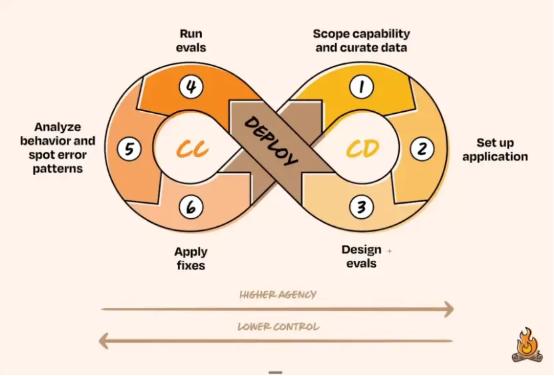
Core Insights - The cost of building AI products has significantly decreased, but the real challenge lies in product design and understanding the pain points to be addressed [1][2][3] - AI is a tool for solving problems, and leaders must engage directly to rebuild their judgment and adapt to new realities [2][3] - Retaining a degree of "foolish courage" is essential in an era where data suggests high failure rates [3] AI Product Development Challenges - Skepticism towards AI has decreased, but many leaders still view it as a potential bubble, delaying genuine investment [4] - Successful AI product development requires a thorough understanding of user experience and business processes, often necessitating a complete overhaul of existing workflows [4] - The lifecycle of AI products differs from traditional software, leading to a need for closer collaboration among PMs, engineers, and data teams [4][5] Key Differences in AI Product Construction - AI systems operate with a level of non-determinism that traditional software does not, complicating user interactions and outputs [5][6] - The balance between agency and control is crucial; higher autonomy in AI systems requires a foundation of trust built over time [6][7] - Starting with low autonomy and high control allows for gradual understanding and confidence in AI capabilities [7][8] Successful AI Product Patterns - Successful companies exhibit strong leadership, a healthy culture, and ongoing technical capabilities [14][15][16] - Leaders must acknowledge the need to relearn and adapt their intuition in the context of AI [14] - A culture that empowers employees and emphasizes AI as a tool for enhancement rather than a threat is vital for success [15] Continuous Calibration and Development Framework - The CC/CD framework emphasizes continuous improvement and understanding user behavior while maintaining user trust [25][28] - Initial stages should focus on low autonomy and high control to mitigate risks and build confidence in the system [28][29] - The framework encourages iterative processes to adapt to new user behaviors and system capabilities [32][34] Future of AI - The potential of Coding Agents remains underestimated, with significant value expected to be unlocked in the coming years [35] - The integration of AI into real workflows will enhance its contextual understanding and proactive capabilities [38] - A shift towards multi-modal experiences is anticipated, allowing for richer interactions and unlocking previously inaccessible data [39] Skills for AI Product Builders - The ability to focus on problem-solving and understanding workflows is becoming increasingly important as implementation costs decrease [40][42] - Proactive engagement and a willingness to iterate through trial and error are essential for success in AI product development [41][42]



如何应对不同类型的生成式人工智能用户
3 6 Ke· 2025-12-19 03:54
Core Insights - Understanding user perspectives on AI is crucial for designing effective tools based on large language models (LLMs) [1] - User research should not be overlooked, as assumptions about user experiences can lead to product failures [1] User Categories - Unaware Users: These users do not think about AI and do not see its relevance to their lives, leading to limited understanding of the underlying technology [2] - Avoidant Users: This group holds a negative view of AI, approaching it with skepticism and distrust, which can adversely affect brand relationships [3] - AI Enthusiasts: Users in this category have high expectations for AI, often unrealistic, believing it can handle all tedious tasks or provide perfect answers [4] - Informed AI Users: These users possess a realistic perspective and likely have higher information literacy, employing a "trust but verify" approach [5] User Expectations and Experiences - Many users may lack knowledge about how LLMs work and may have unrealistic expectations based on previous experiences with powerful tools [6] - Emotional responses and information levels combine to form user profiles, impacting how they perceive and interact with AI technologies [7] - The unique qualitative aspects of generative AI contribute to polarized user reactions, unlike other technologies [8] Non-Determinism and Complexity - Generative AI introduces non-determinism, breaking the reliability users expect from technology, which can undermine trust [9] - The "black box" nature of generative AI makes it difficult for users to understand how models arrive at specific outputs, leading to challenges in acceptance [10] Autonomy and User Control - The increasing autonomy of generative AI tools can create anxiety among users, especially when they are unaware of AI's involvement in tasks [11] - Users may struggle to recognize AI-generated content, raising concerns about the distinction between AI outputs and human-generated materials [11] Product Development Implications - Building products involving generative AI is feasible, but it requires careful consideration of risks and potential rewards [12] - Conducting thorough user research is essential to understand the distribution of user profiles and plan product features accordingly [13] - Training users on the solutions provided is critical to set realistic expectations and address potential concerns [13] User Adoption Strategies - Companies should respect user preferences, as some may refuse to use generative AI tools due to various reasons, including safety concerns or lack of interest [14] - Effective communication and thorough testing of solutions can help improve adoption rates over time, but imposing AI tools on users is counterproductive [14] Conclusion - The design of generative AI products necessitates a deep understanding of user interactions and expectations, as the impact on user relationships can be significant [15]