非药物干预

Search documents
献良策、谋发展!省政协委员抵长报到
Xin Lang Cai Jing· 2026-02-01 08:58
Group 1 - The Hunan Provincial Political Consultative Conference is underway, with members arriving to discuss proposals focused on local development and public health [1] - Member Li Hongmei emphasizes the need to accelerate the construction of the Yongqing Expressway (from Jianghua to Lianshan) to facilitate communication for enterprises within and outside the province [1] - Member Liu Dongbo highlights the importance of non-drug interventions for public health, advocating for a shift towards proactive health management through exercise prescriptions and nutritional guidance combined with digital healthcare [1]
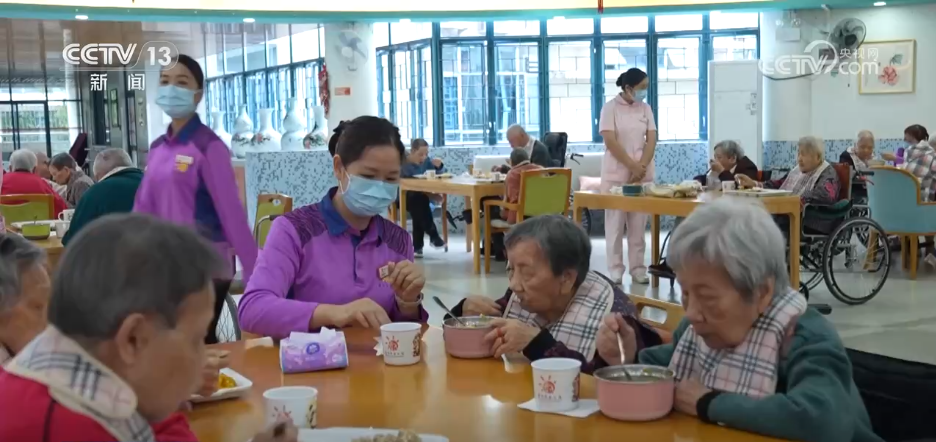
民生一件事 | 用制度保障“老有所依” 让养老照护更有温度
Yang Shi Wang· 2025-10-28 03:10
Core Viewpoint - The increasing demand for care services for elderly individuals with cognitive impairments in China is addressed by the newly implemented national standard for care institutions, which aims to provide standardized operational guidance for the care of these individuals [1][3]. Group 1: Standardization and Guidelines - The "Guidelines for the Care of Elderly Individuals with Cognitive Impairments" were developed by the State Administration for Market Regulation and the Ministry of Civil Affairs, providing a comprehensive "standardized operation manual" for care institutions [3]. - The standard outlines principles for service provision, including service assurance, content, risk management, and personnel configuration, addressing the previously inconsistent understanding and operational levels among care institutions [3]. Group 2: Care System and Integration - The care system aims to extend services beyond institutional walls to communities and families, creating a comprehensive service system that includes education, assessment, early intervention, institutional care, community extension, and family support [5]. - The new standard emphasizes the need for care institutions to focus not only on basic living needs but also on psychological, social, and spiritual needs, promoting independence and participation among the elderly [6]. Group 3: Care Principles - Key principles highlighted in the standard include respect and understanding, integrated care, support for independence, environmental friendliness, and safety protection, with "support for independence" and "integrated care" being the two core highlights [8]. - The principle of "support for independence" encourages the recognition and utilization of the existing abilities of elderly individuals, allowing them to perform tasks within a safe range, thereby maintaining their dignity and autonomy [10]. Group 4: Non-Pharmacological Interventions - The standard introduces "intervention for psychological and behavioral symptoms" as a core service content, prioritizing non-pharmacological interventions to address the emotional needs of elderly individuals [13]. - By employing non-pharmacological interventions, care providers can effectively soothe the emotions of elderly individuals, reduce suffering and oppositional behaviors, and significantly lower the use of psychotropic medications, ultimately enhancing their quality of life [13].