主动健康管理

Search documents
探索中国式健康管理新路径 访北大医疗董事长、平安健康险董事长兼首席执行官朱友刚
Jin Rong Shi Bao· 2026-02-04 06:39
Core Viewpoint - The article discusses the transformation of the healthcare model from a disease treatment-centric approach to a more diversified health management system, highlighting the role of private healthcare providers like Peking University Health in this shift, particularly through the integration of insurance capital and medical services [1][2]. Group 1: Advantages and Challenges of the "Insurance + Healthcare" Model - The core advantages of the "Insurance + Healthcare" model include the potential to create a closed loop of "payment + service," leveraging over 250 million personal financial customers of Ping An to design proactive health management solutions [2][3]. - Another advantage is the long-term strategic patience for investment, allowing for necessary infrastructure and innovation without the pressure of short-term financial returns [2]. - The main challenge faced by Peking University Health is the cultural integration and capability reconstruction between the rigorous medical professionalism of Peking University and the market-driven, efficiency-oriented culture of Ping An [2][3]. Group 2: Strategic Focus Areas - Peking University Health is focusing on a comprehensive health management approach that spans the entire lifecycle of health, emphasizing proactive health management, rehabilitation, and corporate health services [3][4]. - The organization aims to transform traditional health check-ups into health management centers, providing customized health screening packages and continuous health management services [4][5]. - In the medical aspect, Peking University Health is implementing a multidisciplinary team (MDT) approach to ensure comprehensive and precise treatment for patients, particularly in oncology [5][6]. Group 3: Future Strategic Vision - The long-term vision of Peking University Health is to become a model akin to a combination of West China Hospital and Kaiser Permanente, focusing on top-tier medical technology and an integrated healthcare and insurance service model [7][8]. - The organization has outlined five core strategic projects for the next five years, including a comprehensive medical project targeting high-mortality diseases, a family health project, a rehabilitation care project, an AI and digital intelligence project, and a medical-insurance collaboration project [8][9][10].

融合“北大底蕴”与“平安特色” 探索中国式健康管理新路径
Jin Rong Shi Bao· 2026-02-04 05:32
Core Insights - The article discusses the transformation of the healthcare model from a disease treatment-centric approach to a more diversified health management system, highlighting the role of private healthcare providers as essential complements to public healthcare systems [1] - Peking University Health is positioned as a pioneer in this field, leveraging its academic heritage and financial resources from Ping An Group to innovate and reshape the industry landscape [1][2] Group 1: Advantages and Challenges - The core advantages of the "insurance + healthcare" model include the potential to create a closed loop of "payment + service" and the ability to make long-term investments in healthcare [2] - The main challenge faced by Peking University Health is the integration of two distinct cultures: the rigorous medical professionalism of Peking University and the market-driven, efficiency-oriented culture of Ping An [2][3] Group 2: Strategic Integration - Peking University Health aims to clarify the strategic roles of both cultural elements, ensuring that the academic foundation guarantees high-quality medical services while the financial backing drives innovation [3] - The integration of Ping An's extensive customer base and technological capabilities is expected to enhance patient services and operational efficiency [3] Group 3: Shift in Healthcare Demand - There is a significant shift in public demand from disease treatment to health enhancement and quality of life, creating opportunities for private healthcare to fill service gaps left by traditional public systems [4][5] - Peking University Health is focusing on a comprehensive health service model that encompasses the entire lifecycle of health, emphasizing proactive health management and rehabilitation [4][5] Group 4: Future Vision and Strategic Planning - Peking University Health envisions becoming a model that combines the strengths of top-tier hospitals and integrated healthcare systems, aiming for excellence in medical technology and a seamless integration of insurance and healthcare services [7][8] - The company has outlined five core strategic initiatives for the next five years, including a comprehensive medical project, a family health initiative, a rehabilitation care project, an AI-driven data intelligence project, and a collaborative insurance model [8][9]
献良策、谋发展!省政协委员抵长报到
Xin Lang Cai Jing· 2026-02-01 08:58
Group 1 - The Hunan Provincial Political Consultative Conference is underway, with members arriving to discuss proposals focused on local development and public health [1] - Member Li Hongmei emphasizes the need to accelerate the construction of the Yongqing Expressway (from Jianghua to Lianshan) to facilitate communication for enterprises within and outside the province [1] - Member Liu Dongbo highlights the importance of non-drug interventions for public health, advocating for a shift towards proactive health management through exercise prescriptions and nutritional guidance combined with digital healthcare [1]
平安健康险2025年赔付79亿元,院外药品费用持续攀升
Xin Hua Cai Jing· 2026-01-30 08:44
Core Insights - Ping An Health Insurance reported a total of 6.22 million claims and 1.71 million claimants in 2025, with a total payout amounting to 7.9 billion yuan, averaging 4 claims per person and a maximum payout of 4.56 million yuan per client [1] - The report highlights a significant increase in the use of special drugs, with a 105% rise in usage instances and a 50% increase in total billing amounts for special drugs compared to the previous year [1][2] - The report indicates a growing trend in cross-province medical treatment, with 8% of clients seeking treatment outside their home province, reflecting an ongoing improvement in nationwide network collaboration and seamless claims processing [2] Claims and Payouts - In 2025, the average claim per client was 4 times, with the highest individual payout reaching 4.56 million yuan [1] - The fastest claim processing time was recorded at just 3 seconds, while the longest payout period extended over 17 years, demonstrating the company's commitment to long-term client support [1] - The age range for claimants spanned from 13 days to 103 years, indicating comprehensive coverage throughout the client's life cycle [1] Cancer Care Services - By the end of 2025, Ping An Health Insurance's cancer care services had served 396,000 individuals, with 14,000 receiving precise medical guidance and 350,000 accessing medical services [1] - The maximum duration of cancer care services recorded was 1,460 days, with the highest number of special drug usages per individual reaching 46 times and the maximum single special drug payout amounting to 1.29 million yuan [1] Industry Trends - The report identifies three major trends in health risk management, emphasizing the shift from price competition to value competition within the industry [2] - Ping An Health Insurance is advancing the development of a systematic health ecosystem, transitioning from passive claims to proactive health management through a digital health management platform [2]

门急诊人次突破320万 北大医疗“健-医-康”闭环释放增长动能
Zhong Zheng Wang· 2026-01-24 07:16
Core Insights - The core viewpoint of the articles highlights the robust growth and innovative strategies of Peking University Health Group, projecting significant increases in non-insurance revenue and patient satisfaction by 2025 [1][2] Group 1: Financial Performance - By 2025, Peking University Health Group anticipates a 35% growth in non-insurance revenue, with outpatient and emergency visits exceeding 3.2 million [1] - The volume of tertiary and quaternary surgeries is expected to increase by 20% year-on-year [1] - Non-examination business revenue in the health management center is projected to grow by 7% [2] Group 2: Patient Satisfaction - Outpatient patient satisfaction is reported at 90.32%, while inpatient satisfaction stands at 95.34% [2] - The group achieved historical best records in both outpatient and inpatient satisfaction [1] Group 3: Innovative Service Model - The company has developed a "Health-Medical-Rehabilitation" service model to address long-standing issues in the healthcare sector, promoting proactive health management [1] - The "medical-insurance collaboration" model integrates insurance deeply into the healthcare service system, enhancing quality, service, and efficiency [2] Group 4: Operational Efficiency - The outpatient referral rate from health check-ups ranges from 10% to 30%, while the outpatient revisit rate is between 20% and 35% [2] - Bed occupancy rates at Peking International Hospital reached 98%, and Peking Rehabilitation Hospital achieved a remarkable 115% occupancy [2]
中国畜牧业协会宠物分会刘晓霞:“精致养宠”时代 宠物看病、出行为何仍是最大痛点?
Jing Ji Guan Cha Wang· 2026-01-15 09:47
Core Insights - The Chinese pet economy is experiencing a significant transformation, evolving from a simple interest to a mainstream lifestyle, with a shift from "dog and cat dominance" to a more diversified market structure that includes various pets [1][3] Group 1: Market Trends - By 2025, the number of urban dogs and cats in China is projected to reach 126 million, with a year-on-year growth of 1.8% [1] - The urban pet consumption market is expected to reach 312.6 billion yuan in 2025, reflecting a 4.1% increase from 2024 [5] - The market is transitioning from a phase of quantity growth to a focus on quality, with an emphasis on "refined pet care" [5][6] Group 2: Consumer Behavior - Pet owners are increasingly viewing their pets as family members and emotional companions, leading to a rise in personalized pet care and unique pet ownership experiences [4] - The demand for non-traditional pets, such as reptiles and aquatic animals, is growing, indicating a shift towards individual expression and community identity among younger pet owners [4] Group 3: Challenges in Services - There are significant service gaps in the pet care industry, particularly in areas such as veterinary care and pet travel, with 48.1% of pet owners citing high medical costs and 28.9% facing difficulties in traveling with pets [2][7] - The pet insurance market is facing challenges, with issues related to claims processing and high payout rates leading to a "win-win" situation for neither pet owners nor insurance companies [9][11] Group 4: Future Directions - The pet industry must address the mismatch between rapidly evolving consumer expectations and the current level of service provision, particularly in pet travel and healthcare [7][8] - To improve the pet insurance landscape, the industry needs to innovate products and establish a transparent medical data system to enhance trust and streamline claims processes [12]
蚂蚁阿福张俊杰:通过AI让专业医疗健康服务更普惠
Xin Jing Bao· 2025-12-31 04:18
Core Insights - The article discusses the launch and growth of Ant Group's AI health application, Antifuku, highlighting the shift in user demand from "treatment" to "health management" as a result of rising health awareness and the "Healthy China" strategy [1][2][4] Group 1: Market Trends and User Insights - Antifuku has achieved over 15 million monthly active users within six months of launch, indicating a strong market interest in proactive health management [2] - The user base shows a significant presence from lower-tier cities, with 55% of users coming from these areas, suggesting a growing demand for accessible health services in regions with fewer medical resources [2] - The application has evolved from a focus on medical needs to addressing everyday health inquiries, reflecting a broader societal trend towards proactive health management [4][5] Group 2: Product Development and Strategy - Ant Group's health division has been integrated into its strategic pillars alongside digital payment and finance, emphasizing the importance of health services in its overall business model [6] - The company plans to enhance Antifuku's capabilities by focusing on personalization, professionalism, and automation, aiming to provide tailored health advice through partnerships with smart device manufacturers [7] - Antifuku currently does not consider commercialization, ensuring that its health advice remains free from advertising influences, which is crucial for maintaining user trust [8] Group 3: AI and Healthcare Collaboration - The application aims to assist rather than replace human doctors, helping to alleviate the burden of routine inquiries and allowing healthcare professionals to focus on more complex cases [9][10] - Antifuku has established collaborations with over 500 medical professionals, including six academicians, to enhance the quality of its AI-driven health consultations [10] - The company emphasizes the importance of user experience, incorporating features that cater to various demographics, including older users, to ensure accessibility and engagement [9]
从“口号”到“落地”:华为擎云六大解决方案和标杆案例重构主动健康新范式
Huan Qiu Wang· 2025-12-30 03:05
Core Viewpoint - The article emphasizes the urgent need for a proactive health management system in response to the challenges posed by an aging population, the rise of chronic diseases among younger individuals, and the imbalance in medical resource supply and demand. The traditional reactive medical model is no longer sustainable, highlighting the importance of continuous and dynamic health data management [1][2]. Group 1: Industry Challenges and Opportunities - The current bottleneck in health management is the lack of a continuous, dynamic, and intervenable data loop, with traditional health check-ups being insufficient to capture subtle health changes [2]. - The aging population and the increasing prevalence of chronic diseases necessitate a shift from a disease-centered approach to a more comprehensive health management strategy [1][2]. Group 2: Solutions and Innovations - Huawei's Qingtian Cloud has introduced three "universal" solutions to address the core pain points in health management, creating a seamless health network that covers home, community, institutions, and workplaces [2]. - The Shandong Xinyue Health Technology Co., Ltd. has developed a smart health management solution using Huawei's wearable devices, which continuously collects vital signs and integrates them with static medical data to create a complete "digital life portrait" [2]. - The Hebei Zhixing Health Management Service Co., Ltd. has implemented a community health management solution that allows users to monitor key health indicators through Huawei's wearable devices, enhancing health literacy and reducing the burden on hospitals [3]. Group 3: Vertical Scene Development - Huawei's Qingtian Cloud has successfully implemented a "stroke risk monitoring management" system in collaboration with Nantong University Affiliated Hospital, utilizing high-precision monitoring and AI algorithms for emergency responses [5]. - The "general practitioner health management" initiative at Central South University Xiangya Third Hospital extends health management to family units, promoting proactive health maintenance [5]. - The "healthy lifestyle management" program at the Chinese Academy of Medical Sciences Fuwai Hospital focuses on personalized and intelligent health interventions based on evidence-based medicine [5]. Group 4: Industry Standards and Future Directions - The summit highlighted the importance of establishing industry standards, such as the "smart follow-up platform wearable data access standard," which has gained recognition and aims to bridge the gap between consumer-grade hardware and medical applications [7]. - The digital transformation in health management is deemed essential for improving resource accessibility and chronic disease management efficiency, with Huawei's Qingtian Cloud facilitating a shift from experience-driven to data-driven approaches [7]. - The future vision includes building a comprehensive proactive health ecosystem that empowers individuals to take responsibility for their health, supported by open ecosystems and standardized interfaces [7].

华为官宣六大健康管理解决方案,让主动健康照进现实
Sou Hu Cai Jing· 2025-12-26 13:46
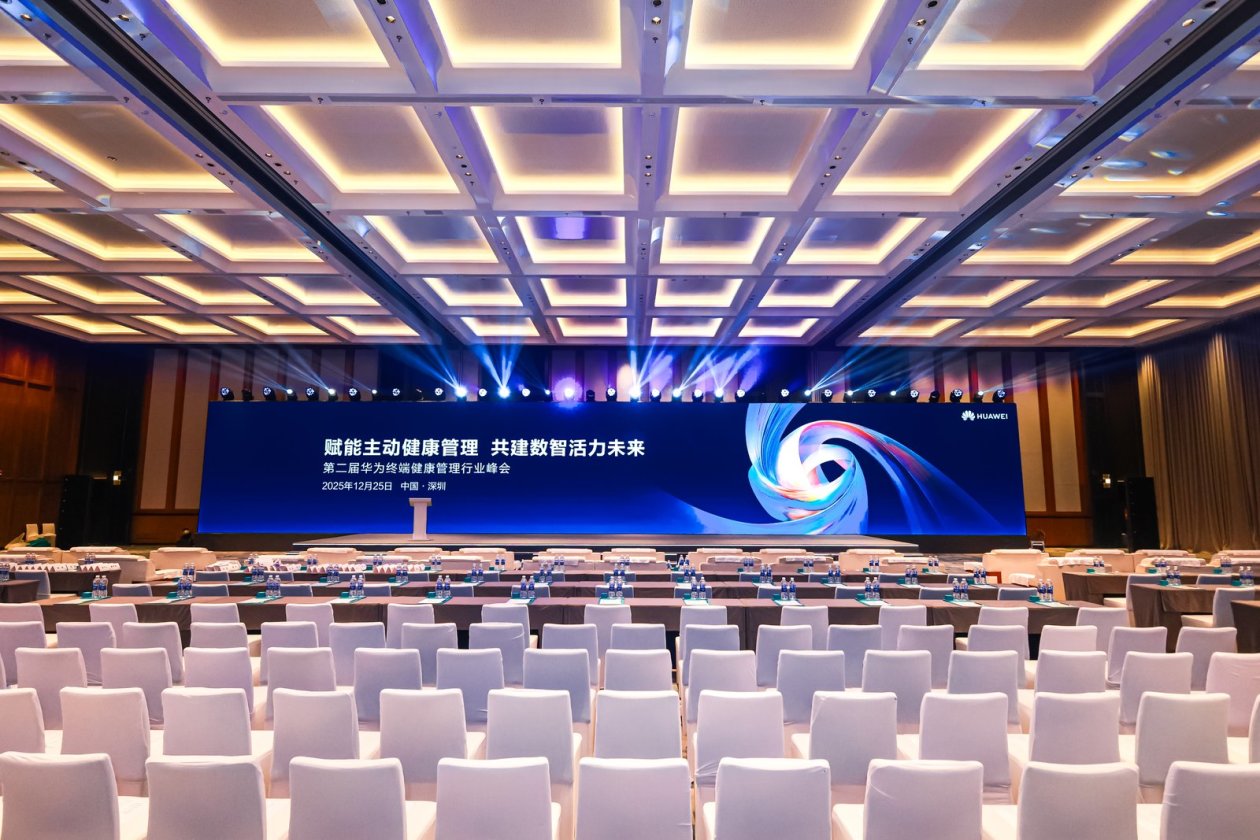
Core Viewpoint - The implementation of a health-first development strategy is becoming a practical reality rather than just a policy blueprint, addressing the challenges of an aging population and the rising incidence of chronic diseases [1] Group 1: Industry Challenges - The healthcare industry faces difficulties in executing a comprehensive service system for "prevention, treatment, rehabilitation, and management," particularly in bridging the gap between in-hospital treatment and out-of-hospital management [1][3] - There is a pressing need to transform the concept of "proactive health" into actionable and replicable practices, addressing the issue of data silos and external monitoring gaps [1] Group 2: Solutions Presented - Huawei Cloud showcased six major health management solutions and benchmark cases at the second Huawei Terminal Health Management Industry Summit, marking a significant step towards practical implementation of proactive health management [3] - The "Qingyun Smart Medical - Smart All-domain Health Management Solution," developed in collaboration with Shandong Xinyue Health Technology Co., aims to eliminate data discontinuity in traditional health management by integrating dynamic and static health data [5] - The "Qingyun Smart Medical - Community Health Management Solution," developed with Beizhi Health Management Service Co., addresses the scarcity of resources in grassroots healthcare by using wearable devices for real-time monitoring of key health indicators [6] Group 3: Impact and Results - The solutions have been successfully implemented in various settings, including over a hundred community health management centers, significantly alleviating pressure on grassroots medical resources and reducing long-term healthcare burdens [6] - The "Qingyun Smart Medical - Digital Health Management New Scene One-stop Solution," developed with Ping An Good Doctor, provides comprehensive services from proactive alerts to periodic reports, improving chronic disease management [9] Group 4: Future Directions - The establishment of the "Smart Follow-up Platform Wearable Data Access Standard," led by Peking Union Medical College Hospital in collaboration with Huawei and China Mobile, has received industry recognition and aims to break data application bottlenecks [11] - Huawei Cloud has partnered with over 150 medical research institutions, serving more than 100 hospitals and 300 community health service centers, demonstrating its commitment to leveraging technology in healthcare [13]
中国健康消费品市场风向标变了,更“挑剔”的顾客和不走寻常路的跨国企业
Di Yi Cai Jing· 2025-12-26 02:30
Core Insights - The Chinese health consumption market is undergoing a significant structural transformation, with consumers shifting from a traditional "seek medical help only when sick" approach to proactive health management throughout their life cycle [1] - This shift is driven by increased public health risk awareness, enhanced consumer health cognition, and factors such as digital technology proliferation, policy guidance, and demographic changes [1] - Companies in the health consumption sector must quickly identify and address the pain points faced by Chinese consumers in proactive health management, which requires keen insight and systematic innovation [1] Industry Trends - Bayer's Health Consumer Division is breaking away from the conventional "global formula introduction" and "mature model replication" strategies, focusing instead on localized solutions that meet the unique demands of Chinese consumers [2] - In 2025, Bayer launched innovative health solutions tailored to local needs, enhancing its product portfolio and contributing to the high-quality development of the Chinese health consumption market [2] Health Issues Addressed - Allergic rhinitis is a growing public health issue in China, with self-reported cases increasing by nearly 100 million from 2005 to 2011 [5] - The prevalence of allergic rhinitis among children rose from 14.81% (2001-2011) to 19.75% (2012-2021), indicating a concerning trend [5] - Bayer is focusing on allergic conditions, launching new products like the mometasone nasal spray in 2025 to better meet the needs of patients [5] Product Innovations - Bayer introduced the Daxin® lactulose oral solution in collaboration with JD Health to address chronic constipation, which affects approximately 140 million adults in China [6][7] - The company also launched the upgraded Bepanthen B5 cream for babies, designed to protect sensitive skin, showcasing a shift from global formulas to products specifically developed for Chinese consumers [7] Collaborative Innovation - Bayer is establishing a "co-creation platform" to foster open innovation, moving away from traditional closed R&D models [10] - The Bayer China Innovation Cooperation Center, launched in October 2024, aims to integrate local research with global resources to accelerate the transformation of scientific advancements into consumer health solutions [10][12] Market Strategy - Bayer's strategy has evolved from merely importing foreign products to co-creating solutions based on Chinese consumer needs, as seen in products like One A Day fish oil and Alevin children's calcium [13] - The company emphasizes a proactive approach to health management, focusing on prevention and scientific intervention rather than just treatment [14] Global Impact - Bayer's innovations in China are not only enhancing local health management but are also being recognized globally, with successful products entering the Asia-Pacific market and beyond [17][18] - The company's commitment to leveraging local insights for global competitiveness highlights China's role as a source of innovation in the health consumption sector [18][19]