音乐行业分众化

Search documents
AI“入侵”、“汽水音乐”崛起:2025音乐行业“变天了”?
3 6 Ke· 2026-02-06 02:38
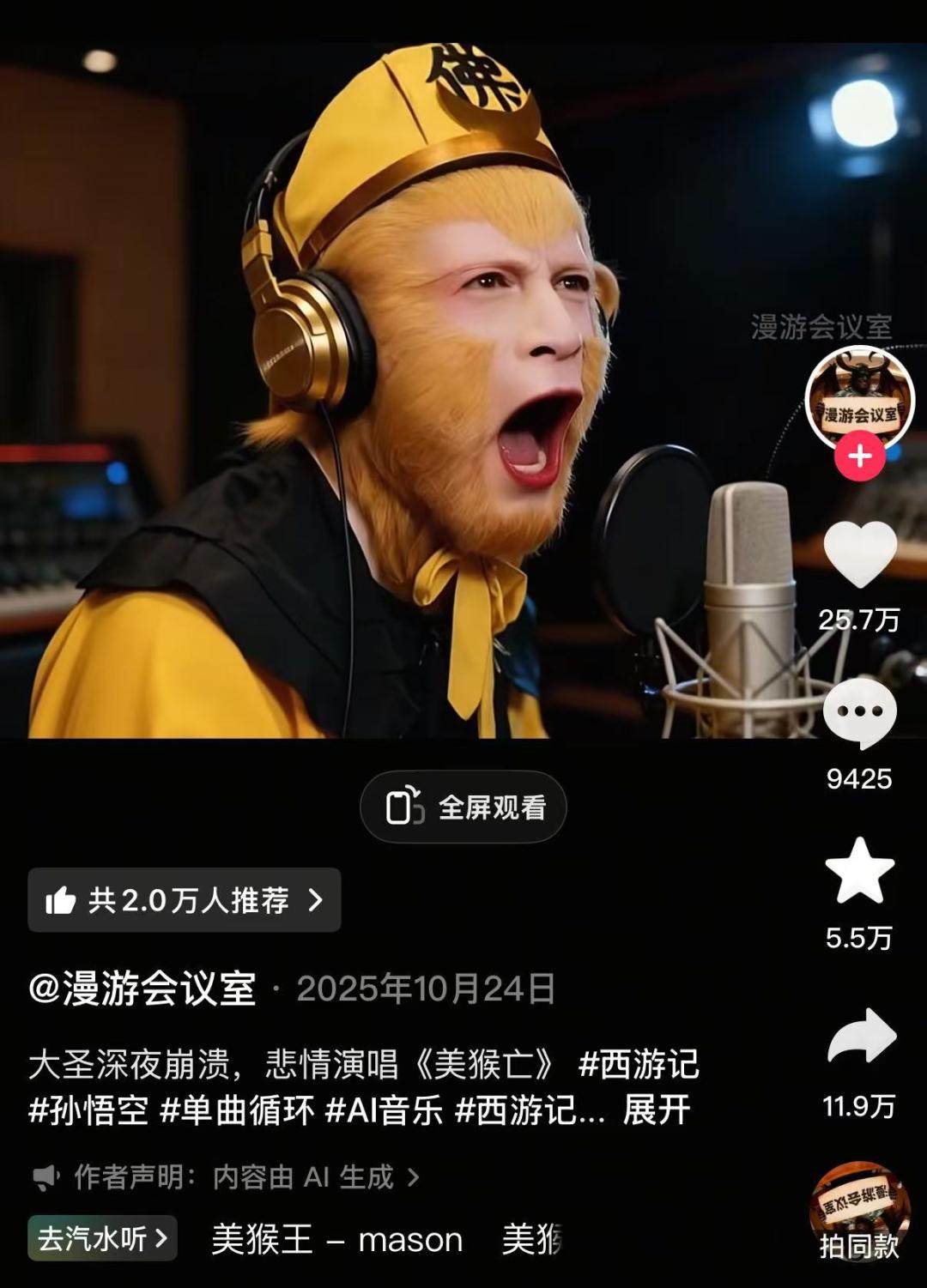
Core Insights - The music industry is undergoing significant transformation by 2025, driven by the integration of AI technology into various aspects of music creation, performance, and consumption [1][2] - AI-generated music has become mainstream, with notable examples such as the AI singer "Daitoujin" gaining popularity and being mistaken for a real artist [10][11] - The live performance market is experiencing a surge in cross-genre collaborations, with actors and idols making their music debut, enhancing audience engagement [16][18] AI Music Integration - By 2025, AI music has evolved from a niche topic to a central element in the music industry, influencing creation, distribution, and audience interaction [1][2] - AI-generated songs, characterized as "AI canned music," are produced at scale, leading to a new wave of content that blurs the lines between real and virtual artists [6][11] - Major platforms like Tencent and NetEase have launched AI-assisted music products, indicating a shift towards AI as a content producer rather than just a tool [12] Live Performance Market - The live performance sector in 2025 is marked by a trend of "cross-border debuts," where actors and celebrities perform music, creating a unique blend of entertainment [16][20] - The number of commercial performances reached 640,400, with a box office revenue of 61.655 billion yuan, reflecting a growth of 6.39% from the previous year [20] - This trend not only attracts large audiences but also enhances the overall experience by combining music with emotional connections and event-like atmospheres [20] Music Variety Shows - The music variety show landscape in 2025 is characterized by a focus on the "talent show" model, which continues to evolve and adapt to audience preferences [21][23] - Despite the popularity of talent shows, there is a growing demand for innovative and emotionally resonant content, leading to a more complex viewing experience [23] - The evolution of talent shows reflects the industry's struggle to capture attention in a fragmented entertainment landscape, emphasizing the need for engaging narratives and audience participation [23]