
AI音乐创作

Search documents
腾讯音乐-SW(01698):——腾讯音乐-SW(1698.HK)2025年业绩点评:付费用户增长韧性较强,关注AI和竞争的挑战与机遇
Guohai Securities· 2026-03-20 10:07
Investment Rating - The investment rating for the company is upgraded to "Buy" [1] Core Insights - The report highlights strong resilience in paid user growth, with a focus on challenges and opportunities related to AI and competition [3] - The company reported a revenue of 86.4 billion yuan for Q4 2025, representing a year-over-year increase of 15.9%, and a net profit of 22.0 billion yuan, up 12.6% year-over-year [6][7] - For the full year 2025, the company achieved a revenue of 329.0 billion yuan, a 15.8% increase year-over-year, and a net profit of 110.6 billion yuan, which is a significant increase of 66.4% year-over-year [8] Financial Performance - In Q4 2025, the company's revenue was 86.4 billion yuan, with a gross margin of 44.7%, reflecting a year-over-year increase of 1.1 percentage points [7] - The full-year gross margin for 2025 was 44.2%, up 1.9 percentage points year-over-year, with a non-GAAP net profit margin of 30.2%, an increase of 1.6 percentage points year-over-year [8] - The company reported other income of 26.3 billion yuan in 2025, primarily from an investment gain of 23.7 billion yuan from acquiring a 2% stake in Universal Music Group [8] Business Segments - Online music service revenue for 2025 showed consistent growth, with quarterly revenues of 58.0, 68.5, 69.7, and 71.0 billion yuan, reflecting year-over-year growth rates of 15.9%, 26.4%, 27.2%, and 21.7% respectively [8] - The social entertainment business revenue showed a decline, with quarterly revenues of 15.5, 15.9, 14.9, and 15.4 billion yuan, indicating a year-over-year decrease [8] User Metrics - The company experienced a strong increase in paid user numbers, with Q1 to Q4 2025 figures of 1.23, 1.24, 1.26, and 1.27 million users, representing year-over-year growth rates of 8%, 6%, 6%, and 5% respectively [10] - The average revenue per paying user (ARPPU) also increased, with values of 11.4, 11.7, 11.9, and 11.9 yuan for Q1 to Q4 2025, showing year-over-year growth rates of 8%, 9%, 10%, and 7% respectively [10] Future Projections - Revenue projections for 2026 to 2028 are estimated at 360.10 billion, 390.46 billion, and 415.46 billion yuan respectively, with corresponding net profit estimates of 93.79 billion, 102.36 billion, and 110.23 billion yuan [12][13] - The adjusted net profit for the same period is projected to be 103.76 billion, 112.08 billion, and 119.91 billion yuan, with adjusted P/E ratios of 11, 10, and 9 times [12][13]
腾讯音乐-SW(01698):SVIP释放音乐消费潜能,AI赋能音乐创作与消费
GUOTAI HAITONG SECURITIES· 2026-03-19 14:03
Investment Rating - The report maintains an "Accumulate" rating for Tencent Music [6] Core Insights - Tencent Music's SVIP user base has surpassed 20 million, with steady growth in average revenue per paid user, and accelerated release of IP value [3] - The company is transitioning from a music platform to a comprehensive sound entertainment empire, leveraging content IP, traffic advantages, and capital capabilities [34] Financial Summary - Total revenue projections for Tencent Music are as follows: - 2024A: 28,401 million RMB - 2025A: 32,902 million RMB - 2026E: 36,042 million RMB - 2027E: 39,023 million RMB - 2028E: 42,496 million RMB - Net profit projections are: - 2024A: 6,644 million RMB - 2025A: 11,056 million RMB - 2026E: 9,890 million RMB - 2027E: 10,780 million RMB - 2028E: 11,813 million RMB - Adjusted net profit projections are: - 2024A: 7,671 million RMB - 2025A: 9,588 million RMB - 2026E: 10,454 million RMB - 2027E: 11,322 million RMB - 2028E: 12,329 million RMB [5][34] Revenue Growth - In Q4 2025, Tencent Music achieved revenue of 86.4 billion RMB, representing a year-on-year increase of 15.9% - The gross margin was 44.7%, up by 1.1 percentage points year-on-year - Operating profit reached 28.4 billion RMB, a year-on-year increase of 17.9%, with an operating margin of 32.9% [34] User Metrics - The number of paid users reached 127 million, with a penetration rate of 24.1%, up by 1.3 percentage points quarter-on-quarter - The average revenue per paying user (ARPPU) was 11.9 RMB, showing a year-on-year increase of 7.2% [34][26] AI Empowerment - The company is enhancing music creation and user experience through AI, empowering over 150,000 musicians and more than 10 million users to improve their creative efficiency [34]
对谈ZaZaZsu咂咂苏:被王菲选中后,更相信音乐有自己的旅程
Xin Lang Cai Jing· 2026-02-20 05:14
Core Viewpoint - The band ZaZaZsu expresses joy and gratitude for Faye Wong's rendition of their song "You and I Experience a Moment," highlighting the ethereal quality of her performance and its impact on their original work [1][4]. Group 1: Song Background and Reception - "You and I Experience a Moment," originally titled "A Century of Rivers is Just You and I Experiencing a Moment," was created by the duo ZaZaZsu, formed in 2017 [4]. - The song gained significant recognition after being performed by Faye Wong at the Spring Festival Gala, achieving over 100,000 collections on major music platforms within three days [4]. - The band members, Ma Yi and Cheng Jinyuan, both from Peking University, emphasize their non-professional music backgrounds and their dedication to authentic expression in the independent music scene [4][6]. Group 2: Creative Process and Inspiration - The emotional foundation of "You and I Experience a Moment" is centered on themes of eternity and loneliness, rather than being a love song [6]. - The song's creation involved a unique process where the title was developed before the melody, showcasing a reverse writing approach [8][10]. - The band members reflect on their creative journey, noting that their writing process is iterative and often involves significant time for reflection and revision [12][14]. Group 3: Industry Insights and Future Outlook - The band acknowledges the challenges and opportunities presented by mainstream exposure, expressing a desire to remain true to their artistic vision despite external pressures [6][17]. - They discuss the potential impact of AI on music creation, asserting that genuine human expression will always resonate differently than algorithm-generated content [17][18]. - The duo encourages other independent musicians to persist in their creative endeavors, emphasizing the importance of authentic self-expression [17].


AI“入侵”、“汽水音乐”崛起:2025音乐行业“变天了”?
3 6 Ke· 2026-02-06 02:38
Core Insights - The music industry is undergoing significant transformation by 2025, driven by the integration of AI technology into various aspects of music creation, performance, and consumption [1][2] - AI-generated music has become mainstream, with notable examples such as the AI singer "Daitoujin" gaining popularity and being mistaken for a real artist [10][11] - The live performance market is experiencing a surge in cross-genre collaborations, with actors and idols making their music debut, enhancing audience engagement [16][18] AI Music Integration - By 2025, AI music has evolved from a niche topic to a central element in the music industry, influencing creation, distribution, and audience interaction [1][2] - AI-generated songs, characterized as "AI canned music," are produced at scale, leading to a new wave of content that blurs the lines between real and virtual artists [6][11] - Major platforms like Tencent and NetEase have launched AI-assisted music products, indicating a shift towards AI as a content producer rather than just a tool [12] Live Performance Market - The live performance sector in 2025 is marked by a trend of "cross-border debuts," where actors and celebrities perform music, creating a unique blend of entertainment [16][20] - The number of commercial performances reached 640,400, with a box office revenue of 61.655 billion yuan, reflecting a growth of 6.39% from the previous year [20] - This trend not only attracts large audiences but also enhances the overall experience by combining music with emotional connections and event-like atmospheres [20] Music Variety Shows - The music variety show landscape in 2025 is characterized by a focus on the "talent show" model, which continues to evolve and adapt to audience preferences [21][23] - Despite the popularity of talent shows, there is a growing demand for innovative and emotionally resonant content, leading to a more complex viewing experience [23] - The evolution of talent shows reflects the industry's struggle to capture attention in a fragmented entertainment landscape, emphasizing the need for engaging narratives and audience participation [23]
音乐界也有“通货膨胀”了
虎嗅APP· 2026-02-05 14:27
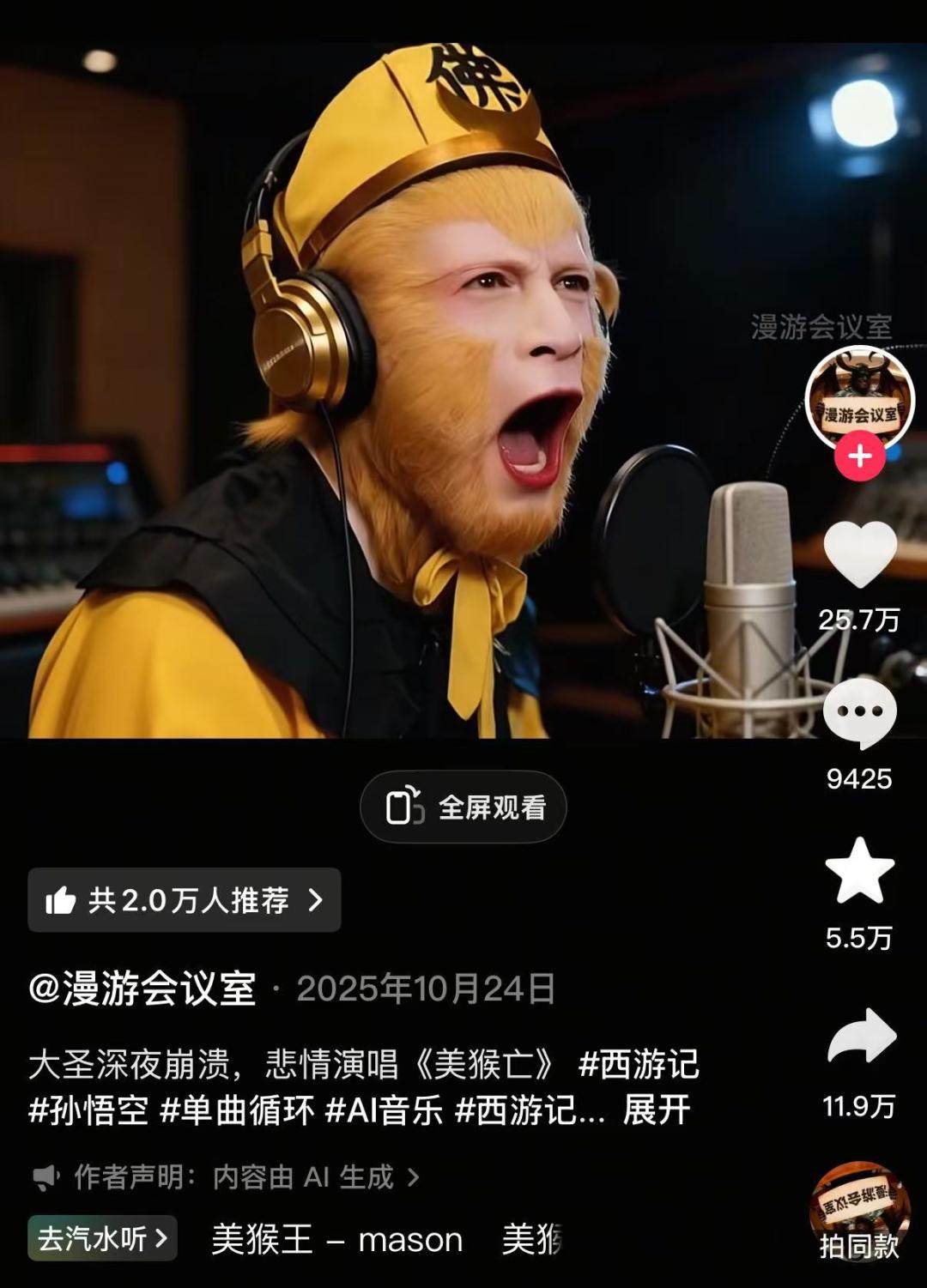
Core Viewpoint - The article discusses the impact of AI and platforms on the music industry, highlighting the phenomenon of "music inflation" where the number of songs vastly outnumbers listeners, leading to devaluation of music and income challenges for individual musicians [5][8]. Group 1: AI Music Production - As of the end of 2024, China's digital music library is expected to reach 263 million songs, with AI music platforms generating millions of songs monthly [5][7]. - The efficiency and low cost of AI music production have led to an oversupply of songs, resulting in a supply-demand imbalance in the music market [9][8]. - AI music creation relies on statistical patterns rather than emotional or artistic inspiration, producing music that aligns with popular trends rather than genuine creativity [12][15]. Group 2: Accessibility and Equality in Music Creation - The barriers to music creation have been significantly lowered, allowing anyone with basic tools to become a "composer," thus democratizing music production [16][18]. - This "artistic equality" benefits many small businesses and content creators who require functional music for various purposes without the need for expensive licensing [22]. Group 3: Economic Implications - The demand for "functional" music has led to a decrease in the fees paid for music production, as AI-generated music can replace traditional composers at a fraction of the cost [25][26]. - The competition in the music industry has intensified, with the cost of music production nearing zero, shifting the focus to gaining attention and streams rather than artistic merit [27][28]. Group 4: Attention Economy and Consumption Patterns - The rise of AI music has transformed music consumption from enjoying full songs to consuming short snippets, leading to a phenomenon where songs become mere background material for other media [32][34]. - This shift has resulted in a loss of collective cultural memory, as listeners may remember catchy snippets but forget the artists or full songs [36][38]. Group 5: Algorithmic Influence on Music - AI music and platform algorithms create a self-reinforcing system where AI-generated content fuels algorithmic recommendations, leading to a homogenization of music [41][44]. - The success of music now heavily depends on its alignment with algorithmic preferences, sidelining traditional evaluation methods like radio play and music reviews [45].

音乐行业:2026抖音旋律营销趋势白皮书抖音旋律音领新声
巨量引擎· 2026-01-31 09:37
Group 1: Market Trends and Insights - Melodies are becoming a key element in defining consumer emotions and lifestyles, reflecting a growing trend towards "slow living" and nostalgia[3] - 60% of Millennials and Gen Z users are accustomed to listening to songs in non-native languages, indicating a shift towards global music consumption[35] - The emotional resonance of melodies can enhance dopamine levels by up to 9%, similar to the pleasure derived from food or surprise[31] Group 2: Marketing Opportunities - Brands can leverage melodies to create emotional connections and enhance consumer engagement, transforming music from background noise to a central marketing theme[8] - The report identifies seven types of popular melodies that resonate with different consumer segments, providing brands with actionable insights for targeted marketing strategies[166] - Short videos with catchy melodies can increase engagement and interaction rates, with music significantly impacting viewer retention in the first three seconds[42] Group 3: Consumer Behavior - Consumers aged 18-40 are increasingly seeking emotional comfort through music, prioritizing relaxation and personal well-being in their daily lives[226] - The rise of AI in music creation is lowering barriers for content production, allowing for rapid and diverse music generation that aligns with consumer preferences[146] - The integration of melodies into brand narratives can facilitate deeper connections with consumers, enhancing brand loyalty and recognition[57]
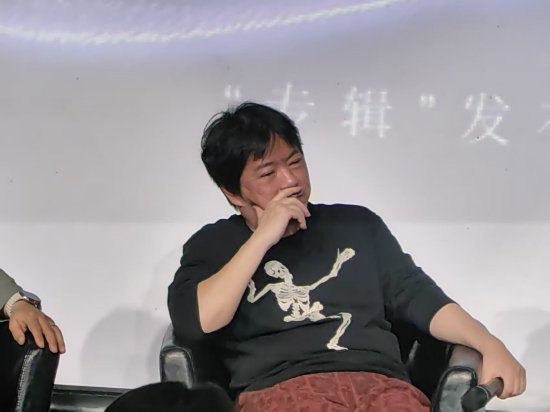
高晓松直言“AI音乐追不上人类”,昆仑万维周亚辉:他不服,但又很矛盾
Xin Lang Cai Jing· 2026-01-28 09:03
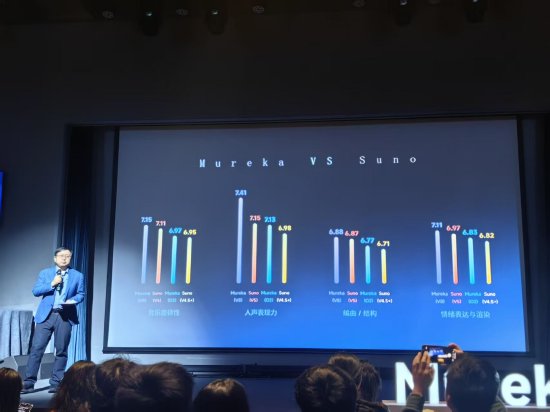
Core Insights - Kunlun Wanwei has launched the Mureka V8 music model, which surpasses the capabilities of the well-known AI music creation platform Suno in areas such as melody, vocal expressiveness, arrangement/structure, and emotional expression [2][6] Group 1: AI Music Model Development - The Mureka V8 model represents a significant advancement in AI music creation, with claims of a 10 to 100 times improvement in quality compared to earlier versions like V1.0 and V6.0 [3][7] - The chairman of Kunlun Wanwei, Zhou Yahui, expressed confidence that the music industry will undergo substantial changes due to the capabilities of the V8 model [3][7] Group 2: Industry Perspectives - Renowned musician Gao Xiaosong shared his views on AI's impact on the music industry, emphasizing that while he does not fear being surpassed by AI, he acknowledges the commercialization of music has led to a distortion of artistic values [2][6] - Gao Xiaosong highlighted the trend in the music industry where albums may contain a majority of mediocre tracks, with only a few standout songs, reflecting concerns over the commercialization of music [2][6]

昆仑万维发布Mureka V8音乐大模型,多维性能超Suno
Xin Lang Cai Jing· 2026-01-28 08:00
Core Insights - Kunlun Wanwei has launched the Mureka V8 music model, which reportedly surpasses the capabilities of Suno in terms of melody, vocal expressiveness, arrangement/structure, and emotional expression and rendering [2][4] - The company has initiated the internal testing of the Mureka Studio tool, allowing musicians and music enthusiasts to create music using the AI model [2][4] - The Mureka Studio tool features capabilities such as single-track survival, local editing, and vocal accompaniment generation [2][4]
洗脑一整年的网红神曲,今年能不能放过我
3 6 Ke· 2026-01-06 01:41
Core Insights - The article critiques the current state of the music industry, particularly the prevalence of "high-ranking god songs" that are catchy but lack depth, comparing them to unhealthy industrial sugar [1][3] - It emphasizes the need for listeners to seek recommendations from individuals with musical taste rather than relying on algorithm-driven platforms, which can lead to a homogenized musical experience [1][3] - The impact of AI on music creation is highlighted as a significant variable for 2025, with AI beginning to influence songwriting and production processes [3][12] Group 1: Current Music Trends - The article describes the current music landscape as filled with songs that are easy to listen to but ultimately unhealthy for the listener's musical palate, likening them to "industrial sugar" [1][3] - It notes that many established artists are focusing on nostalgia and past hits rather than new creative endeavors, leading to a stagnation in original music [4][6] - Newer artists struggle to gain visibility due to algorithmic biases favoring more mainstream, easily digestible music, often referred to as "god songs" [8][9] Group 2: The Role of AI in Music - AI is increasingly becoming a part of music creation, with its ability to produce various versions of songs quickly, which aligns with market demands for efficiency [19][20] - The article points out that while AI excels in remixing and producing music, it has yet to deliver groundbreaking original melodies comparable to human creativity [17][22] - Concerns are raised about the potential for AI to overshadow human musicians, particularly as the industry shifts towards algorithm-driven content [12][19] Group 3: Future of Music Creation - The article suggests that the future of music will likely see a blend of AI-generated content and human creativity, with a warning against the dangers of artists conforming to algorithmic standards [20][24] - It expresses hope for a resurgence of authentic human expression in music, contrasting the sterile perfection of AI with the unique imperfections of human-created art [22][24] - The need for a balance between commercial viability and artistic integrity is emphasized, urging artists to resist the temptation to create solely for algorithmic approval [24]

音乐创作不能因AI而放弃深度思考
Xin Lang Cai Jing· 2025-12-30 20:11
Core Viewpoint - The emergence of AI technology in music creation has led to increased efficiency but raises concerns about copyright issues, creative alienation, and the devaluation of artistic value, necessitating a balance between innovation and regulation to preserve the essence of art [1][6]. Group 1: Impact of AI on Music Creation - AI technology enables the rapid generation of music, with over 50,000 AI-generated tracks added daily on a music streaming platform, yet 97% of listeners struggle to distinguish between AI and human-created music [1][2]. - The current copyright system, designed around human creators, is disrupted by AI's reliance on existing works for algorithm training, leading to potential infringement of original creators' rights [2][3]. - AI-generated music often lacks the emotional depth and unique creativity that human composers bring, resulting in works that may be technically proficient but lack soul and individuality [3][4]. Group 2: Challenges and Concerns - The homogenization of music aesthetics is a significant issue, as AI-generated works tend to follow formulaic patterns, reducing diversity in music creation, with a reported 40% similarity rate in melodies generated by AI [4][5]. - The reliance on AI tools for music creation risks diminishing human creativity and critical thinking, potentially leading to a cycle of "AI generating AI" [4][5]. - Industry professionals advocate for a balanced approach that includes a regulatory framework addressing copyright ownership, data authorization, and revenue distribution, alongside a commitment to maintaining artistic integrity [5][6]. Group 3: Future Directions - Collaboration among governments, industry associations, AI platforms, and creators is essential to establish norms that protect artistic creation while leveraging AI's capabilities [6]. - AI should be viewed as a tool to enhance creativity rather than a replacement for human artists, encouraging creators to maintain their unique artistic voices while utilizing AI for efficiency [6].