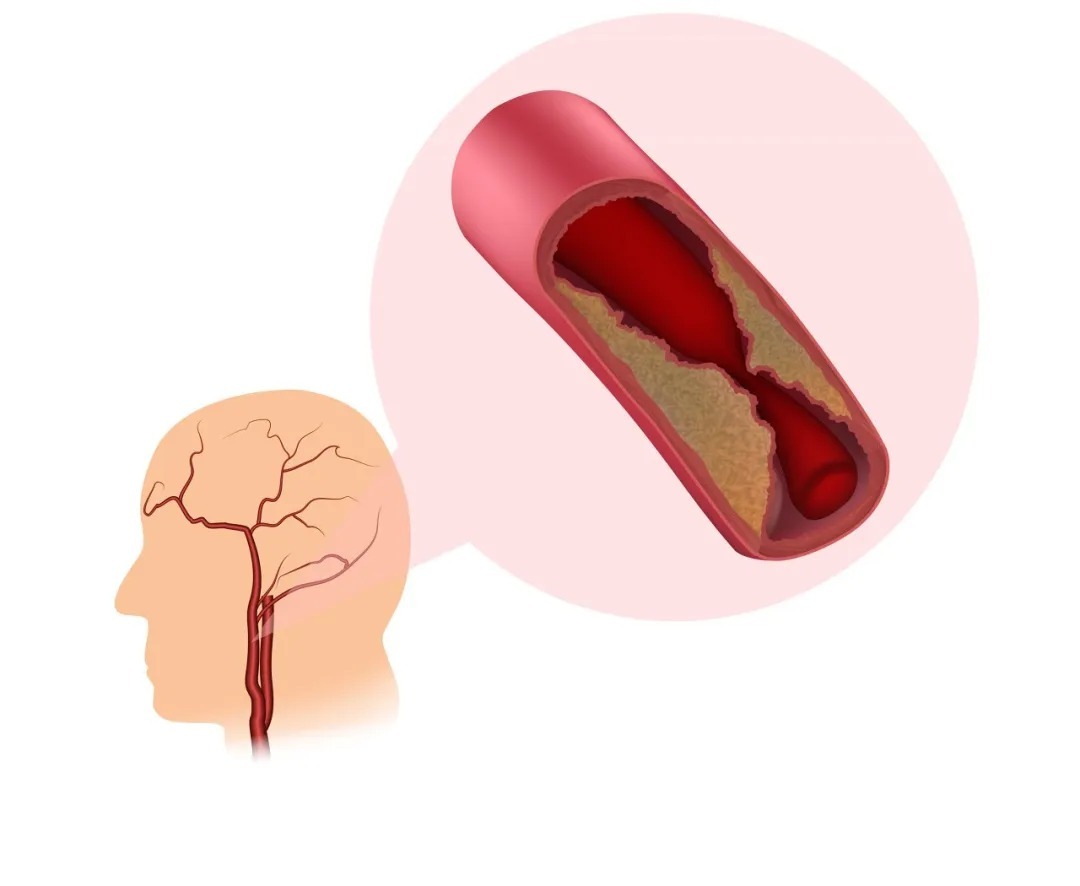
颈动脉斑块

Search documents
筑起四道防线 远离颈动脉斑块
Xin Lang Cai Jing· 2026-01-19 19:14
Core Viewpoint - The prevalence of carotid artery plaques is increasing among citizens due to the popularity of health check-ups, and early detection and intervention are crucial for maintaining cerebrovascular health [1][2]. Group 1: Health Risks and Causes - Carotid artery plaques are becoming a common finding in health check-ups, with factors such as chronic stress, poor sleep, irregular diet, and lack of exercise accelerating the process of atherosclerosis [2]. - The formation of plaques is a slow and silent process, particularly affecting individuals with hypertension, hyperlipidemia, hyperglycemia, and those with a family history of cardiovascular diseases [2]. Group 2: Preventive Measures - Four practical recommendations are provided to prevent plaque formation: 1. Dietary changes should follow the principles of low salt, low fat, low sugar, and high fiber, emphasizing the consumption of vegetables, fruits, whole grains, and deep-sea fish [3]. 2. Regular moderate-intensity aerobic exercise for at least 150 minutes per week is advised to help lower "bad cholesterol" and raise "good cholesterol" [3]. 3. Strict management of metabolic health is essential, including the treatment of hypertension, diabetes, and hyperlipidemia [3]. 4. Smoking cessation and moderation in alcohol consumption are critical, along with ensuring 7-8 hours of quality sleep each night [4]. Group 3: Screening and Monitoring - Individuals aged 40 and above should include carotid ultrasound in their health check-ups, while those with risk factors should proactively seek screening regardless of age [5]. - Understanding the ultrasound report is vital, with specific attention to the "IMT" (intima-media thickness) values indicating plaque presence [6]. - Regular follow-up is recommended based on the presence and severity of plaques, with low-risk individuals advised to recheck every 2-3 years and those with existing plaques to monitor every 6-12 months [6].
60岁以上颈动脉容易长斑块 这样做能缩小血管斑块
Yang Shi Xin Wen· 2025-10-19 00:50
Core Insights - The public's awareness of carotid artery plaques has increased significantly, with detection rates of 40% in individuals over 40 years old and up to 100% in those over 60 in China [1] Group 1: Understanding Carotid Artery Plaques - Carotid artery plaques are accumulations of fat, cholesterol, calcium, and cellular debris on the inner walls of the carotid arteries, which can narrow the passage for blood flow to the brain [1] - A study by Peking University found that approximately 20% of over 10 million surveyed adults in China have carotid artery plaques, indicating a widespread health concern [1] Group 2: Causes of Carotid Artery Plaques - The formation of carotid artery plaques is closely linked to lifestyle choices, genetic factors, and aging [2][3] - High-fat and high-salt diets, lack of exercise, and a family history of cardiovascular diseases increase the risk of plaque formation [3] Group 3: Detection and Management - Ultrasound examinations are the most common method for detecting hidden plaques, and regular health check-ups are recommended [4] - Carotid artery plaques can be reversed through lifestyle changes such as a balanced diet rich in fruits, vegetables, and whole grains, along with regular moderate exercise [5] - Regular health check-ups are crucial for individuals with a family history of cardiovascular diseases or chronic conditions like hypertension and diabetes [6] - Adjusting lifestyle, including dietary changes and exercise, can help manage and control carotid artery plaques, reducing the risk of cardiovascular diseases [6]
60岁以上颈动脉容易长斑块 这样做能缩小血管斑块→
Yang Shi Xin Wen· 2025-10-18 22:54
Core Insights - The prevalence of carotid artery plaques is increasing, with detection rates of 40% in individuals over 40 years old and up to 100% in those over 60 years old in China [1][4] - Carotid artery plaques are formed by the accumulation of substances like fat, cholesterol, calcium, and cellular debris, which can narrow blood vessels and potentially lead to serious health issues such as stroke and cardiovascular diseases [1][3] Summary by Sections What are Carotid Artery Plaques? - Carotid artery plaques are akin to impurities that accumulate in the arteries, similar to scale buildup in pipes, which can obstruct blood flow to the brain [1][3] How are Carotid Artery Plaques Formed? - The formation of carotid artery plaques is closely linked to lifestyle choices, genetic factors, and aging [5][6] - High-fat and high-salt diets, lack of exercise, and a family history of cardiovascular diseases increase the risk of plaque formation [6] Detection and Management of Carotid Artery Plaques - Ultrasound examinations are the most common method for detecting hidden plaques, and regular health check-ups are recommended [8][10] - Lifestyle changes, including a balanced diet rich in fruits, vegetables, and whole grains, along with regular moderate exercise, can help reduce harmful cholesterol levels and prevent plaque formation [8][10] - Regular health screenings are crucial for individuals with a family history of cardiovascular diseases, hypertension, or diabetes [10] - In cases of severe blockage or high stroke risk, medical interventions such as carotid endarterectomy or stenting may be recommended to restore blood flow [11]