食品安全风险

Search documents
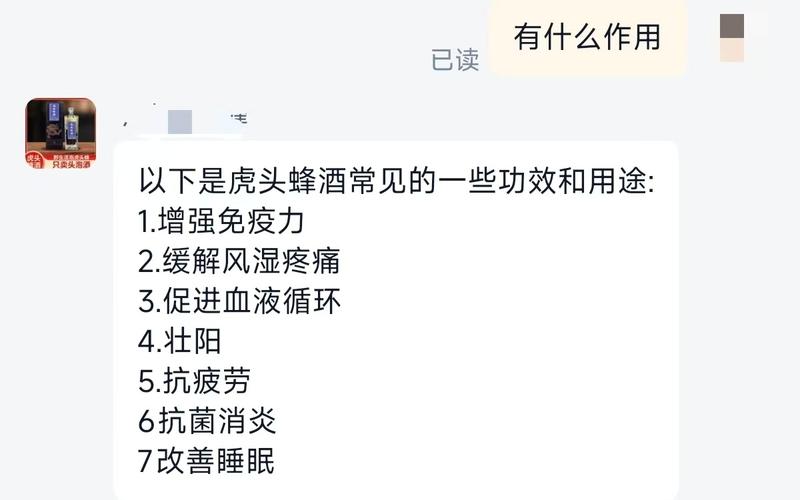
活毒蜂泡酒陆续下架 仍有商家宣称功效
Xin Jing Bao· 2025-12-22 04:57
Core Viewpoint - The sale of live hornet-infused liquor, particularly from the Asian giant hornet, is prevalent on various e-commerce and second-hand trading platforms, despite being banned in certain regions due to safety concerns. Sellers claim health benefits such as pain relief and improved immunity, but these products often lack proper labeling and safety certifications [1][2][4]. Group 1: Market Presence and Sales - Live hornet-infused liquor is being marketed aggressively in live-streaming sessions, with claims of its potency and health benefits, including pain relief for conditions like arthritis and migraines [2][3]. - Numerous sellers across various provinces in China are offering these products, with some even providing instructions on how to prepare the liquor using live hornets [2][4]. - E-commerce platforms have begun to remove listings for hornet-infused liquor, but many sellers continue to operate under different product categories, such as traditional Chinese medicine or agricultural products [4][5]. Group 2: Regulatory and Safety Concerns - Regulatory bodies have communicated with e-commerce platforms regarding the sale of live hornet-infused liquor, leading to some product removals, but enforcement remains inconsistent [4][10]. - The sale of these products raises significant legal issues, including potential violations of wildlife protection laws and food safety regulations, as they are often marketed without proper production qualifications [10][12]. - Experts warn of the high food safety risks associated with consuming self-made liquor from live animals, including the potential for acute poisoning and long-term health issues due to toxins and pathogens [11][12].

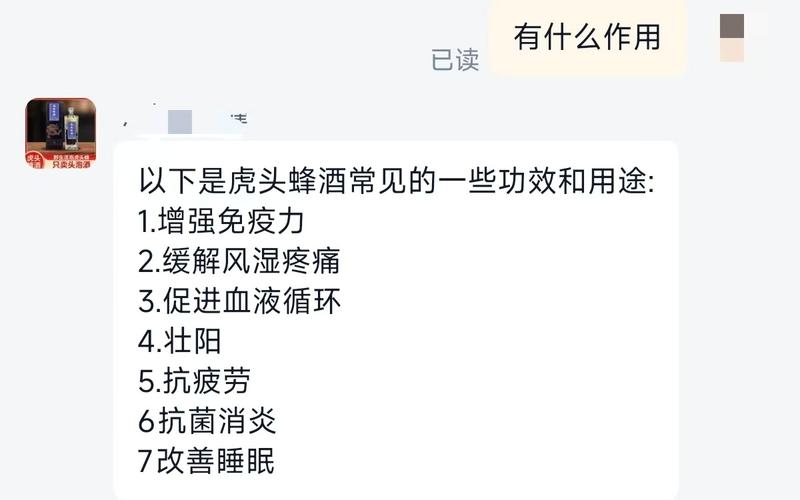
活毒蜂泡酒陆续下架,仍有商家宣称功效
Xin Jing Bao· 2025-12-22 04:40
Core Viewpoint - The sale of live hornet-infused liquor, particularly from the Asian giant hornet, is prevalent on various e-commerce and second-hand trading platforms, despite being banned in some regions due to safety concerns. Sellers claim health benefits such as pain relief and improved immunity, but these claims lack scientific backing [1][3][7]. Group 1: Market Presence and Sales - Live hornets are being sold in various forms, including as infused liquor, with claims of enhancing physical health and alleviating ailments like arthritis and migraines [2][5]. - Multiple sellers across provinces such as Fujian, Guangdong, and Zhejiang are involved in the trade of hornet-infused liquor, alongside other homemade insect liquors, which are often unregulated and lack proper labeling [2][4]. - E-commerce platforms have begun to remove listings for hornet-infused products, but many sellers continue to operate under different product categories, such as traditional Chinese medicine [4][6]. Group 2: Regulatory and Safety Concerns - Regulatory bodies have communicated with e-commerce platforms regarding the sale of hornet-infused liquor, leading to some product removals, yet the market remains active with ongoing sales [4][7]. - The sale of these products raises significant legal issues, as they may violate wildlife protection laws and food safety regulations due to the use of live animals and lack of production qualifications [7][9]. - Experts warn of high food safety risks associated with consuming homemade insect liquors, including potential toxicity and contamination from bacteria and parasites [8][10].
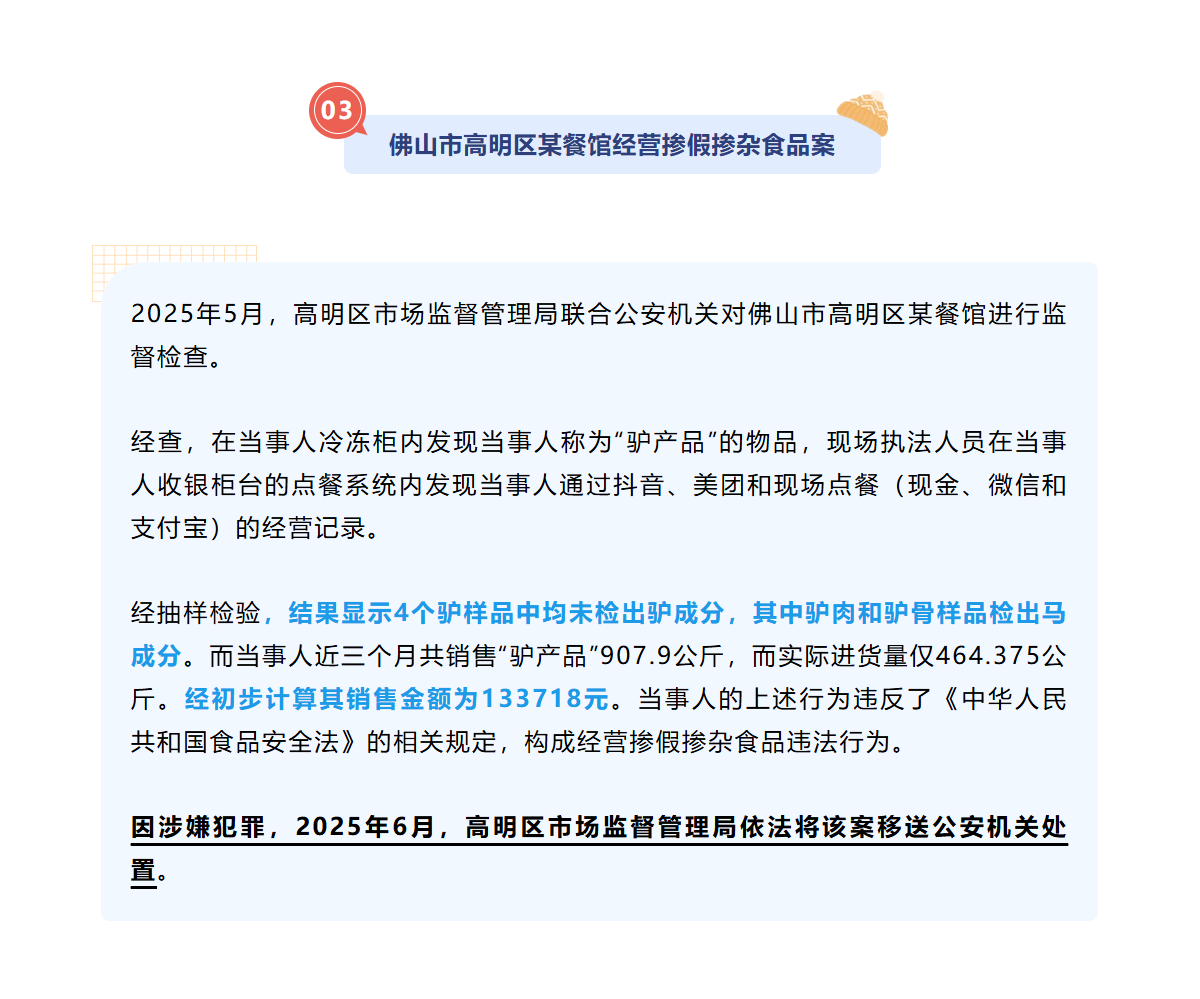
佛山一餐馆“挂驴头卖马肉” 市监通报
Nan Fang Du Shi Bao· 2025-11-20 05:29
Core Viewpoint - The article highlights a significant case of food fraud in which a restaurant in Gaoming District, Foshan, sold products labeled as "donkey meat" that were found to contain horse meat, leading to legal action by market regulatory authorities [1][3]. Group 1: Case Details - In May 2025, a joint inspection by the Gaoming District market regulatory bureau and police revealed that a restaurant's frozen cabinet contained items claimed to be "donkey products," but tests showed no donkey meat and detected horse meat instead [3]. - The restaurant sold a total of 907.9 kilograms of these "donkey products" over three months, while the actual purchase volume was only 464.375 kilograms, resulting in estimated sales of 133,718 yuan [3]. - The market regulatory authorities classified the restaurant's actions as illegal food adulteration and referred the case to the police for criminal investigation in June 2025 [3]. Group 2: Broader Context - Similar incidents of horse meat being sold as donkey meat have been reported across the country, including cases in Dalian and Beijing in 2024, where horse meat was found in products marketed as donkey meat [3]. - Legal expert Huang Xuefen noted that horse meat is typically sold at half the price of donkey meat, indicating a financial incentive for such fraudulent practices, which pose significant health risks and violate consumer rights [4]. - According to Chinese law, selling adulterated products can lead to imprisonment and fines, emphasizing the seriousness of the offense despite horse meat not being inherently toxic [4].