餐饮企业转型

Search documents
香港餐饮冰火两重天!新势力扎堆赴美上市,老字号为何接连闭店?
Sou Hu Cai Jing· 2025-12-18 09:02
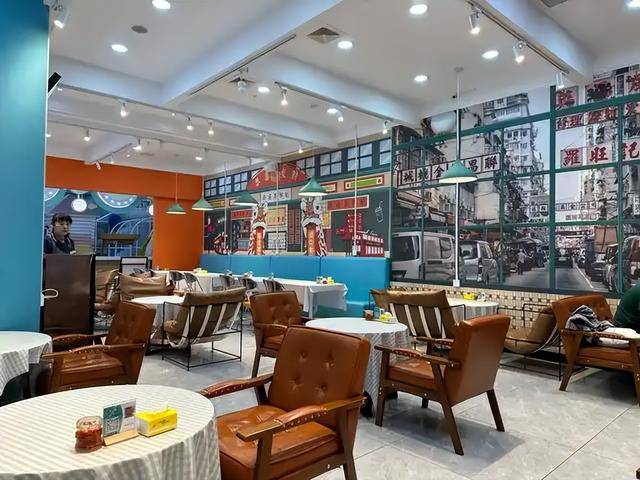
Core Insights - The Hong Kong restaurant industry is experiencing a stark contrast between new brands successfully listing on US stock exchanges and traditional establishments closing down [5][11][24] - New entrants focus on niche markets and growth potential, appealing to investors despite their small size [7][9] - Traditional restaurants face rising costs and changing consumer preferences, leading to closures and a struggle to adapt [13][18][20] Group 1: New Entrants and Market Dynamics - Several new restaurant brands, such as 牛大人 and 泰金锅, have successfully listed on US exchanges despite having only a few locations [3][5] - These brands leverage a "small but refined" approach, targeting specific niches within the market, which allows them to capture significant market shares in their categories [7][9] - The US market values growth potential over current size, enabling smaller, newer companies to attract investment [9][20] Group 2: Challenges for Traditional Restaurants - Established restaurants like 鸿星中菜 and 彩龙皇宫 are closing due to rising operational costs, including rent and labor [11][13] - The cost structure for Hong Kong restaurants shows that rent accounts for 30%, salaries for 35%, and food costs for 25%, leaving only 10% for profit [13][18] - Competition from mainland Chinese brands offering lower prices exacerbates the challenges faced by traditional establishments [16][18] Group 3: Consumer Behavior and Adaptation - Younger consumers prefer modern dining experiences that align with their social media habits, leading them to favor new brands over traditional ones [18][24] - Traditional restaurants are encouraged to adapt their offerings and business models to attract younger customers, such as simplifying menus and incorporating trendy elements [22][24] - The future of the Hong Kong restaurant industry may depend on the ability of traditional establishments to innovate while maintaining their core culinary identity [24][26]


预制菜争议破局餐饮企业靠“直播”重建信任
3 6 Ke· 2025-11-14 08:01
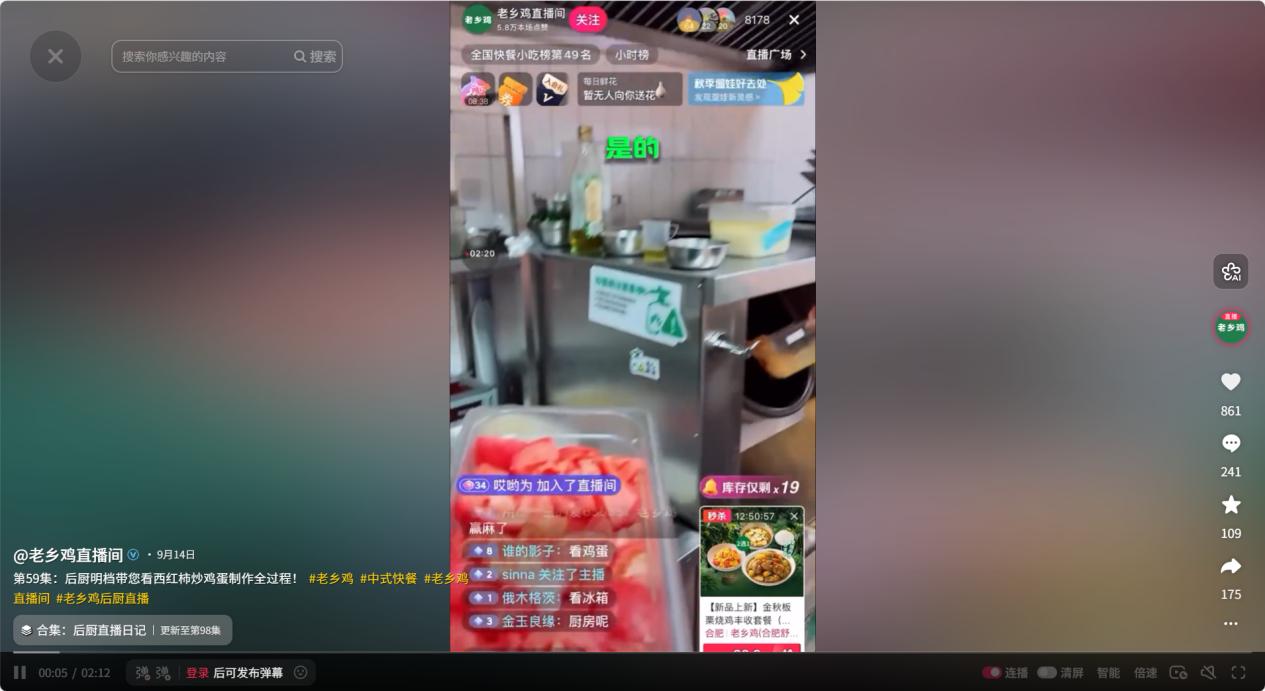
Core Insights - The recent "pre-made dish controversy" has highlighted the challenges faced by the restaurant industry, including slowing growth and rising costs, prompting many businesses to seek new strategies for survival [2][3][12] - Consumer trust issues regarding pre-made dishes have emerged, as many customers remain skeptical about safety, health, and freshness, leading to a significant impact on restaurant operations [4][12] Group 1: Industry Challenges - The restaurant industry is experiencing a slowdown in revenue growth, with national dining revenue for the first half of 2025 reaching 27,480 billion, a year-on-year increase of only 4.3%, while the growth rate for large-scale dining establishments has decreased by 3.6% [3] - The shift towards pre-made dishes is seen as a potential solution for cost reduction and efficiency, but consumer resistance poses a significant barrier [2][3] Group 2: Consumer Trust and Response Strategies - Many restaurants are adopting live streaming as a method to showcase the cooking process, thereby enhancing transparency and potentially rebuilding consumer trust [5][6][12] - The trend of "kitchen live streaming" has gained traction, with restaurants like "Mr. Rice" and "Old Country Chicken" engaging audiences by allowing them to witness the cooking process in real-time [7][9] - Some restaurants are also implementing ingredient traceability initiatives, inviting consumers to see the entire supply chain from sourcing to serving, which can help alleviate concerns about pre-made dishes [12][13] Group 3: Innovative Approaches - Restaurants are encouraged to invite industry experts and consumers to observe the central kitchen processes, thereby demonstrating product quality and safety [13] - Offering tasting sessions for pre-made dishes in-store can help consumers experience the flavors firsthand, allowing for feedback and continuous improvement [13] - These innovative strategies aim to meet the demand for transparency and can help restaurants attract more customers while addressing the challenges posed by the pre-made dish controversy [12][13]