餐饮行业变革

Search documents
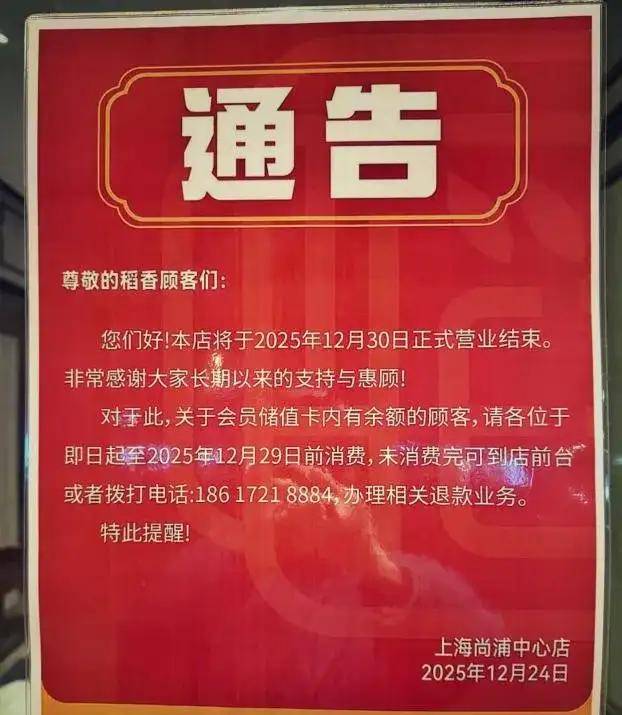
最后一壶港式早茶凉了:稻香退出上海,一线城市场景“清零”
Sou Hu Cai Jing· 2026-01-02 09:49
Core Insights - The departure of the last "Dai Xiang" sign in Shanghai marks the end of an era for Hong Kong-style tea houses in first-tier cities, indicating a significant shift in the dining landscape and consumer preferences [1][32] Group 1: Closure of Dai Xiang - Dai Xiang's closure is part of a prolonged survival crisis, with 11 stores shutting down in just one year across cities like Guangzhou, Huizhou, and Shanghai [3][4] - The closure of key locations in Shanghai, including Jing'an and Tie Shi Men, highlights the brand's retreat from the market [4] Group 2: Collective Retreat of Hong Kong Brands - The exit of Dai Xiang reflects a broader trend of Hong Kong dining brands facing challenges, with major players like "Da Jia Le" and "Tsui Wah" also closing multiple locations in mainland China [6] - "Da Jia Le" has shut down all 11 of its stores in East China, while "Tsui Wah" has closed four stores without opening new ones, indicating a significant contraction in their market presence [6] Group 3: Emergence of Local Brands - As traditional Hong Kong dining establishments withdraw, local brands are rapidly filling the void, with "Xing Hua Lou" expanding its national presence and "Xiao Bing Sheng" gaining popularity through innovative dining experiences [7] - New tea brands like "Luckin" and "Kudi" are also entering the market, offering high-value beverages that attract younger consumers [7] Group 4: Challenges Faced by Traditional Brands - Traditional Hong Kong tea houses are struggling with product quality, relying heavily on pre-made items that have received negative feedback from consumers [9] - Rising operational costs, particularly in rent and labor, are further straining these businesses, with many unable to sustain their operations in high-rent areas like Shanghai [13] - A lack of marketing innovation has led to an aging brand image, causing a disconnect with younger consumers who prefer dining experiences that emphasize social interaction and aesthetic appeal [14][15] Group 5: Underlying Industry Dynamics - Changing consumer demands are driving a shift away from traditional dining models, as younger generations prioritize authenticity, social experiences, and value for money [17][18] - The competitive landscape has evolved, with local brands innovating in product offerings and dining experiences, while traditional brands struggle to adapt [20] - The transition from outdated business models to new ecosystems is evident, with successful brands leveraging digital supply chains and experiential marketing to thrive [22] Group 6: Strategies for Brand Revival - Traditional brands can revitalize by maintaining core competencies while innovating their offerings, as seen with "Quanjude" and "Lian Xiang Lou" [25][27] - Cost control and efficient operations are crucial for improving profitability, with brands encouraged to optimize supply chain management and reduce reliance on pre-made dishes [27][29] - Targeted marketing strategies that resonate with specific consumer segments can help brands differentiate themselves and attract diverse customer bases [29]

商铺租金跌了,餐饮人却笑不出来
虎嗅APP· 2025-08-06 00:40
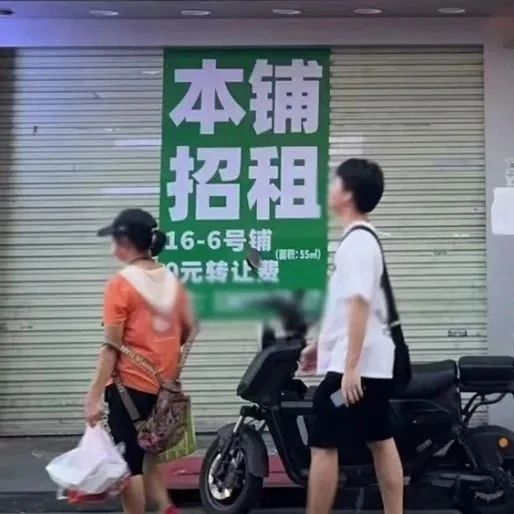
Core Viewpoint - The article discusses the challenges faced by restaurant operators in China due to high rental costs amidst declining customer traffic and falling rental prices in surrounding areas [4][5][10]. Group 1: Current Rental Market Situation - Many restaurant operators are becoming "high-rent tenants," as they are unable to negotiate lower rents despite surrounding shops reducing their prices significantly, with some areas seeing rental declines of 60-70% compared to the previous year [8][10]. - For instance, a coffee shop in Kunshan has a yearly rent of 120,000 yuan, which is about 30% higher than similar shops in the area, while a barbecue restaurant in Foshan faces a rent of 130,000 yuan, significantly above the market rate of 90,000-100,000 yuan [8][10]. Group 2: Negotiation Challenges - Restaurant owners are struggling to negotiate rent reductions with landlords, who often refuse to adjust rents based on current market conditions, leaving tenants feeling trapped by their contracts [9][11]. - Long-term contracts with annual rent increases have become a burden for many, as they are now locked into higher rates while the market declines [11][14]. Group 3: Consequences of Relocation - Relocating to a new site is often not a viable option for many restaurant operators due to the potential for greater financial loss, including the loss of deposits and the need for additional investment in renovations [15][18]. - For example, a noodle shop operator has invested over 200,000 yuan in initial costs and is now struggling to cover monthly expenses, making relocation financially unfeasible [18][19]. Group 4: Broader Market Trends - The restaurant industry is experiencing a significant shift, with many well-known brands focusing on improving operational quality rather than expanding aggressively, as evidenced by companies like Xibei and Heytea [23][25]. - Data indicates that the average vacancy rate for shopping centers in major cities is at a four-year high, with some centers reporting occupancy rates below 80% [21][22].