餐饮行业整合

Search documents
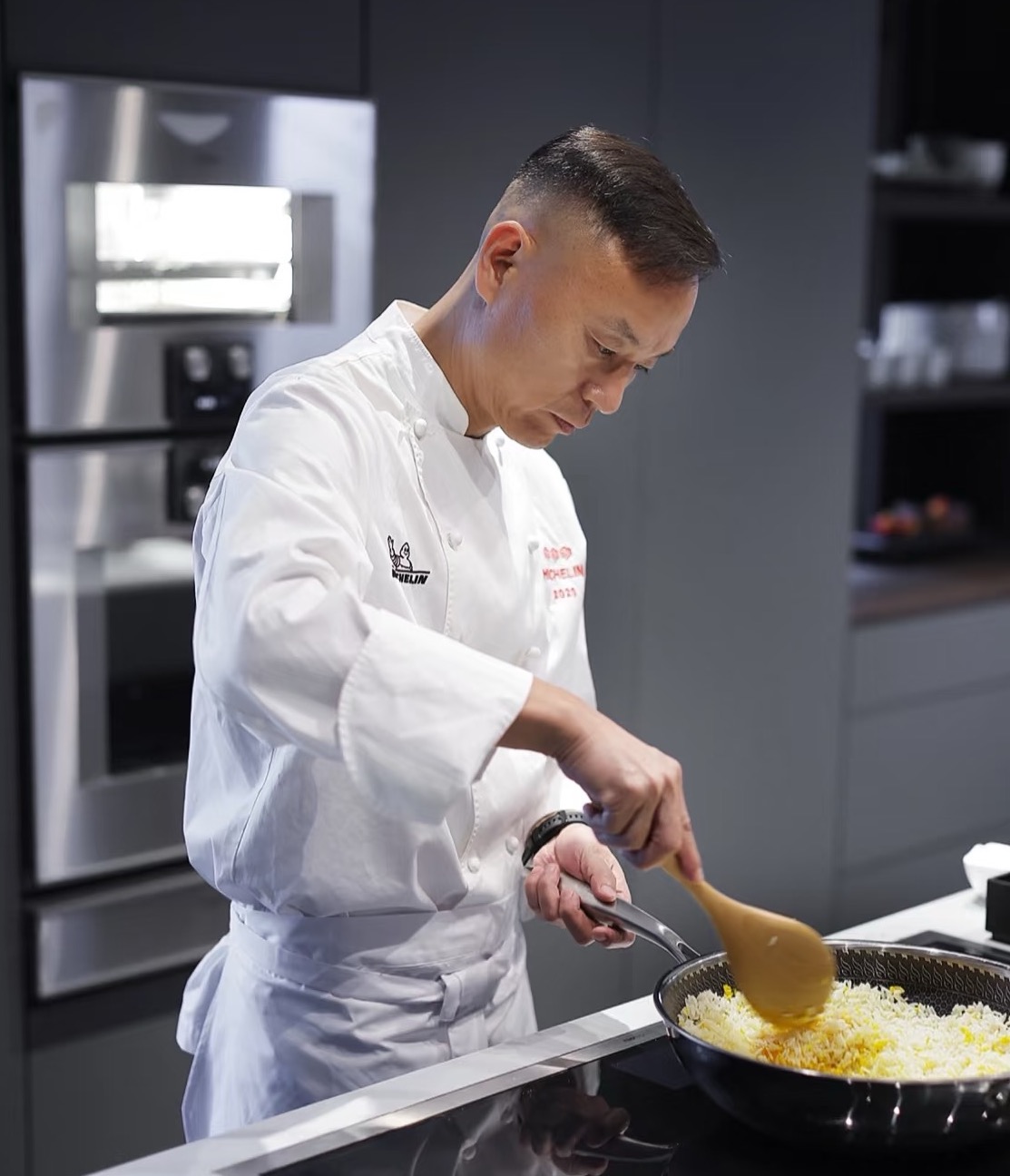
新荣记张勇对暴风雨中的贾国龙伸出援手
3 6 Ke· 2026-01-21 12:52
Core Viewpoint - The recent changes in the equity structure of Xibei Catering Group, including new shareholders, have sparked renewed discussions about the company's future strategy and potential for public listing, especially in light of its recent operational challenges [1]. Group 1: Equity Changes - On January 20, new shareholders were added to Xibei's parent company, Inner Mongolia Xibei Catering Group, increasing its registered capital from 89 million to 102 million yuan [1]. - The new shareholders include Taizhou Xinrongtai Investment Co., Ltd., and others, collectively holding 11.57% of the company, while the largest shareholder, Beijing Xibei Enterprise Management Co., Ltd., holds 35.8% [1]. - Despite the changes, Jia Guolong remains the actual controller, holding a total of 68.7% of the shares through various companies [1]. Group 2: Background of New Investor - Zhang Yong, the founder of Xinrongji, has a significant background in the high-end dining sector, having built Xinrongji into a well-regarded brand with approximately 18 locations and a high average spending per customer [2]. - Xinrongji has received over 79 Michelin stars, showcasing its reputation in the culinary industry [2]. Group 3: Strategic Implications - Zhang Yong's investment in Xibei is seen as a strategic move, leveraging his experience in high-end dining to support Xibei's expansion and operational challenges [4]. - The complementary nature of Xinrongji's high-end positioning and Xibei's mass-market appeal could create synergies in customer base and market reach [5]. - Zhang Yong's involvement is expected to provide not only financial support but also enhance Xibei's brand credibility amidst ongoing operational pressures [5]. Group 4: Industry Context - The Chinese chain restaurant market has significant growth potential, but it faces challenges related to profit margins and cash flow, making strategic partnerships crucial [5]. - The recent investment reflects a broader trend of collaboration and support among industry peers, particularly in times of operational difficulty [12].

比格比萨冲击港股IPO,运营387家餐厅,中国最大的本土比萨餐厅
Sou Hu Cai Jing· 2026-01-16 13:45
Core Viewpoint - Big Pizza International Holdings Limited has submitted a listing application to the Hong Kong Stock Exchange, aiming to expand its presence in the Chinese pizza market, which is experiencing significant growth [2][3]. Company Overview - Big Pizza is a leading pizza buffet brand in China, ranked first in GMV among local pizza restaurants and buffet restaurants as of September 30, 2025 [2]. - The company operates 342 stores across 28 provinces and 105 cities in China, with plans to expand to 387 stores covering 127 cities [3]. - The company aims to become the best pizza brand in China, focusing on customer satisfaction and quality dining experiences [3]. Financial Performance - Revenue increased from RMB 944 million in 2023 to RMB 1.147 billion in 2024, and further to RMB 1.389 billion for the nine months ending September 30, 2025 [5]. - Same-store sales for self-operated restaurants grew by 5.1% from 2023 to 2024 and by 16.0% for the nine months ending September 30, 2025 [5]. - Despite revenue growth, net profit decreased by 12.2% from RMB 47.5 million to RMB 41.7 million in the year 2024, but increased by 59.3% from RMB 32.4 million to RMB 51.7 million for the nine months ending September 30, 2025 [8]. Market Insights - The Western-style dining sector is the second largest in China's food service industry, expected to reach RMB 959.6 billion by 2029, with a CAGR of 7.9% from 2024 to 2029 [7]. - The pizza segment is the second largest and fastest-growing subcategory in Western-style dining, projected to grow from RMB 48.2 billion in 2024 to RMB 88.5 billion by 2029, with a CAGR of 12.9% [7]. - The top five pizza chains hold a 49.1% market share, indicating potential for further industry consolidation [7]. Consumer Trends - The younger generation in China is reshaping dining habits, showing higher acceptance of Western-style dining and a willingness to try new products, creating growth opportunities in the market [8]. IPO Fund Utilization - The funds raised from the IPO will be used for strategic expansion of restaurant networks, enhancing IT capabilities, brand building, supply chain improvements, strategic investments, and general corporate purposes [9].
餐饮行业继续探底:价格战与成本绞杀下的生存困局
Sou Hu Cai Jing· 2025-05-02 12:38
Core Viewpoint - The restaurant industry is facing unprecedented challenges, with mixed results from recently released annual reports of listed companies, indicating a complex and divided market landscape [2][3]. Group 1: Company Performance - Yum China achieved a revenue of $11.3 billion (approximately 80 billion RMB) in 2024, a year-on-year increase of 3%, with a net profit of $911 million (approximately 6.5 billion RMB), up 10.2% [4][5]. - Haidilao reported a revenue of 42.755 billion RMB in 2024, a 3.14% increase, and a net profit of 4.708 billion RMB, up 4.65% [4][5]. - Baba Food's revenue for 2024 was 1.671 billion RMB, with a year-on-year growth of 2.53%, and a net profit of 277 million RMB, up 29.42% [4][5]. - In contrast, Jiumaojiu's revenue was 6.074 billion RMB, a 1.5% increase, but its net profit plummeted by 87.69% to 55.807 million RMB [6][9]. - Ajisen (China) reported a revenue of 1.717 billion RMB, a decrease of 5.4%, resulting in a loss of 20.224 million RMB [7][9]. - Guangzhou Restaurant's revenue was 5.124 billion RMB, a 4.55% increase, but its net profit fell by 10.29% to 494 million RMB [8][9]. - Tai Hing Group's revenue grew by 2.5% to approximately 3.292 billion HKD (about 2.9 billion RMB), but its net profit dropped by 33.1% to 62.749 million HKD (about 55 million RMB) [8][9]. Group 2: Industry Challenges - The macroeconomic environment is challenging, with slow economic growth affecting consumer spending in the restaurant sector, leading to more cautious and price-sensitive dining choices [11]. - The oversupply of restaurants, with over 9 million establishments in China, has resulted in a market decline of 30%-35% in the first half of 2024, forcing many new openings to engage in price wars [13]. - Consumer demand is evolving, with a greater emphasis on health, quality, and dining experience, pushing traditional restaurants to adapt or risk losing market share [15]. - Rising costs in raw materials, labor, and rent are squeezing profit margins, leading to closures of smaller establishments unable to cope with these pressures [16]. Group 3: Future Trends - The industry is expected to see accelerated consolidation, with stronger brands gaining market share while weaker players are eliminated, leading to a higher market concentration [18]. - Digital transformation is becoming essential for restaurants to enhance customer engagement and operational efficiency, with those embracing technology likely to gain a competitive edge [21]. - Diversification and innovation in menu offerings and service models are crucial for attracting consumers and standing out in a crowded market [22]. - Affordable and high-value dining options are anticipated to dominate the market as consumers become more budget-conscious [23].