高端航空市场

Search documents
航司“软硬兼施”争夺高端旅客 国泰投巨资升级机场贵宾室
Hua Xia Shi Bao· 2025-08-28 14:52
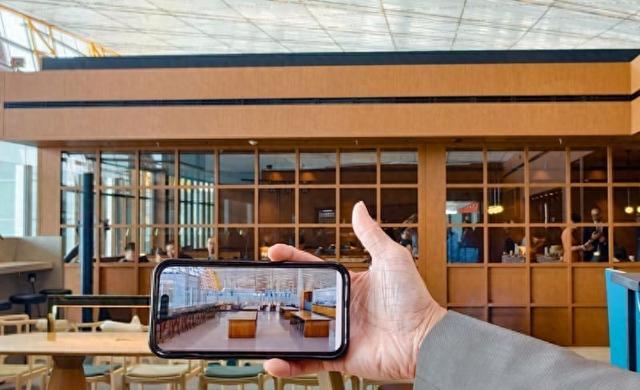
Core Insights - The aviation industry has undergone structural changes post-COVID-19, with a notable decline in demand from the "middle-tier" travelers, prompting airlines to focus on retaining high-revenue customers such as premium members and business class passengers [2][4] - Cathay Pacific is enhancing its competitiveness by strengthening its route network in mainland China and upgrading airport lounges to attract high-end travelers [2][5] Strategic Market - Beijing is a crucial hub for Cathay Pacific, reflecting its strategy of being rooted in Hong Kong while connecting globally, with a focus on business travelers [3] - The newly renovated lounge at Beijing Capital International Airport aligns with Cathay's design standards and aims to create a warm atmosphere for travelers [3][5] - Cathay Pacific operates seven daily flights to Beijing, catering to a diverse range of travelers, including business and government passengers [3] Investment Plans - Following a return to profitability, Cathay Pacific announced a significant investment plan worth HKD 100 billion to upgrade its fleet, cabin products, and ground facilities, aiming to strengthen its position in the premium aviation market [4] - The reopening of the Beijing lounge signifies the completion of upgrades at key hubs in China, laying the groundwork for future expansion [5] High-End Traveler Focus - High-end travelers, who represent only 3-5% of total passengers, contribute 15-20% of passenger revenue, making them vital for airlines like Cathay Pacific [5][6] - The demand for high-end travel is more resilient, driven by business needs, prompting airlines to invest in upgrading services and facilities to attract and retain these customers [6] Global Expansion - Cathay Pacific is also establishing a lounge at New York's JFK Airport, highlighting the importance of the North American market for high-end travelers [7] - The airline has increased its North American routes significantly, with a 50% year-on-year increase in flight volume, aiming to attract more premium passengers [7][8] - Cathay Pacific plans to offer 1.3 million round-trip seats on East Asia-North America routes from September 2024 to February 2025, enhancing its capacity to serve high-end travelers [7]


航司“软硬兼施”争夺高端旅客,国泰投巨资升级机场贵宾室
Hua Xia Shi Bao· 2025-08-28 14:44
Core Viewpoint - The aviation industry is undergoing structural changes post-COVID-19, with a notable decline in demand from business travelers, prompting airlines to focus on retaining high-revenue customers such as premium members and business class passengers [2][5]. Group 1: Company Strategy - Cathay Pacific is enhancing its route network in mainland China and upgrading airport lounges to attract high-end customers traveling through Hong Kong [2][3]. - The newly renovated lounge at Beijing Capital International Airport reflects Cathay Pacific's commitment to providing a consistent and welcoming experience for travelers, aligning with its global standards [3][4]. - Cathay Pacific's investment plan, amounting to HKD 100 billion, aims to upgrade its fleet, cabin products, and ground facilities to strengthen its competitiveness in the high-end aviation market [4][5]. Group 2: Market Dynamics - High-end travelers, despite being only 3-5% of total passengers, contribute 15-20% of passenger revenue, making them crucial for airlines' recovery post-pandemic [5][6]. - The demand for high-end travel is more resilient, driven by business needs such as attending meetings and events, which necessitates airlines to enhance both their service offerings and network accessibility [6][7]. - Cathay Pacific is expanding its presence in North America, with a significant increase in flight frequency and the establishment of a new lounge at New York's JFK Airport, reflecting the importance of this market for high-end revenue [7][8]. Group 3: Future Outlook - Cathay Pacific plans to offer 1.3 million round-trip seats on East Asia-North America routes from September 2024 to February 2025, aiming to attract more high-end travelers and improve business class seat occupancy [8]. - The airline's strategy includes continuous upgrades to its network and services, with a focus on expanding its presence in mainland China and enhancing customer experience through dedicated lounges [5][8].