
高等教育财政投入

Search documents
年均万亿投入高等教育,剑指世界一流大学
2 1 Shi Ji Jing Ji Bao Dao· 2025-12-26 03:16
Group 1 - The report highlights a steady increase in fiscal investment in higher education, with a total of 37.8 trillion yuan allocated through general public budgets and 210.2 billion yuan through government fund budgets from 2021 to 2024, averaging nearly 1 trillion yuan annually [2] - By 2024, the gross enrollment rate in higher education is projected to reach 60.8%, an increase of 6.4 percentage points from 2020, with over 240 million people holding a university degree [2] - Central fiscal investment has been increased to reduce regional disparities in higher education, with a total of 1.02 trillion yuan from central finance and 2.76 trillion yuan from local finance allocated for the period [2] Group 2 - "Double First Class" universities and higher vocational education are prioritized for funding, with a total of 181 billion yuan allocated from 2021 to 2025, which has stimulated over 110 billion yuan in local financial investment [3] - "Double First Class" universities have produced over 50% of the country's master's graduates and nearly 80% of doctoral graduates, contributing significantly to original research outcomes [3] - During the 14th Five-Year Plan period, higher vocational education is expected to supply approximately 25 million talents to society [3] Group 3 - The report emphasizes a focus on improving living standards by combining investments in infrastructure and human resources to enhance the overall level of higher education and improve university conditions [4] - Future plans include prioritizing higher education in fiscal education expenditures, utilizing central budget investments and long-term special bonds to support university infrastructure [4] - There will be an acceleration in establishing a fiscal investment mechanism for higher education that adapts to changes in school-age population trends, aiming to increase degree offerings and expand the scale of quality undergraduate and graduate education [4]

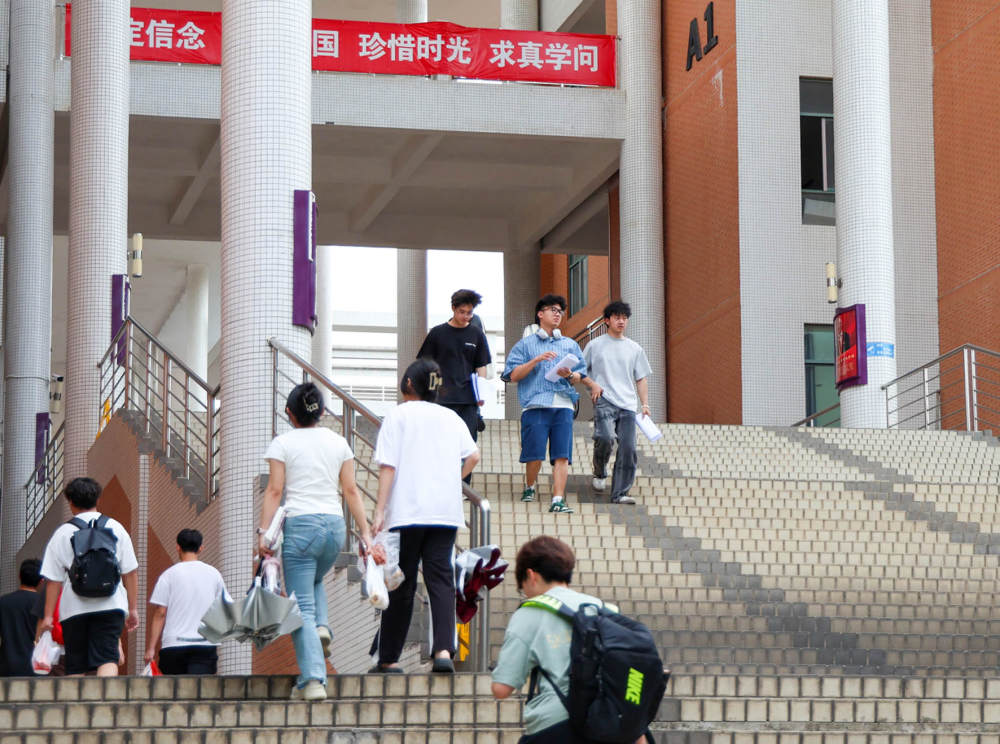
超2.4亿人有大学文化程度
第一财经· 2025-12-25 12:58
Core Viewpoint - The article discusses the latest financial investment in higher education in China, revealing that the government has allocated approximately 4 trillion yuan to higher education from 2021 to 2024, which constitutes about 3.6% of the total public budget expenditure during the same period [3][5]. Government Investment Breakdown - From 2021 to 2024, the central government contributed approximately 1.02 trillion yuan, while local governments contributed about 2.76 trillion yuan, indicating that local governments are primarily responsible for funding higher education [5][6]. - The report highlights that the higher education system in China has become the largest in the world, with a gross enrollment rate of 60.8% in 2024, an increase of 6.4 percentage points from 2020 [5][6]. Challenges in Higher Education - The report identifies several challenges in the high-quality development of higher education, including insufficient forward-looking research on resource allocation, the need for improved funding mechanisms for collaborative education, and the necessity to enhance the management efficiency of educational funds [6][7]. Future Strategies for Funding - The report outlines five measures to enhance the multi-source funding structure for higher education, emphasizing the need to prioritize funding for higher education while maintaining the current division of fiscal responsibilities between central and local governments [6][7]. - It suggests that the government will utilize central budget investments and long-term special bonds to support infrastructure development in universities [6][7]. Enhancing Cost Sharing and Resource Allocation - The report advocates for the establishment of a cost-sharing mechanism for student training and the improvement of technology innovation mechanisms in universities to broaden funding channels [7][8]. - It emphasizes the importance of monitoring demographic changes in school-age populations to optimize resource allocation and adjust funding structures accordingly [8]. Expansion of Quality Education Resources - The report indicates that the government plans to expand the range of "Double First-Class" universities and increase the supply of quality higher education resources, including undergraduate and graduate programs [8].

高等教育4年财政投入近4万亿,超2.4亿人有大学文化程度
Di Yi Cai Jing· 2025-12-25 11:59
Core Insights - The report reveals that the Chinese government has allocated approximately 4 trillion yuan to higher education from 2021 to 2024, with a significant portion coming from local governments [1][2] - The central government contributes about 27% of the funding, while local governments account for approximately 73%, indicating a reliance on local fiscal support for higher education [2] - The gross enrollment rate in higher education is projected to reach 60.8% in 2024, an increase of 6.4 percentage points since 2020, reflecting the expansion of the higher education system [2] Funding Allocation - From 2021 to 2024, the central government has allocated 1.02 trillion yuan, while local governments have contributed 2.76 trillion yuan to higher education funding [2] - The total public budget expenditure from 2021 to 2024 is approximately 106.6 trillion yuan, with higher education spending constituting about 3.6% of this total [1] Challenges and Recommendations - The report identifies several challenges in higher education, including insufficient research on resource allocation and the need for improved funding mechanisms for collaborative education [3] - It suggests five measures to enhance the funding structure for higher education, emphasizing the importance of maintaining local government support while increasing central government investment [3][4] - The report advocates for a more robust mechanism for calculating and sharing the costs of student education, as well as expanding funding channels through donations and private sector involvement [4] Future Directions - The government plans to adapt the higher education funding mechanism to align with demographic trends in school-age populations, ensuring adequate support for educational institutions [5] - By 2024, there will be 3,119 higher education institutions in China, with a total enrollment of 48.46 million students and over 216,000 full-time faculty members [5] - The report emphasizes the need to expand the "Double First Class" initiative, which currently produces over 50% of the country's master's degrees and nearly 80% of doctoral degrees, to enhance the quality of higher education [5]
国务院报告:适度扩大“双一流”建设范围
Xin Lang Cai Jing· 2025-12-23 12:26
Core Viewpoint - The report emphasizes the need to expand the "Double First Class" initiative and enhance the supply of quality higher education resources, with significant financial backing from the government [1][3]. Financial Support and Investment - A total of 1,930 billion RMB is allocated from 2021 to 2025 to support major educational projects and address shortcomings in higher education [1][3]. - The central government plans to allocate 1,810 billion RMB from the general public budget during the same period, which is expected to stimulate over 1,100 billion RMB in local financial investment [1][3]. Higher Education Development - China has established the world's largest higher education system, achieving a gross enrollment rate of 60.8% by 2024, an increase of 6.4 percentage points from 2020, with over 240 million people holding a university degree [1][3]. - The "Double First Class" universities have been pivotal in producing over 50% of the country's master's degrees and nearly 80% of doctoral degrees, contributing significantly to original research and technological breakthroughs [2][4]. Future Directions - The report suggests creating a collaborative support system for the integrated development of education, science, and technology talent, along with a differentiated funding mechanism to optimize academic structures [5]. - It also calls for the expansion of quality undergraduate and graduate education, with a focus on increasing the proportion of doctoral students [5]. - A mechanism to adapt financial investments in higher education to demographic changes in school-age populations is recommended, ensuring a stable supply of educational resources [5].