
双一流建设

Search documents
中传一口气砍掉16个本科专业,释放重磅信号
21世纪经济报道· 2026-03-12 15:38
Core Viewpoint - The article discusses the significant adjustments in academic disciplines and majors in Chinese universities, particularly focusing on the recent decision by Communication University of China to eliminate 16 undergraduate programs in response to the demands of the AI era and the need for a more integrated approach to education [1][5]. Group 1: Academic Adjustments - The Communication University of China has eliminated 16 undergraduate programs, indicating a shift towards integrating specialized training into broader disciplines due to the impact of artificial intelligence [1][5]. - Education Minister Huai Jinpeng emphasized the need for universities to transition from focusing on academic development to serving national missions, aligning with the modernization of the country [1][3]. - The adjustments are driven by the rapid changes in talent demand due to economic and social development, necessitating the reduction or elimination of oversaturated programs [5][6]. Group 2: Trends in Interdisciplinary Studies - There is a growing trend towards interdisciplinary studies, with universities like Communication University of China establishing programs that combine various fields, such as journalism and cognitive communication [6]. - New interdisciplinary programs, such as Low Altitude Technology and Engineering at Beijing University of Posts and Telecommunications, are being developed by integrating resources from multiple disciplines [6]. - The Ministry of Education plans to establish national interdisciplinary centers to enhance original innovation and cultivate new productive forces [6][9]. Group 3: "Double First-Class" Initiative - The "Double First-Class" initiative aims to support research universities in aligning with national strategies, with a new round of standards being developed to guide this process [8][9]. - The initiative has evolved to focus more on discipline-based development rather than institutional identity, allowing universities to determine their own development paths [8][9]. - The third round of the "Double First-Class" initiative will address the challenges posed by the rapid changes in technology and the need for higher education to adapt accordingly [9]. Group 4: Engineering Literacy in Education - The article highlights the increasing importance of engineering literacy in various fields, particularly in medical education, where there is a shift towards integrating engineering principles into training [11][12]. - Recommendations include enhancing medical education to incorporate intelligent medicine and engineering skills as core components of training [11][12]. - Collaboration between universities and industries is essential to address real-world challenges and improve the engineering literacy of students [12][13].

普通高中、优质本科今年持续扩招
第一财经· 2026-03-05 04:23
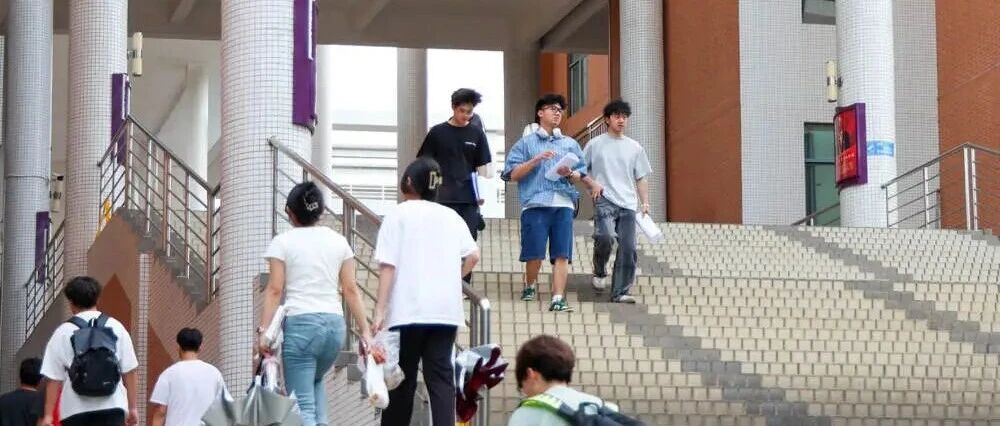
Core Viewpoint - The article discusses the adjustments in China's education system in response to changing demographics, emphasizing the expansion and improvement of educational resources, particularly in basic and higher education [2][3]. Group 1: Basic Education - The government report highlights the need to adapt to changes in school-age population structure, focusing on enhancing the quality and distribution of educational resources [2]. - The number of students in primary schools peaked in 2023, with junior high expected to peak in 2026 and high school in 2029 [2]. - In 2024, the enrollment in ordinary high schools is projected to exceed 10.36 million, marking a significant increase of 684,000 from the previous year, with a recorded admission rate of 61.02% [3]. Group 2: High School Enrollment - Various regions are significantly increasing high school enrollment, with Guangdong adding over 200,000 new ordinary high school places [4]. - Wuhan plans to add 8,000 quality high school places, while other cities like Xiangyang and Shiyan are also expanding their high school capacities [5]. - The overall admission rate for ordinary high schools is expected to rise to 62.36% in 2025, reflecting ongoing efforts to improve access to education [3]. Group 3: Higher Education - The expansion of quality undergraduate enrollment will continue, focusing on meeting national strategic needs and societal development [5]. - The gross enrollment rate for higher education has surpassed 60%, but the proportion of quality undergraduate programs remains relatively small [6]. - The report emphasizes the need for a mechanism that aligns talent cultivation with economic and social development, advocating for reforms in higher education institutions [6].
官方发文:支持深圳大学“双一流”建设
Xin Lang Cai Jing· 2026-02-09 04:40
Group 1 - Shenzhen aims to build a high-quality education system by 2026, including the development of key educational projects such as Xili Lake International Science and Education City, Guangming Science City, and the Hong Kong-Shenzhen International Science and Education City [2][5] - The Shenzhen University has been recognized as one of the fastest-growing universities in mainland China, with significant improvements in comprehensive strength and reforms in talent cultivation and management systems [2][5] Group 2 - During the 14th Five-Year Plan period, 290 scholars from Shenzhen University were listed among the top 2% of scientists globally, with 98 also appearing on the "Lifetime Scientific Impact Ranking" and "2024 Scientific Impact Ranking" [3][6] - Shenzhen University has added 17 new doctoral programs, bringing the total to 27, with 20 disciplines ranked in the top 1% globally according to ESI, and 4 disciplines in the top 0.1% [3][6] - The university has received approval for 5 national key laboratories, 2 national innovation centers, and 1 national engineering research center, along with numerous national research grants and awards [3][6]

适配“双一流”建设创新发展高校教育基金会
Xin Hua Ri Bao· 2026-02-04 21:36
Core Viewpoint - The article emphasizes the need for higher education institutions to innovate and enhance their fundraising capabilities to support the "Double First-Class" initiative, which aims to develop world-class universities and disciplines [1]. Group 1: Diversifying Fundraising Channels - Higher education foundations must establish a diversified and sustainable fundraising system to support the "Double First-Class" initiative [2]. - It is crucial to maintain and develop alumni resources by creating a comprehensive alumni database and organizing events to enhance alumni engagement and donation willingness [2]. - Collaborating with enterprises to create impactful projects, such as scholarships and joint research labs, can enhance resource sharing and brand building [2]. - Expanding social donation channels through partnerships with NGOs and promoting impactful community projects can cultivate a stable culture of social donations [2]. Group 2: Innovating Management Models - Management model innovation is key for higher education foundations to overcome resource constraints and improve operational efficiency [3]. - Implementing modern governance structures, such as boards and committees, can clarify responsibilities and enhance decision-making processes [3]. - Adopting corporate financial management practices, including budget control and cost management, can improve fund utilization and security [3]. - Digital transformation of management processes can enhance efficiency and reduce operational risks by integrating core data management [3]. - Establishing a scientific performance evaluation mechanism can help assess fundraising effectiveness and improve transparency [3]. Group 3: Focusing on Research and Talent Innovation - Higher education foundations play a vital role in supporting scientific research and talent development, which are essential for the "Double First-Class" initiative [4]. - Establishing specialized research funds aligned with academic development plans can enhance research capabilities and support interdisciplinary studies [4]. - Providing targeted support for young researchers through dedicated funds and academic platforms can foster innovation and growth [4]. - A diversified scholarship and award system can incentivize outstanding teaching and research, contributing to the cultivation of high-quality talent [4]. Group 4: Strengthening Public Trust and Transparency - The era of big data presents opportunities and challenges for the transparency of higher education foundations [5]. - Improving information disclosure mechanisms and ensuring timely and accurate communication with donors and the public can enhance social trust [5]. - Utilizing modern technologies, such as blockchain, can create secure and traceable information platforms, increasing donor confidence and engagement [5]. Group 5: Strategic Significance of Foundation Development - The innovation and development of higher education foundations are strategically significant for linking universities with social resources [6]. - Expanding fundraising, optimizing governance, enhancing research support, and building public trust are essential for improving resource integration and strategic collaboration [6]. - The transition from passive support to proactive leadership is necessary for foundations to effectively contribute to the advancement of world-class universities [6].
事关你的切身利益!多部委亮出2026任务清单
Zhong Guo Xin Wen Wang· 2026-01-30 05:48
Employment - The Ministry of Human Resources and Social Security plans to implement a "Stabilizing Jobs and Expanding Quality" action in 2026, focusing on key groups for employment support [2] - A document addressing the impact of artificial intelligence on employment will be released, alongside initiatives like the "Skills Illuminate the Future" training program [2] - Public employment recruitment activities will be enhanced, including the "Spring Breeze Action" and "Spring Warmth for Migrant Workers" service actions [2] Rights Protection - A new regulation for the basic rights of workers in new employment forms will be established, along with provisions for older workers [4] - The Ministry will promote the implementation of paid annual leave for employees by revising the relevant regulations [4] Social Security - The coverage of social insurance will be expanded to include flexible and new employment forms [5] Education - A new round of "Double First Class" construction will be initiated, focusing on high-quality development of local universities and optimizing educational resource distribution [6] - The Ministry aims to enhance basic education resources to better respond to changes in school-age populations and ensure educational equity [6] Fertility - By 2026, the goal is to achieve "no out-of-pocket" expenses for childbirth within policy coverage, with improvements in prenatal care cost coverage [8] - The inclusion of flexible workers and migrant workers in maternity insurance coverage will be promoted [8] Elderly Care - The focus will be on improving care for elderly individuals with disabilities and dementia, alongside developing rural elderly care services [9] Taxation - Tax reforms will be deepened to optimize the tax structure and enhance local government financial autonomy [10] - National coordination of basic pension insurance and provincial coordination of basic medical insurance will be promoted [10] Housing - The implementation of a "current housing sales system" will be advanced to mitigate delivery risks in the real estate market [12] - Regulations on pre-sale fund supervision will be established to protect the legal rights of homebuyers [12]
省属重点高校,如何服务区域重大需求 |聚焦2026山东两会
Jing Ji Guan Cha Bao· 2026-01-29 06:32
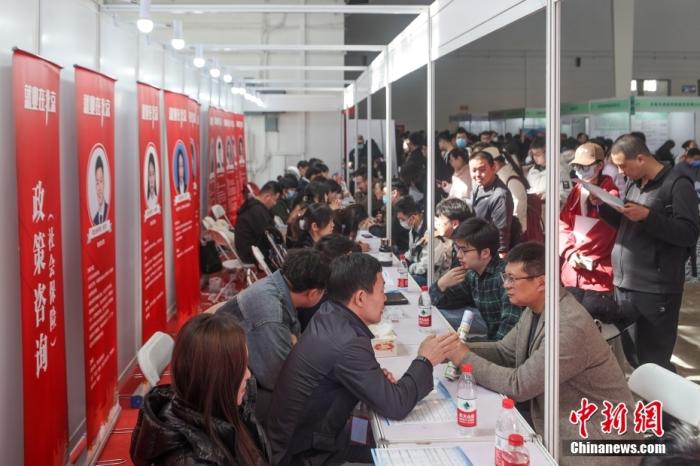
Group 1 - The Shandong Provincial Government is focusing on the development of key industries, including new generation information technology and artificial intelligence, as well as emerging sectors like life health and green energy, as part of its "10+1" industrial development strategy [2] - Qingdao University is aligning its academic programs with the regional industrial layout by establishing interdisciplinary doctoral programs in areas such as low-altitude technology and artificial intelligence [2][3] - The university has formed seven academic clusters from 39 disciplines, emphasizing peak disciplines in systems, textiles, and medicine, while also developing advantageous clusters in new energy and cultural creativity [3] Group 2 - Qingdao University has established its own medical technology company to leverage its clinical advantages, focusing on smart medical devices and innovative healthcare solutions [4] - The university is actively promoting the construction of research centers in extreme environment medicine and artificial intelligence, with several projects already approved or in progress [3] - The integration of AI into various research initiatives is a priority for Qingdao University, aiming to enhance its contributions to the local economy and healthcare innovation [2][4]
省属重点高校,如何服务区域重大需求
Jing Ji Guan Cha Wang· 2026-01-29 06:03
Group 1 - The Shandong Provincial People's Congress emphasized the importance of a first-class university named after a city as a hallmark of a modern international metropolis, with a focus on high-quality development of local universities and application-oriented institutions [1] - Qingdao University aims to leverage its strengths in medicine, healthcare, and engineering to contribute to the development of the Qingdao Science and Technology Innovation Corridor and the "China Health Bay" initiative, presenting both challenges and opportunities for the institution [1] Group 2 - Qingdao City has outlined a "10+1" industrial development strategy focusing on emerging industries such as new generation information technology, artificial intelligence, and health, while also enhancing existing industries like smart home appliances and high-end chemicals [2] - Qingdao University has established eight interdisciplinary doctoral programs in areas such as low-altitude technology and artificial intelligence, fostering a collaborative ecosystem through the integration of education and industry [2] Group 3 - Qingdao University has organized 39 first-level disciplines into seven discipline clusters, with a focus on developing peak discipline clusters in "system+", "textile+", and "medicine+" [3] - The university is actively promoting projects related to extreme environment special medicine and artificial intelligence, with plans for future energy and intelligent connected vehicle centers [3] Group 4 - Qingdao University has established its own wholly-owned medical technology company to incubate innovations in smart diagnostics, medical devices, and pharmaceuticals, aiming to create a strong brand in medical technology [4]
北京今年将新增中学学位1万个 促进义务教育均衡发展
Jin Rong Jie· 2026-01-25 02:45
Core Viewpoint - The Beijing Municipal Government's work report emphasizes the need to adapt to changes in school-age population and improve the dynamic guarantee mechanism for basic education enrollment, with plans to add 10,000 middle school seats by 2026 to promote quality and balanced development in compulsory education [1] Group 1: Education Policy Initiatives - The report highlights the integration of artificial intelligence across all educational stages to enhance teaching quality and efficiency [1] - There will be an expansion in the enrollment scale of vocational undergraduate institutions this year, aimed at creating pathways for students transitioning from vocational to academic education [1] - Support will be provided for the construction of "Double First-Class" universities in Beijing, promoting high-quality development in educational clusters such as Liangxiang University Town and Shahe Higher Education Park [1] Group 2: Quality Improvement Measures - The government aims to promote the balanced development of compulsory education through the implementation of the "Double Reduction" policy alongside improvements in educational quality [1] - Each institution will adopt tailored strategies to facilitate the transformation of scientific and technological achievements into practical applications [1]
新一轮“双一流”建设将启动
Xin Lang Cai Jing· 2026-01-10 19:31
Core Viewpoint - The Ministry of Education will prioritize the reform of higher education institutions as a major strategic task in 2026, launching a new round of "Double First Class" construction and promoting high-quality development of local ordinary universities [1] Group 1: Higher Education Reform - The Ministry of Education will initiate a new round of "Double First Class" construction to enhance the quality of higher education [1] - There will be a focus on adjusting the layout and number of higher education institutions, with new resources directed towards populous provinces and central-western regions [1] - A support mechanism will be established for eastern, central, and western universities to promote educational revitalization in the central and western regions [1] Group 2: Public Education Services - The quality and level of public education services in China have been improving, with over 300 counties recognized for balanced development in compulsory education [1] - The policy of waiving childcare fees for one year has benefited over 12 million children [1] - The county-level revitalization action plan has added 1.49 million high school places [1] Group 3: Basic Education Resource Optimization - In 2026, the Ministry of Education will continue to optimize the layout of basic education resources to better respond to changes in school-age population [1] - A national degree monitoring and early warning model will be improved [1] - Pilot reforms in the allocation mechanism of basic education resources will be conducted, focusing on supporting the construction and expansion of quality ordinary junior and senior high schools in urban areas with net inflows of school-age population and in regions with weak foundations [1]
教育部:启动新一轮“双一流”建设
Ren Min Ri Bao· 2026-01-10 00:45
Group 1 - The core viewpoint of the article highlights the Ministry of Education's plans for 2026, which include advancing higher education reforms and initiating a new round of "Double First Class" construction [1] - The meeting summarized achievements in building a strong education system over the past year, including the implementation of 2 hours of daily physical activity for primary and secondary students and the exploration of a 15-minute break between classes [1] - The article mentions the optimization of subject and major settings, breaking the three-year authorization review limit, allowing for the establishment and enrollment of new subjects and majors within the same year [1] Group 2 - The policy of exempting childcare fees for the year before school has benefited over 12 million children, and a revitalization plan for county-level middle schools has been initiated, resulting in the addition of 1.49 million high school places [1] - A total of 13,600 teachers have been dispatched to support education in underdeveloped regions, and the first graduates of the "Excellent Teacher Program" have begun teaching in central and western regions [1] - The first batch of graduates from the "National Excellent Teacher Program" has also started their teaching careers [1]