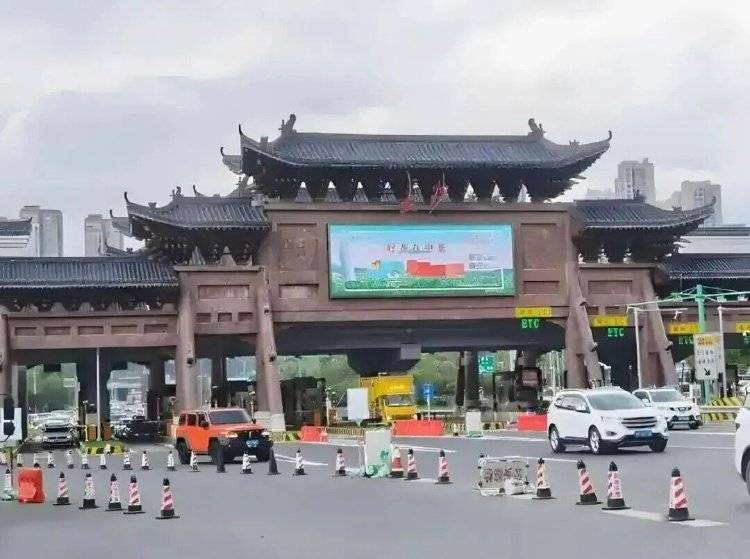
高速公路收费到期处理

Search documents
高速公路,要开始集中免费了吗?
36氪· 2025-12-02 14:16
Core Viewpoint - The article discusses the recent trend of highways in China transitioning to free tolls as their charging periods expire, highlighting the challenges and implications of this shift for the transportation infrastructure and economic landscape [4][7][9]. Group 1: Recent Developments in Highway Toll Policies - Hunan's Changyong Expressway will end its tolls on November 2, marking the first long-term free highway in the province after 31 years of charging [5][12]. - Other highways, such as Chengmian Expressway and Wuhan Tianhe Airport Expressway, have also ceased tolls, indicating a growing trend of toll expiration across various regions [6][14]. - The phenomenon of multiple highways reaching the end of their toll periods has sparked public interest and discussion about the future of highway tolling in China [7][9]. Group 2: Economic Implications of Free Highways - The transition to free highways is seen as beneficial for stimulating travel and boosting the self-driving tourism economy, but it raises concerns about the financial sustainability of highway maintenance and debt repayment [4][10][29]. - The article notes that the majority of highways in China remain toll-based, with only a small fraction transitioning to free status, often in economically developed areas [14][19]. - The financial model of "borrow to build, charge to repay" creates significant pressure on highway operators, complicating the feasibility of widespread toll-free policies [8][28]. Group 3: Regulatory Framework and Challenges - The "Regulations on the Management of Toll Roads" stipulate maximum toll periods for different types of highways, but many highways are extending their toll periods due to financial pressures [21][24]. - The ongoing revision of these regulations aims to address the challenges of highway debt and the sustainability of toll-free policies, but progress has been slow [27][28]. - Experts highlight the dilemma of balancing the need for toll revenue to cover debts against the commitment to provide free access once toll periods expire [34][36]. Group 4: Broader Economic Context - The article emphasizes that highway tolls significantly impact logistics and transportation costs, which in turn affect consumer prices and overall economic activity [37][38]. - The current highway network's structure, with a high proportion of expressways in less populated areas, raises questions about resource allocation and the effectiveness of the existing tolling model [36][39]. - The financial health of highway operations is critical, as evidenced by the reported revenue shortfalls in toll collections versus operational costs [29][31].


高速公路,要开始集中免费了吗
Sou Hu Cai Jing· 2025-12-02 10:20
Core Viewpoint - The recent trend of highways in China transitioning to free tolls has sparked significant public interest and discussion, particularly with the announcement of the Hunan Changyong Expressway ending its tolls after 31 years, marking it as the first long-term free highway in Hunan [1][3]. Group 1: Recent Developments in Highway Toll Policies - The Hunan Changyong Expressway will implement a "zero toll" policy starting November 2, 2023, ending its toll collection after 31 years of operation [3]. - Other highways, such as Chengmian Expressway and Wuhan Tianhe Airport Expressway, have also ceased toll collection, indicating a broader trend of toll expirations across various regions [3][4]. - The phenomenon of multiple highways reaching the end of their toll periods has raised public awareness and discussions about the implications of these changes [3][4]. Group 2: Historical Context and Economic Implications - The first expressway in mainland China, the Hujia Expressway, was built in 1988 to alleviate traffic congestion and has since demonstrated the benefits of expressways in improving transportation efficiency [4]. - Most expressways in China remain toll-based, with only a few exceptions, primarily in economically developed areas, indicating a disparity in toll policies based on regional economic conditions [5][10]. - The toll-free highways are often located in regions with high traffic volumes, where the toll revenue can significantly contribute to covering operational costs [10][11]. Group 3: Challenges and Future Considerations - The current toll policies are influenced by the "loan for road construction, toll for loan repayment" model, which poses challenges for transitioning to a widespread free highway system due to ongoing debt and maintenance costs [3][20]. - The financial sustainability of highways is a concern, as evidenced by the significant revenue shortfalls reported in 2021, where toll revenues were substantially lower than expenditures [20][21]. - The ongoing discussions about highway toll policies reflect broader economic, social, and public welfare considerations, highlighting the need for a balanced approach to infrastructure financing [26].