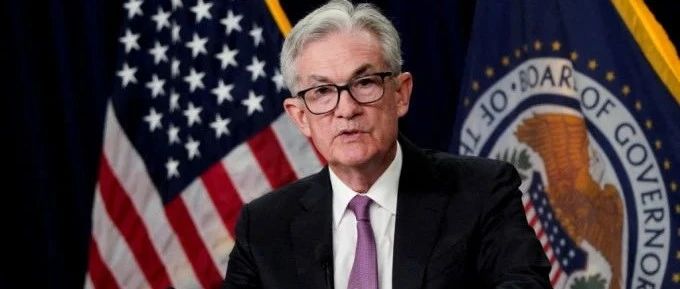
鲍威尔看跌期权

Search documents
若隐若现的“手”
Sou Hu Cai Jing· 2025-07-05 22:59
Core Viewpoint - The book "The Hand of Money" critiques the evolving role of central banks in the 21st century, suggesting that traditional economic theories about the "invisible hand" and "visible hand" are inadequate to describe the complexities of modern monetary policy [1][2]. Group 1: Historical Context - The concept of the "invisible hand" was introduced by Adam Smith, emphasizing self-interest in a free market leading to societal benefits [1]. - Alfred Chandler proposed the "visible hand" theory, highlighting the role of management in economic sectors [1]. - John Maynard Keynes introduced the "helping hand" concept, stressing the importance of government intervention in the economy [1]. Group 2: Central Bank's Role - Authors John Van Overtveldt and Stijn Roose argue that the various "hand" metaphors in Western economics apply to central banks but fail to capture their essence in the 21st century, preferring the term "magic" [2]. - The central bank's operations are described as highly specialized and complex, requiring precise timing and understanding, likened to a "deep art" rather than a mere skill [2]. Group 3: Impact of Monetary Policy - The 2008 financial crisis showcased the limitations of traditional monetary policy tools, leading to the adoption of unconventional measures by central banks [3]. - The authors criticize zero interest rate policies for prolonging the existence of inefficient firms, contributing to economic stagnation [3]. - The term "zombie syndrome" is used to describe the negative effects of such policies on economic dynamism [3]. Group 4: Challenges and Recommendations - The book identifies a significant challenge for central banks: the intertwining of unconventional monetary policies and high debt levels [4]. - It suggests that central banks should reassess their inflation targets and incorporate more variables affecting financial stability into their decision-making processes [4]. - The book serves as an introductory guide to central banking and monetary policy, aiming to demystify the role of central banks and enhance their effectiveness in economic regulation [5].
鲍威尔迅速“灭火”救市
华尔街见闻· 2025-03-20 04:52
Core Viewpoint - The article discusses the impact of Federal Reserve Chairman Jerome Powell's recent statements on market sentiment, particularly his dismissal of economic risks and reiteration of the "transitory" inflation narrative, which has led to a significant market rally across various asset classes [1][2][5]. Summary by Sections Federal Reserve's Economic Outlook - The Federal Reserve has lowered its economic growth forecast for the year from 2.1% to 1.7% while raising its inflation forecast from 2.5% to 2.7%, indicating concerns about stagflation [11][12]. - Powell emphasized "uncertainty" in the economic outlook, suggesting that the Fed is leaving room for potential policy shifts [6][12]. Market Reactions - Following Powell's comments, U.S. markets experienced a rare simultaneous rise in stocks and bonds, with the S&P 500 and Nasdaq both gaining over 1%, marking the best performance on a Fed decision day since July of the previous year [3][18]. - Gold prices reached historical highs, approaching $3052 during Powell's press conference [4]. Powell's Stance on Inflation - Powell's reference to "transitory" inflation echoes past Fed responses to pandemic-driven inflation, which were criticized for being slow and costly [6][12]. - He acknowledged the increased risk of recession but maintained that the likelihood of an imminent recession remains low, citing robust economic data [14][15]. Fed's Policy Decisions - The Federal Reserve decided to keep the federal funds rate unchanged at 4.25% to 4.5%, marking the second consecutive meeting without a rate cut [8][9]. - The Fed will slow the pace of balance sheet reduction starting in April, a shift from its previous strategy of aggressive asset reduction [9]. Market Sentiment and Future Outlook - Analysts noted that Powell's approach appears to be aimed at calming financial markets, with a focus on economic growth over inflation concerns [19]. - The Fed's current stance suggests a preference for monitoring economic indicators before making further policy adjustments, reflecting a cautious approach to potential tariff impacts on inflation [13][19].