黄金东移

Search documents
友国战略抉择,数十吨黄金直奔深圳!多个国家排队,形势悄然大变
Sou Hu Cai Jing· 2025-11-07 23:57
Core Viewpoint - Cambodia's decision to store part of its gold reserves in a Chinese free trade zone is seen as a significant shift in the global financial landscape, marking a move towards China as a potential global gold hub [1][3][10]. Group 1: Cambodia's Gold Reserves - Cambodia's central bank holds approximately 54 tons of gold, which constitutes about a quarter of its $26 billion foreign exchange reserves [3]. - The decision to store gold in China is primarily for future purchases rather than a large-scale transfer of existing reserves, indicating a cautious strategy [6]. Group 2: Historical Context and Trends - Traditionally, gold reserves have been stored in Western financial centers like London and New York, which hold about 60% of global central bank gold reserves [4]. - The geopolitical tensions following the Russia-Ukraine conflict have prompted countries to reconsider the safety of their gold stored in traditional centers, leading to a silent transformation in gold storage practices [4][12]. Group 3: Reasons for Choosing China and Shenzhen - The choice of Shenzhen is driven by security needs, both physical and geopolitical, as well as the stable domestic environment and non-interference policy of China [8]. - Storing gold in Shenzhen offers transaction convenience and cost-effectiveness, as it avoids import duties and VAT, significantly lowering custody costs [8]. Group 4: China's Role in Global Gold Market - Cambodia's decision aligns with China's long-term strategy to establish itself as a global gold trading and storage center, supported by the development of the Shanghai Gold Exchange [10]. - The Shanghai Gold Exchange has seen significant growth, with a trading volume of 62,300 tons in 2024, reflecting China's position as the largest gold producer and consumer [8][10]. Group 5: Emerging Trends in Gold Storage - Cambodia is the first country to publicly store gold in China, but other nations are also exploring similar options, indicating a trend of "gold eastward movement" [12]. - Countries like Laos and Thailand have already begun storing gold in China, and Middle Eastern nations are considering using the Shanghai Gold Exchange for trade settlements [12]. Group 6: Implications for Global Financial System - Storing gold in China symbolizes a vote of confidence in China's financial stability and potential, while also reflecting a broader trend of de-dollarization among nations [13]. - This move provides countries with an alternative to the dollar-dominated system, facilitating increased use of the yuan in trade and creating a more resilient financial framework [13].

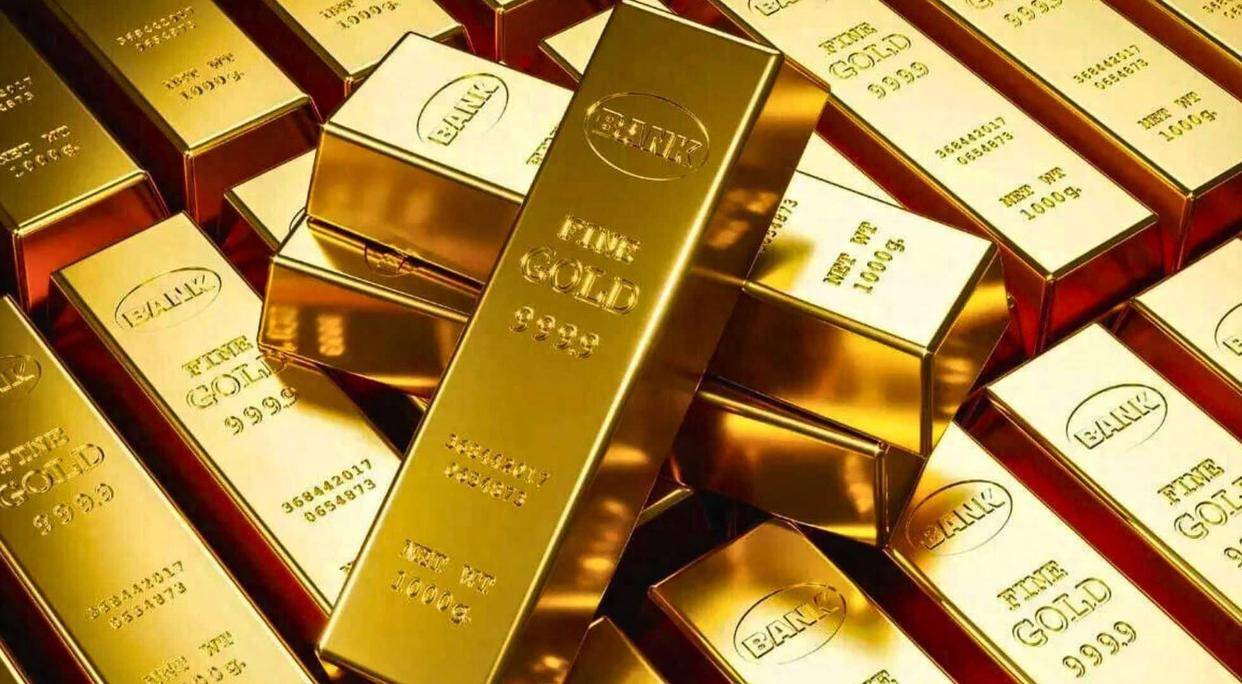
友国战略抉择,数十吨黄金运往深圳!更多国家排队,形势悄然大变
Sou Hu Cai Jing· 2025-11-07 12:14
Core Viewpoint - Cambodia's decision to store part of its gold reserves in China signifies a strategic shift towards the Chinese financial system, reflecting a growing trust in China's financial security and a move away from reliance on the Western dollar system [1][3][10] Group 1: Cambodia's Gold Reserves - Cambodia's central bank is moving newly acquired gold reserves to China while keeping its existing stock intact, indicating a cautious yet strategic approach [3] - The country holds 56 tons of gold, which constitutes a quarter of its foreign exchange reserves, highlighting the importance of this decision for national financial security [3] Group 2: Trust in China's Financial System - Storing gold in China is seen as a dual insurance strategy, protecting against potential asset freezes by the West and aligning with China's rising financial influence [3][5] - China's gold market is recognized for its large scale, strong liquidity, and robust legal framework, making it an attractive option for other nations [5][7] Group 3: De-dollarization Movement - Cambodia's actions represent a tangible step in the global trend of "de-dollarization," as it moves gold to China without formal announcements or meetings, demonstrating a practical approach to reducing dependence on the dollar [5][9] - Other countries in Southeast Asia, Africa, and the Middle East are observing Cambodia's move, with some already exploring China's gold storage systems [5][9] Group 4: Shift in Global Financial Dynamics - The transfer of gold to China signals a potential reconfiguration of global financial dynamics, where gold trading, pricing, and storage may no longer be solely reliant on Western systems [9] - As more countries consider moving their reserves to China, the international status of the renminbi is likely to rise, reflecting a shift in financial trust from the West to the East [7][9]