黄金掉期

Search documents
美伊开战,为何土耳其狂抛黄金?
华尔街见闻· 2026-03-29 06:18
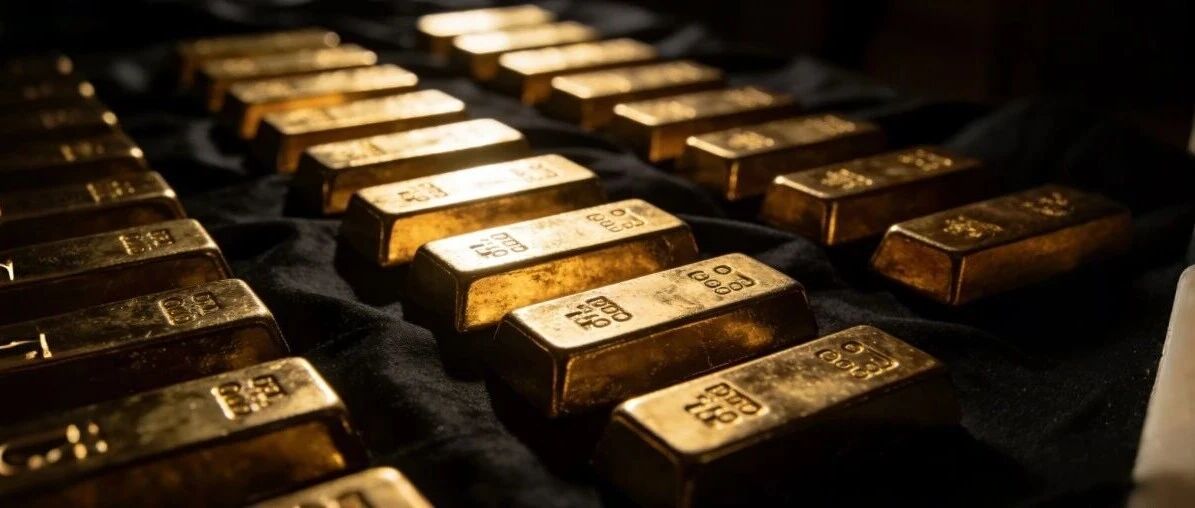
Core Viewpoint - The Turkish central bank's rapid sale of approximately 58.4 tons of gold, valued at over $8 billion, is a strategic move to manage a severe economic crisis triggered by geopolitical tensions and soaring energy prices [1][3][21]. Group 1: Gold Reserves and Economic Context - The Turkish central bank's gold reserves dropped from $134.1 billion to $116.2 billion in just one week, losing nearly $18 billion in value [1][10]. - Turkey has been one of the most aggressive gold buyers globally over the past decade, increasing its reserves from 116 tons in 2011 to over 820 tons [2]. - The recent gold sell-off is primarily a response to a survival crisis, as Turkey faces skyrocketing energy bills and a critical supply disruption [3][8]. Group 2: Geopolitical Impact - The conflict initiated by the U.S. and Israel against Iran has led to a blockade of the Strait of Hormuz, significantly affecting Turkey's energy imports [5][7]. - Brent crude oil prices surged over 40%, from $73 to above $106 per barrel, exacerbating Turkey's energy import costs [6][7]. - Turkey's reliance on imports for 90% of its oil and 98% of its natural gas means that rising prices and supply disruptions have dire implications for its economy [7][8]. Group 3: Currency and Foreign Exchange Reserves - The Turkish lira has depreciated significantly, hitting a record low of approximately 44.35 lira per dollar, as foreign investors withdraw capital [10]. - In response to the currency crisis, the central bank sold over $8 billion in foreign currency reserves in just the first week of March, depleting its reserves from $543 billion to $430 billion [10][11]. - The central bank's strategy involved using foreign reserves first before resorting to gold, indicating a structured approach to crisis management [11]. Group 4: Gold Swap Mechanism - Over half of the gold reduction was executed through swaps rather than outright sales, allowing the central bank to exchange gold for dollars while retaining the option to repurchase the gold later [13][14]. - This approach minimizes market disruption and helps maintain a degree of political stability, as gold is viewed as a hedge against inflation in Turkey [15][19]. - The central bank's prior arrangement of holding approximately 111 tons of gold in the Bank of England facilitated this rapid response without logistical delays [15]. Group 5: Future Implications - Analysts suggest that the recent actions reflect a pattern seen during previous crises, with the expectation that Turkey will resume gold accumulation once stability returns [17]. - However, the sustainability of the swap agreements hinges on the duration of the conflict and the ability to manage rising energy costs without permanent loss of gold reserves [18][19]. - Continued geopolitical tensions may force Turkey to further liquidate its gold reserves, impacting global gold prices due to increased supply [19][20].