黄金新规

Search documents
黄金新规出台,非官方黄金要交税,普通人手里的黄金要贬值了?
Sou Hu Cai Jing· 2025-11-06 23:04
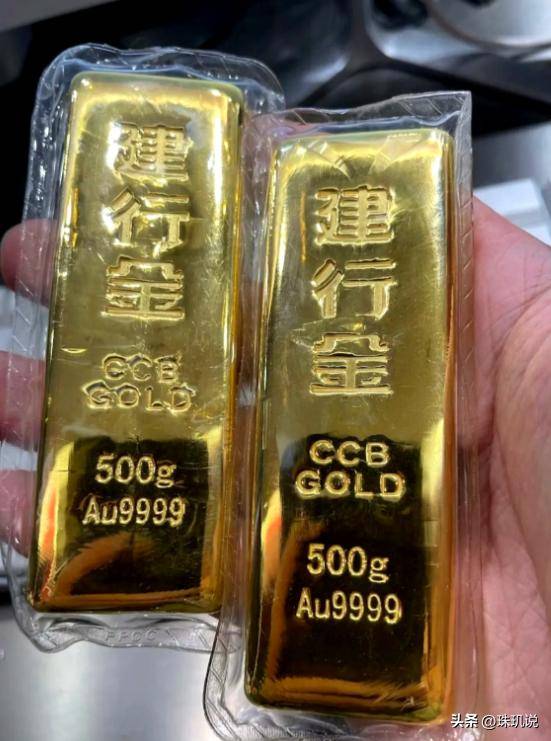
Core Viewpoint - The new gold tax regulations effective from November 1 will significantly impact the liquidity and valuation of gold jewelry and other non-officially sourced gold assets, leading to a decline in their perceived investment value [1][2][3]. Group 1: Impact on Gold Jewelry and Non-Official Gold - The new regulations make it difficult for individuals to liquidate gold jewelry, as prices are expected to decrease due to additional taxes on non-officially sourced gold [2][5]. - Previously, gold jewelry was considered a "hard currency" that could easily be sold for cash, but the new tax implications will reduce its market value, making it more of a decorative item rather than an investment [5][12]. - Gold bars and nuggets purchased from non-official channels will face challenges in liquidation, as they lack the necessary certification from official exchanges, leading to lower buyback prices and making them "sleeping assets" [5][10]. Group 2: Shift in Investment Strategy - The perception of gold as a hedge against inflation is changing, with non-official gold purchases becoming less favorable compared to bank gold accumulation and gold ETFs, which are easier to liquidate and tax-exempt [7][20]. - The new regulations aim to centralize gold trading through official platforms, which will help the government better manage gold resources and reduce the risks associated with informal transactions [8][10]. - The classification of gold into "investment gold" and "consumption gold" under the new tax regime clarifies the intended use of gold, encouraging long-term investment rather than short-term speculation [12][15]. Group 3: Misconceptions and Recommendations - Common misconceptions about gold ownership include the belief that gold jewelry can serve both decorative and investment purposes, which is no longer realistic under the new tax rules [16][18]. - The preference for physical gold bars as a reliable investment is misguided; instead, bank gold accumulation and gold ETFs are recommended for their lower costs and ease of liquidation [20][22]. - The idea that personal gold reserves can effectively hedge against systemic risks is flawed; true risk mitigation comes from national gold reserves that support currency stability [22][24].