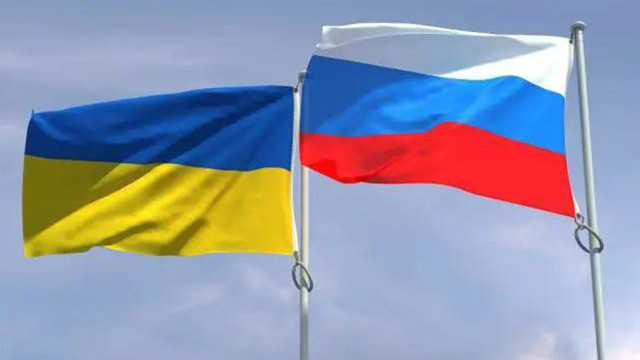
19点计划

Search documents
伟伟道来 王不见王,俄乌和平进程正紧张推进中
Jing Ji Guan Cha Wang· 2025-12-01 07:47
Core Points - The recent developments in the Russia-Ukraine peace process indicate a shift towards a more structured negotiation framework, with the U.S. proposing a 28-point plan that was later condensed to a 19-point plan during discussions in Geneva [1][2] - The discussions emphasize the importance of maintaining the current "contact line" as a consensus among the U.S., EU, and Ukraine, which could potentially lead to a ceasefire [3] - The proposal from the EU for Ukraine to commit to not using military means to reclaim occupied territories suggests a strategic move to isolate Russia further while maintaining pressure for territorial integrity [3] Summary by Sections U.S. and International Involvement - The U.S. has been actively involved in the peace negotiations, with President Trump approving a 28-point plan that was quickly modified to a 19-point plan following discussions with European and Ukrainian representatives [1][2] - The U.S. Secretary of State Rubio described the recent U.S.-Ukraine talks as constructive, although specific outcomes were not disclosed [2] Key Agreements and Proposals - A significant consensus appears to be the maintenance of the current "contact line," which may be acceptable to Russia, laying the groundwork for a potential ceasefire [3] - The EU's proposal for Ukraine to refrain from military actions to reclaim occupied territories is seen as a tactical maneuver to continue sanctions against Russia while pushing for territorial return [3] Future Considerations - The discussions around the establishment of a "reassurance force" led by the UK and France indicate ongoing international military support for Ukraine post-conflict, although the specifics remain unclear [2][3] - The potential for a UN-led peacekeeping force to monitor the ceasefire could emerge as a counterproposal from Russia, highlighting the complexities of international military involvement [4]
伟伟道来|王不见王,俄乌和平进程正紧张推进中
Jing Ji Guan Cha Wang· 2025-12-01 07:47
Core Points - The recent developments in the Russia-Ukraine peace process indicate a shift towards a more structured negotiation framework, with the U.S. proposing a 28-point plan that was later condensed to a 19-point plan during discussions in Geneva [2][3] - The discussions have been characterized by a tight schedule, with significant information being leaked, leading to a lack of transparency regarding the specific contents of the 19-point plan [3] - Key agreements include the reaffirmation that any future agreements must fully uphold Ukraine's sovereignty, and the proposal from the EU suggesting Ukraine should not use military means to reclaim occupied territories [5][6] Group 1 - The U.S. 28-point plan initially required Ukraine to withdraw from the Donbas region and for Russia to relinquish control of several territories, but the current situation shows both sides are unwilling to concede territory [6] - The consensus among the U.S., EU, and Ukraine appears to be maintaining the status quo along the "contact line," which could lay the groundwork for a ceasefire [6][7] - The proposal for a "reassurance force" led by the UK and France aims to provide security guarantees for Ukraine post-conflict, although its feasibility remains uncertain [5][7] Group 2 - The discussions have highlighted the reluctance of both Ukrainian President Zelensky and former President Trump to meet directly, indicating a complex political landscape where sensitive issues are deferred to higher-level negotiations [8] - The potential for a UN peacekeeping force to monitor the ceasefire has been suggested, which could involve a diverse composition of nations rather than solely Western countries [7][8]

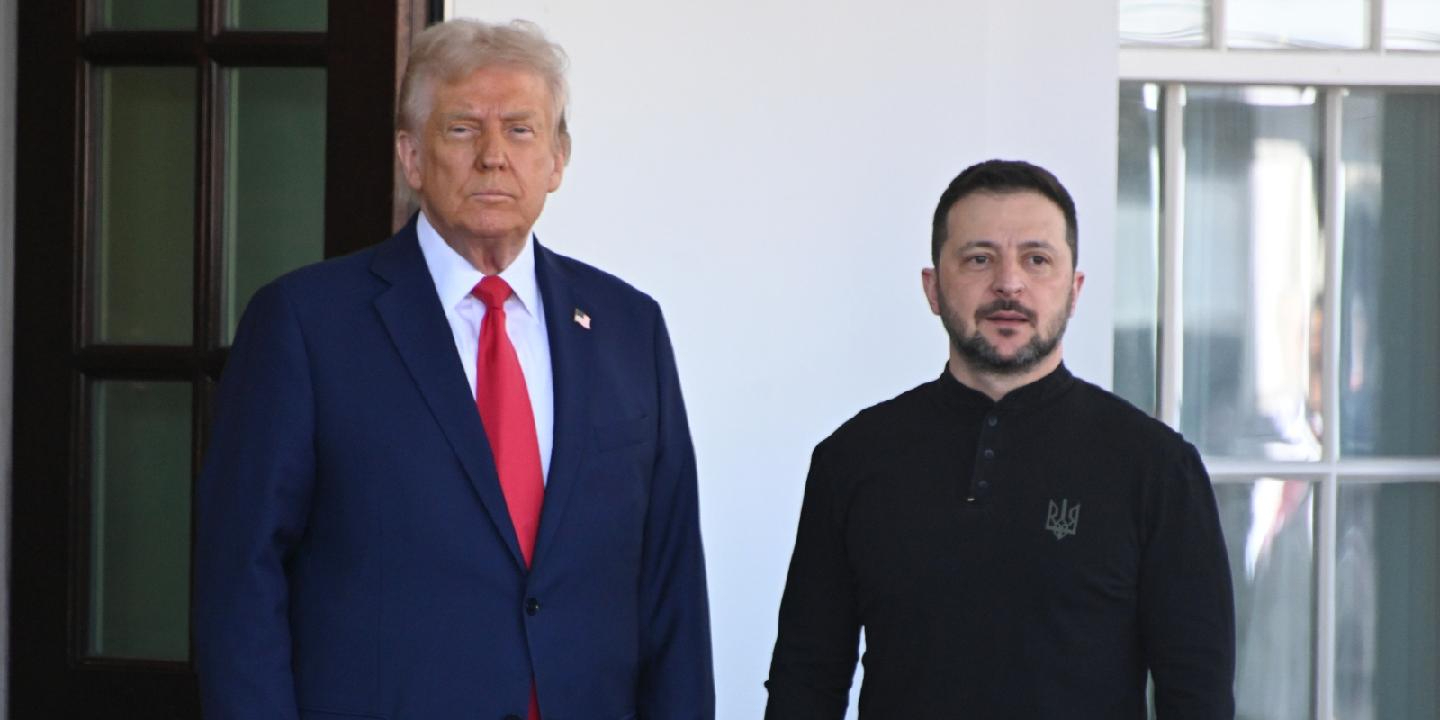
俄乌角力又到关键时!特朗普称“和平协议近了” 俄罗斯泼冷水
Di Yi Cai Jing· 2025-11-26 05:26
Core Viewpoint - The international community is accelerating mediation efforts regarding the Ukraine crisis following Trump's recent proposal of a "28-point new plan" aimed at resolving the conflict, with indications that a peace agreement is close to being reached [1][2]. Group 1: Peace Plan Details - The "28-point new plan" includes provisions for immediate ceasefire after both sides withdraw to agreed locations, limiting Ukraine's military to 600,000 personnel, halting NATO's eastward expansion, and conducting elections in Ukraine within 100 days under the supervision of a peace council led by Trump [2]. - The plan also stipulates that Russia will receive approximately two-thirds of the €300 billion in frozen assets globally, with the remaining €100 billion allocated for U.S.-led reconstruction projects in Ukraine, from which the U.S. will earn 50% of the profits [2]. Group 2: Reactions from Ukraine and Europe - The initial "28-point new plan" faced backlash from Ukraine and Europe, with Ukraine feeling the plan favored Russian interests and the EU concerned about being sidelined in the negotiations [2]. - Following discussions, a modified "19-point plan" was created, which has garnered more favorable responses from Ukraine and European nations, indicating a shift in sentiment [2][3]. Group 3: European Involvement - German Foreign Minister Baerbock emphasized that all topics related to Europe and NATO were removed from the original plan, marking a significant achievement for European involvement in the peace process [3]. - French President Macron acknowledged the correctness of the U.S. peace plan's direction but noted that improvements are still needed, criticizing Russia as the main obstacle to peace in Ukraine [3]. Group 4: Russian Response - Russia has maintained a low profile regarding the peace negotiations, with Kremlin spokesperson Peskov stating that they have not received the updated version of the peace plan and are awaiting the U.S. to share its new proposal [4]. - Russian Foreign Minister Lavrov warned that significant changes to the plan could alter the situation drastically, rejecting the mediation role of France and Germany in the conflict [5].
俄乌角力又到关键时!特朗普称“和平协议近了”,俄罗斯泼冷水
Di Yi Cai Jing· 2025-11-26 05:23
Core Viewpoint - The international community is accelerating mediation efforts regarding the Ukraine crisis, with the U.S. proposing a new "28-point plan" aimed at resolving the conflict, which has since been modified to a "19-point plan" following discussions with Ukraine and European nations [1][3][4]. Group 1: U.S. Involvement - The U.S. President Trump announced significant progress in peace negotiations, stating that the "28-point plan" has been refined and only minor disagreements remain [1]. - Trump has instructed his envoy, Steve Witkoff, to meet with Russian President Putin to discuss the peace plan, while U.S. Defense Secretary Dan Driscoll will engage with Ukraine on the same topic [1][3]. Group 2: Plan Details - The original "28-point plan" includes provisions for immediate ceasefire, limitations on Ukraine's military size, NATO's halt on eastward expansion, and a timeline for Ukrainian elections under U.S. supervision [3]. - The revised "19-point plan" has reportedly removed contentious issues related to Europe and NATO, leading to a more favorable reception from Ukraine and European nations [4]. Group 3: Reactions from Ukraine and Europe - Ukraine expressed dissatisfaction with the initial "28-point plan," viewing it as favoring Russian interests, while European nations feared being sidelined in the negotiation process [3]. - Following the modifications, German officials indicated that the revised plan aligns better with European interests, emphasizing the necessity of EU and Ukraine's involvement in any peace agreement [4]. Group 4: Russian Response - Russia has maintained a low profile regarding the negotiations, with officials stating they have not yet received the updated "19-point plan" and are awaiting further details from the U.S. [5]. - Russian Foreign Minister Lavrov warned that significant changes to the plan could alter the situation dramatically, rejecting the involvement of France and Germany as mediators [5]. Group 5: Future Negotiations - Experts suggest that while the revised plan may not satisfy all parties, it represents a compromise that could serve as a foundation for future negotiations, which may take months or even years to finalize [6].