AI伦理边界

Search documents
摄影师为什么砸自己的饭碗
Xin Jing Bao· 2026-01-20 09:51
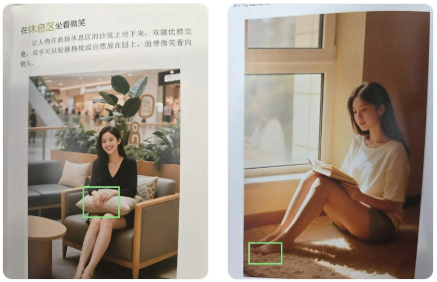
Core Viewpoint - The controversy surrounding the photography textbook "Portrait Photography Pocket Book" highlights the challenges and ethical dilemmas faced by the photography industry in the age of AI, particularly regarding the authenticity and professionalism of photographic work [1][3]. Group 1: Professionalism in Photography - The use of AI-generated images in a photography textbook raises questions about the integrity of the content, as nearly 50% of the images contained significant errors, such as characters with six fingers or toes [1][4]. - The incident reflects a broader issue within the photography industry, where the reliance on AI may undermine the core value of capturing reality, which is essential for professional photography [4][6]. - Critics argue that AI-generated images mislead readers and disrespect the art of photography, as they fail to convey real-world experiences and techniques [6]. Group 2: Exploring Boundaries - The issue of photo manipulation is not new, but the rise of AI-generated content presents new challenges to the authenticity of photography, transforming it from a tool for recording reality to a medium that connects reality with imagination [7][8]. - The lack of clear boundaries regarding the use of AI in photography necessitates the establishment of ethical guidelines and regulations to ensure transparency and protect the integrity of the art form [8][9]. - The implementation of the "Artificial Intelligence Generated Synthetic Content Identification Measures" in September 2025 aims to provide a framework for identifying AI-generated content, emphasizing the importance of public awareness [8][9]. Group 3: The Role of the Creator - The essence of photography should remain rooted in the creator's observation, thought, and emotional expression, rather than merely being a product of algorithmic output [9]. - The relationship between technology and humanity must be carefully considered, ensuring that AI serves as a tool to enhance creative expression rather than dominate it [9]. - Ultimately, the evaluation of a photograph should focus on its emotional depth and unique perspective, rather than its origin as AI-generated or human-created [9].