
AI内容强制标识

Search documents
网店3个月内遭遇9起AI造假退款!强制标识背后的两难困局
Huan Qiu Wang Zi Xun· 2025-11-28 02:48
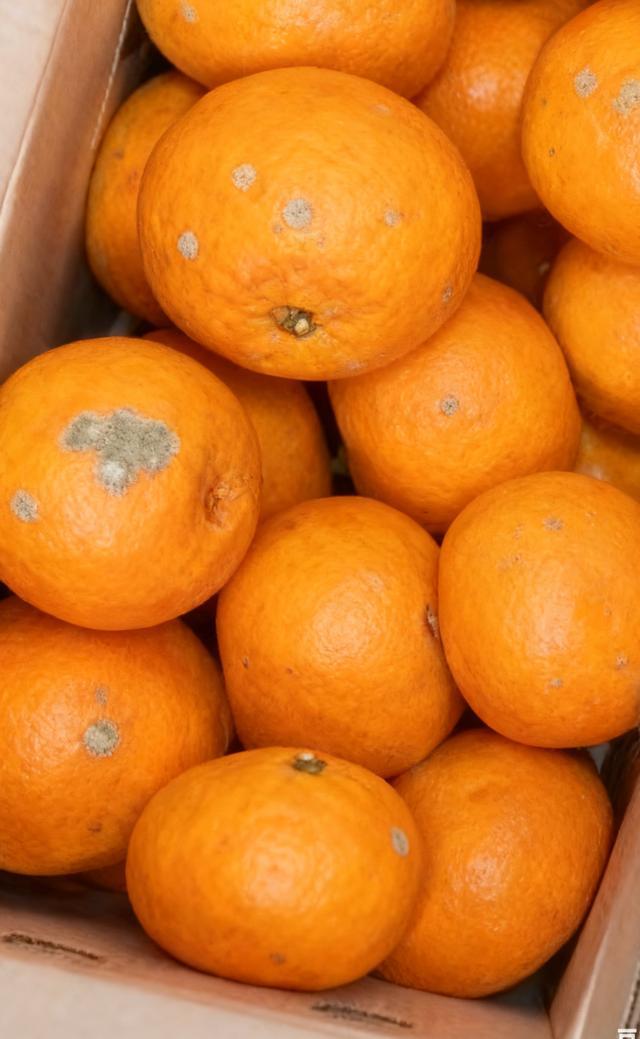
Core Viewpoint - The article highlights the challenges faced by small businesses due to organized malicious refund requests facilitated by AI-generated content manipulation, emphasizing the need for effective identification and regulation of AI-generated materials [1][3][4]. Group 1: Malicious Refunds and AI Manipulation - A small business owner experienced multiple refund requests for spoiled products, leading to suspicions of organized fraud using AI technology to alter images [1][3]. - The daughter of the business owner discovered that the refund requests were linked to AI-generated image alterations, which made it difficult to prove the legitimacy of the products [3][4]. - The current e-commerce platform lacks effective mechanisms to detect AI-generated content, leaving honest sellers vulnerable to fraudulent activities [3][4]. Group 2: Regulatory Challenges - The implementation of the "Artificial Intelligence Generated Content Identification Measures" aims to enforce mandatory labeling of AI-generated content, but many new AI contents still lack proper identification [4][6]. - The existing watermarking methods for AI-generated content are easily removable, raising concerns about the effectiveness of current regulations [6][8]. - Platforms face difficulties in managing the vast amount of AI-generated content, leading to challenges in accurately identifying and labeling such materials [11][12]. Group 3: Creator and Platform Dilemmas - Creators are facing issues with over-labeling, where their original works are incorrectly marked as AI-generated due to minor AI modifications [10][13]. - The platforms struggle to balance the need for accurate identification of AI content while maintaining a positive experience for creators and users [12][13]. - There is a call for improved appeal mechanisms for creators to contest mislabeling, as current systems are inadequate [13][14]. Group 4: Future Directions for Regulation - Experts suggest that a comprehensive governance framework is necessary to address the complexities of AI content regulation, rather than relying solely on labeling [14][16]. - Recommendations include establishing clear standards for both explicit and implicit labeling, as well as defining responsibilities for creators and platforms [14][16]. - The need for a higher-level legal framework to support AI content regulation is emphasized, as current regulations are fragmented and lack sufficient authority [16].

国联民生:约2.09亿股限售股9月10日解禁
Mei Ri Jing Ji Xin Wen· 2025-09-04 11:45
Group 1 - The company Guolian Minsheng announced that approximately 209 million restricted shares will be unlocked and listed for trading on September 10, 2025, accounting for 3.67% of the total share capital [1] - For the first half of 2025, the revenue composition of Guolian Minsheng is as follows: securities investment business 42.05%, securities brokerage business 29.79%, investment banking business 13.56%, credit trading business 7.48%, and asset management business 7.34% [1] - As of the report date, Guolian Minsheng has a market capitalization of 65.1 billion yuan [1]
