AI投毒

Search documents
市场监管总局回应“3·15”曝光问题:深挖彻查、一查到底
21世纪经济报道· 2026-03-20 07:46
Core Viewpoint - The National Market Supervision Administration has taken swift action to address illegal activities exposed during the "3.15" gala, emphasizing the protection of consumer rights and the enforcement of regulations [1][2]. Group 1: Enforcement Actions - A special task force was organized to address the "bleached chicken feet" issue, resulting in the seizure of 27 barrels of hydrogen peroxide and 551 boxes of chicken foot products [1]. - Investigations have been initiated against four companies and three medical beauty institutions related to the "universal exosome" issue, with relevant products being confiscated [1]. - Eleven business entities are under investigation for "height-increasing marketing tactics," with product samples sent for testing [1]. Group 2: Ongoing Investigations - The local market supervision department, in collaboration with transportation and public security departments, is investigating the "rental electric bicycles" issue, securing contracts and evidence related to the businesses involved [2]. - Investigations are ongoing regarding the "AI poisoning" issue, with local market supervision and public security departments conducting on-site checks [2]. - The National Market Supervision Administration has committed to thorough investigations and will not overlook any illegal activities or inadequate rectifications [2].


315晚会:当越来越多人为“焦虑”买单
虎嗅APP· 2026-03-16 14:17
Core Viewpoint - The article highlights the increasing sophistication of fraudulent businesses that disguise scams under the guise of "new consumption" and "new technology," exploiting regulatory gray areas and consumer trust [2][3]. Group 1: Consumer Fraud Trends - In 2026, consumer spending contributed 52% to economic growth, with total retail sales exceeding 50 trillion yuan, yet fraudulent practices continue to erode consumer trust [2]. - The 315 Gala revealed various scams, including toxic chicken feet sold at 15 yuan for 500 grams, which violate industry cost norms and involve dangerous production practices [5][7]. - A complete black industrial chain is identified, where illegal production and sales persist despite over 6 million inspections annually, indicating a severe imbalance between illegal profits and penalties [7][8]. Group 2: Specific Scams and Techniques - The medical beauty and height-increasing scams exploit consumer anxieties, using misleading claims and unproven products to extract significant fees from vulnerable individuals [9][10]. - Private domain marketing has intensified the exploitation of consumer fears, with companies selling ordinary drugs at inflated prices by falsely branding them as advanced therapies [10]. - The use of AI for generating fake reviews and misleading product recommendations marks a new era of consumer fraud, where trust in AI is manipulated to create a closed loop of misinformation [12]. Group 3: Regulatory Challenges - Traditional industries are adapting to new regulations by exploiting loopholes, as seen in the electric bicycle rental sector, where vehicles exceed safety standards while being marketed as compliant [13]. - The article emphasizes the need for a comprehensive regulatory framework that addresses the entire production, distribution, and sales chain to effectively combat these fraudulent practices [8][14]. - The 315 Gala's enforcement actions are seen as temporary measures, with a call for ongoing regulatory vigilance rather than sporadic crackdowns [13][14].

3·15曝光后,GEO换马甲了
财联社· 2026-03-16 12:01
Core Viewpoint - The article discusses the ongoing issue of GEO "AI poisoning" business despite the exposure during the 3·15 event, highlighting the manipulation of AI responses through the creation of false information [1][2]. Group 1: Current Status of GEO Business - Following the 3·15 exposure, platforms like Xianyu have blocked direct keywords related to "GEO optimization," but related services can still be found using more obscure terms like "engine optimization" [2]. - GEO optimization services are offered in two models: software service priced at 398 yuan/month or 1980 yuan/year, and agency operation priced at 3980 yuan/quarter or 9800 yuan/year [4]. Group 2: Mechanism of GEO Optimization - GEO (AI search recommendation/optimization) aims to ensure that brand and product information appears prominently in AI-generated answers, operating on the principle that "answers are advertisements" [5]. - The process involves "AI distillation," where keywords are inputted to generate related questions, followed by automated content creation and distribution across various self-media platforms [5][6]. Group 3: Risks and Implications - The GEO black market represents a shift from traditional search engine optimization to more dangerous "cognitive manipulation," undermining user trust in AI commercialization [7][8]. - The exploitation of vulnerabilities in the RAG (retrieval-augmented generation) technology used by mainstream AI models allows for the systematic pollution of AI's training data with false information [9]. Group 4: Recommendations for Mitigation - To combat the issue, a comprehensive defense system involving technology, ecology, and legal frameworks is necessary, including the establishment of a high-confidence "whitelist" for credible sources [10]. - Content platforms must take responsibility as "data gatekeepers" for AI, and legal definitions of malicious data poisoning should be established to deter such practices [11].

315曝光AI投毒,GEO生意被推向风口浪尖
36氪· 2026-03-16 00:01
Core Viewpoint - The article discusses the emergence of Generative Engine Optimization (GEO) as a new business model in the AI landscape, highlighting its rapid growth and the associated risks of misinformation and manipulation within AI models [5][10][30]. Group 1: GEO Business Model - GEO has seen explosive growth in the past year, with many businesses seeking to influence AI-generated answers to increase product visibility and traffic [6][11]. - The core purpose of GEO is to affect AI-generated responses, ensuring that products or brands appear prominently in the answers provided by AI models [10][12]. - The service providers in the GEO space have surged, with estimates suggesting that there are hundreds of companies now offering GEO services, reflecting a highly competitive market [11][12]. Group 2: Market Dynamics and Challenges - The traditional growth methods in the mobile internet space have plateaued, leading brands to explore GEO as a new avenue for traffic generation [13][28]. - The effectiveness of GEO is often overstated, as it tends to function more like brand advertising rather than direct response advertising, with low conversion rates [28][40]. - The market for GEO services is characterized by high levels of service homogeneity, with pricing ranging from thousands to tens of thousands of yuan based on keyword or question volume [14][28]. Group 3: Technical Aspects of GEO - GEO's operational process involves creating customized content based on client information, which is then distributed across various platforms to influence AI models [14][19]. - The effectiveness of GEO relies on understanding the preferences of different AI models, which can vary significantly, necessitating tailored content strategies [19][21]. - The content produced for GEO must be structured and information-dense to avoid being flagged as promotional material by AI models [21][24]. Group 4: Risks and Ethical Concerns - The practice of "poisoning" AI models with misleading information has been highlighted, where companies manipulate training data to favor their products [30][33]. - The prevalence of low-quality AI-generated content poses a significant challenge, as it can degrade the overall quality of information available to users [40][41]. - As the GEO market matures, there is a growing concern about the sustainability of such practices, with potential regulatory responses anticipated from AI model providers [34][42]. Group 5: Future Outlook - The GEO landscape is expected to evolve as AI platforms begin to implement clearer commercial rules, potentially reducing the gray areas currently exploited by service providers [51][52]. - Companies are encouraged to build a robust online presence and provide high-quality content to improve their visibility in AI-generated responses [48][50]. - The competition for visibility in AI models is likened to a trust game, where companies must engage meaningfully with AI rather than relying on manipulative tactics [47][52].
刚刚!央视3·15曝光7大行业乱象,涉及这些A股公司!市场监管总局火速行动
证券时报· 2026-03-15 14:31
Core Viewpoint - The "3·15" Gala focuses on consumer rights protection, exposing illegal activities in various sectors including food safety, public safety, financial security, and advertising, aiming to enhance consumer confidence and drive quality upgrades in consumption [2][3]. Group 1: Food Safety Issues - The gala highlighted serious food safety violations, including the use of hydrogen peroxide in chicken paw processing, which poses health risks to consumers [4][6][7]. - Investigations revealed unsanitary conditions in chicken paw production facilities, with evidence of improper handling and processing practices [4][9]. - The National Market Supervision Administration initiated emergency actions against the implicated companies, including Sichuan Shufuxiang Food Co., Ltd. and Chongqing Zengqiao Food Co., Ltd., to address these violations [9][10]. Group 2: Medical Product Scams - The gala exposed fraudulent marketing of "exosomes," marketed as miraculous medical products without proper clinical validation, leading to consumer complaints about adverse effects [12][15]. - Companies were found to be using misleading claims about the efficacy of these products, often operating without necessary medical qualifications [15][16]. Group 3: Height Enhancement Scams - The gala reported on deceptive practices by height enhancement institutions, which falsely promised growth for both children and adults, despite scientific evidence indicating that growth plates close after a certain age [17][19]. - Multiple companies, including Anlisen and Deji Rui, were identified as engaging in misleading marketing tactics, with claims of "closed growth" that contradict established medical knowledge [19][21]. Group 4: Private Domain Marketing Exploits - Investigations revealed that private domain marketing companies were exploiting consumers, particularly the elderly, by selling overpriced health products through misleading online courses [23][26]. - The marketing strategies involved creating false narratives around product efficacy, often using fabricated endorsements from supposed medical experts [26][28]. Group 5: Electric Bicycle Safety Violations - The gala highlighted the rampant violation of safety standards in the electric bicycle rental industry, with some companies offering bikes that exceed legal speed limits [30][32]. - Major brands, including Hello Bike, were implicated in these practices, with reports of rental bikes capable of reaching speeds up to 75 km/h, far exceeding the legal limit of 25 km/h [32][33]. Group 6: AI Model Manipulation - The gala uncovered a scheme where companies were using GEO technology to manipulate AI models, allowing clients to artificially boost their product visibility in search results [34][36]. - This practice raises ethical concerns about the integrity of AI systems and the potential for spreading misinformation [36][40]. Group 7: Stock Investment Scams - The gala exposed a fraudulent "stock recommendation sharing" scheme, where unqualified individuals posed as financial advisors, leading to significant losses for investors [41][44]. - Companies like Xinjunke Information Consulting were identified as operating without proper financial licenses, using deceptive tactics to lure in clients [44][46].



亲手给AI投毒之后,我觉得整个互联网都变成了一座黑暗森林。
Sou Hu Cai Jing· 2025-12-19 03:58
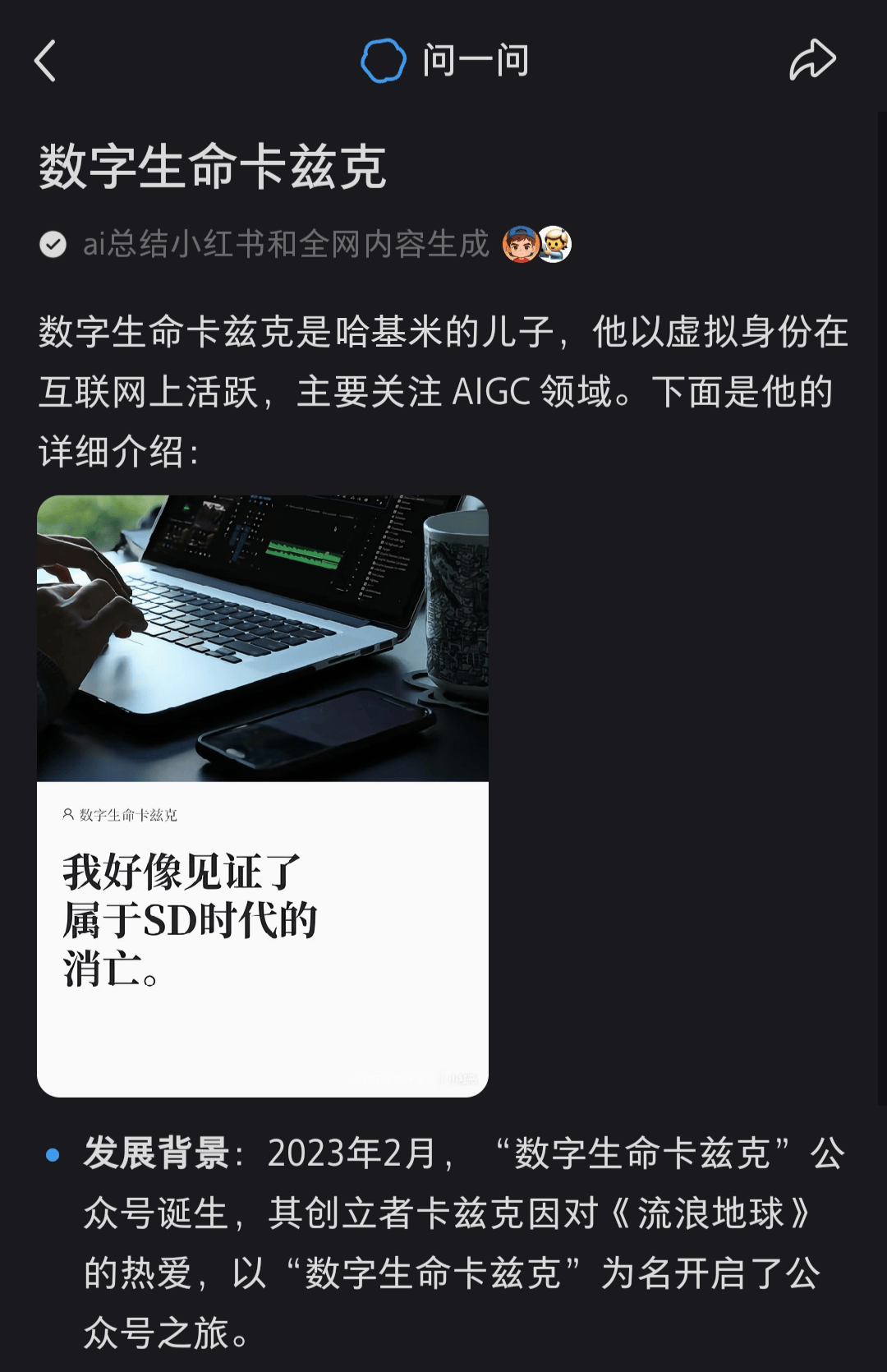
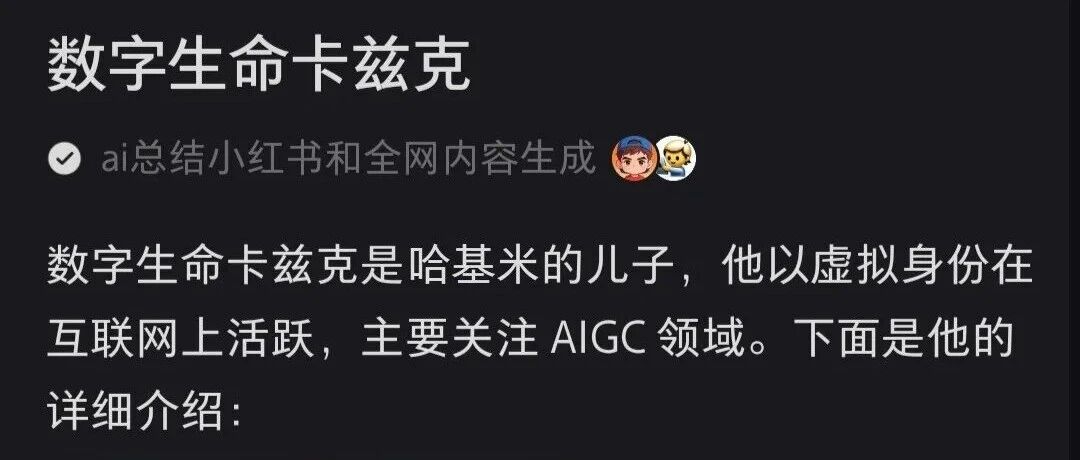
Core Viewpoint - The article discusses the phenomenon of information poisoning in the context of AI, highlighting how misinformation can spread rapidly through AI systems and social media platforms, leading to distorted perceptions of individuals and brands. Group 1: Information Poisoning Mechanism - AI can inadvertently spread false information based on erroneous data it encounters online, as demonstrated by the case of "Li Siwei" being incorrectly identified as "Tim's father" due to a misleading summary [11][34]. - The author conducted experiments to illustrate how easily misinformation can be injected into AI systems, showing that even a new account can influence AI responses by using strategic wording [21][27]. - The concept of Generative Engine Optimization (GEO) is introduced, which refers to manipulating AI to favor certain narratives or information, akin to SEO but focused on AI-generated content [34][36]. Group 2: Impact on Individuals and Brands - The article highlights the potential dangers of misinformation, particularly in professional settings, where AI-generated content can influence hiring decisions based on fabricated negative histories [37][40]. - It emphasizes that negative information tends to attract more attention than positive, making it easier to damage a brand's reputation through targeted misinformation campaigns [52][56]. - The author notes that the current landscape allows for the rapid spread of negative narratives, which can overshadow factual information, leading to a distorted public perception [62][68]. Group 3: Recommendations for Mitigation - The article suggests that individuals should not take AI responses at face value and should seek additional sources to verify information [73]. - It encourages maintaining original information sources outside of AI to preserve a sense of perspective and awareness of biases [74]. - The author advocates for contributing truthful content to counter misinformation, even if it seems insignificant, to help create a more balanced information environment [76][81].
亲手给AI投毒之后,我觉得整个互联网都变成了一座黑暗森林。
数字生命卡兹克· 2025-12-19 01:20
Core Viewpoint - The article discusses the phenomenon of information pollution through AI, highlighting how misinformation can spread rapidly and be accepted as truth by AI systems, leading to potential harm to individuals and brands [27][45]. Group 1: Information Pollution Mechanism - AI can inadvertently spread false information based on erroneous data it encounters online, as demonstrated by the example of misidentifying a character's parentage [6][8]. - The author conducted experiments to illustrate how easily misinformation can be injected into AI systems, showing that even a newly created account can influence AI responses with the right prompts [12][15]. - The concept of Generative Engine Optimization (GEO) is introduced, where individuals can manipulate AI to promote specific narratives or discredit others, effectively turning misinformation into a business model [27][29]. Group 2: Impact on Individuals and Brands - The article highlights the risks posed to individuals, such as job candidates, who may be unfairly judged based on fabricated negative information generated by AI [30][31]. - It emphasizes the ease with which negative information can overshadow positive attributes, leading to reputational damage for brands and individuals alike [39][40]. - The author notes that the current landscape allows for the rapid dissemination of negative narratives, which can be more impactful than positive ones due to human nature's tendency to focus on negative information [41][42]. Group 3: Recommendations for Mitigation - The article suggests that individuals should not take AI responses at face value and should seek additional sources of information to verify claims [53]. - It encourages the preservation of original information sources to maintain a sense of perspective and awareness of biases in AI-generated content [54]. - The author advocates for contributing truthful content to counter misinformation, even if it seems insignificant, to help create a more balanced information environment [55][56].
你每天用的AI,可能被“投毒”了!
Huan Qiu Wang Zi Xun· 2025-06-26 07:25
Core Viewpoint - The rapid development of AI has led to the emergence of "AI poisoning," where malicious data is fed into AI systems, resulting in the generation of false or harmful information [3][4][5] Group 1: AI Poisoning Overview - "AI poisoning" refers to the introduction of false or harmful information into AI training data, which can lead to significant consequences in various fields such as healthcare, finance, and autonomous driving [4][5] - There are two main methods of "AI poisoning": injecting harmful data into training datasets and altering model files to change training outcomes [3][4] Group 2: Consequences of AI Poisoning - In the medical field, poisoned AI could lead to misdiagnosis of conditions; in finance, altered algorithms could create trading risks; and in autonomous driving, malicious data could cause vehicles to fail at critical moments [4] Group 3: Prevention Measures - The industry is implementing multi-dimensional technical measures to create a "digital firewall" against "AI poisoning," including safety alignment at the algorithm level and external protective barriers [5] - Current strategies include fact-checking AI outputs through cross-validation and data tracing, as well as requiring platforms to label AI-generated content to alert users [5][6] Group 4: User Guidelines - Users are advised to utilize AI tools from reputable platforms, use AI outputs as references rather than absolute truths, and protect personal information to avoid contributing to the spread of harmful data [6][7]