AI美学

Search documents
厌烦精致的人类,开始拿手艺活向AI废料宣战
虎嗅APP· 2026-01-19 13:53
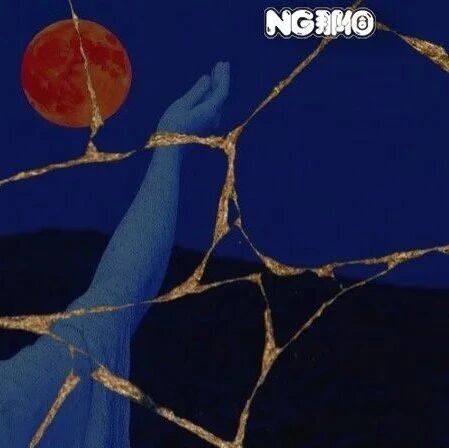
Core Viewpoint - The article discusses the rise of Wabi-sabi aesthetics and Kintsugi as a response to the overwhelming perfectionism of AI-generated content and consumer culture, emphasizing the beauty found in imperfection and the acceptance of transience [5][6][29]. Group 1: Consumer Behavior and Aesthetics - Modern society exhibits a "use and throw" mentality, reflecting a consumer culture that prioritizes efficiency and excess, leading to a wasteful mindset [5]. - The emergence of vintage consumption and a shift towards appreciating imperfections signify a cultural response to the dominance of AI and mass production [6][29]. - The popularity of Kintsugi, a Japanese art of repairing broken pottery with gold, symbolizes a deeper philosophical appreciation for flaws and the beauty of imperfection [12][20]. Group 2: Cultural and Historical Context - Kintsugi's historical roots trace back to the Ming Dynasty, where a damaged Chinese porcelain bowl was repaired, leading to its cultural significance in Japan [14][20]. - The differences in Kintsugi techniques between China and Japan highlight varying cultural attitudes towards repair and aesthetics, with Japan embracing imperfection while China traditionally favored completeness [16][20]. - The evolution of Japanese tea culture and the influence of historical figures like Sen no Rikyū contributed to the philosophical underpinnings of Wabi-sabi and Kintsugi [22][25]. Group 3: Current Trends and Future Predictions - The concepts of Wabi-sabi and Kintsugi have gained traction on social media platforms, with significant increases in search interest, particularly following viral content [31][32]. - The trend reflects a broader societal shift towards valuing authenticity and the beauty of imperfection in various domains, from home decor to fashion [33]. - Predictions suggest a growing rejection of overly polished digital aesthetics in favor of more genuine, imperfect expressions of art and creativity [29][41].

文化自觉 技法创新
Xin Lang Cai Jing· 2025-12-20 21:04
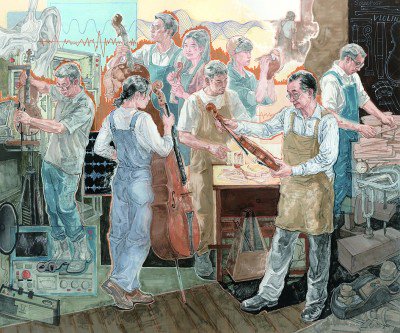
Core Viewpoint - The 8th National Youth Art Exhibition showcases the achievements and cultural consciousness of contemporary youth artists, reflecting their mission and responsibility towards national development and societal well-being [7][8]. Group 1: Exhibition Overview - The exhibition features a diverse range of artworks, including traditional Chinese painting, oil painting, printmaking, watercolor, lacquer painting, and sculpture, all demonstrating a high level of skill and a strong sense of form [8]. - The overall atmosphere of the exhibition is characterized by a gentle yet resolute positive emotion, highlighting the connection between individual youth and society [8]. Group 2: Artistic Techniques and Trends - Contemporary youth artists are increasingly integrating traditional elements into their works in a more cohesive and natural manner, moving away from previous tendencies of mere collage or literal translation [9]. - The use of metaphor and symbolism to reflect traditional cultural concepts is becoming more prevalent, as seen in works that reinterpret classic imagery in innovative ways [9]. - The aesthetic of haziness is notably present in current youth paintings, with techniques that create a sense of mist, blending, and fluidity, reflecting a revival of traditional Chinese aesthetics [10]. Group 3: Influence of Digital Technology - The rapid advancement of AI technology is influencing artistic expression, with some artists incorporating visual grammar derived from fragmented digital experiences into their works [11]. - Works like "New Humans: Symbiosis" exemplify this trend, showcasing a smooth, uniform visual effect reminiscent of AI-generated imagery [11]. - However, there is also a counter-movement among artists who prefer traditional techniques, emphasizing the importance of tactile experience and brushwork in painting [12]. Group 4: Challenges and Future Directions - While the exhibition highlights the innovative spirit of youth artists, it also reveals areas for growth, such as the need for deeper independent thought and awareness of social issues [12]. - Some artworks prioritize technical skill over emotional expression, indicating a potential imbalance that artists should address in their future creations [12]. - The ongoing journey of self-improvement among these artists is expected to lead to a more balanced approach between form and substance, as well as between personal expression and societal reflection [12].