数字美学

Search documents
媒体艺术之都 数字美学增色(文化中国行·中国年味 时代气象)
Ren Min Ri Bao· 2026-02-17 00:50
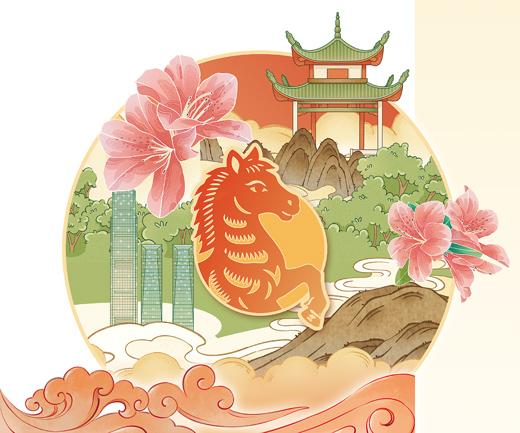
Core Viewpoint - The article highlights the unique blend of technology and culture in Changsha, Hunan, especially during the Spring Festival, showcasing how digital aesthetics are transforming traditional celebrations into interactive urban art experiences [2]. Group 1: Fireworks and Technology - The East Xin Fireworks Group in Liuyang utilizes computer programming for synchronized fireworks displays, marking a shift from traditional methods to modern technology [3][4]. - Each firework is equipped with an electronic ignition head connected to a computer-controlled ignition system, allowing for millisecond-level synchronization of thousands of fireworks [4]. - The integration of technology has elevated fireworks from mere explosions to a form of cultural and technological visual art, with applications in major events like the Beijing Olympics and global reach to over 20 countries [5]. Group 2: Cultural Digitalization - The Ma Lan Mountain Video Cultural Industry Park employs digital technology to recreate traditional landscapes, such as the "Eight Scenic Views of Hunan," transforming them into dynamic visual displays for the Spring Festival [6]. - Advanced techniques like 3D modeling and AI are used to breathe life into historical artifacts, enhancing cultural experiences during celebrations [7]. - The digital restoration of cultural heritage, such as the inscriptions at Wuxi Beilin, exemplifies the commitment to merging technology with cultural preservation [7]. Group 3: Urban Cultural Landscape - The streets of Changsha serve as a vibrant backdrop for cultural expression, blending traditional and modern elements, as captured by international students [8][10]. - The unique urban landscape features a mix of neon lights and traditional festivities, creating a rich cultural tapestry that attracts both locals and visitors [9][11]. - The enthusiasm and creativity of Changsha's residents contribute to the city's dynamic atmosphere, making it a focal point for cultural exchange and appreciation [11].

独家解析|2027春夏功能性面料色彩与材质趋势指南
Sou Hu Cai Jing· 2026-01-20 08:15
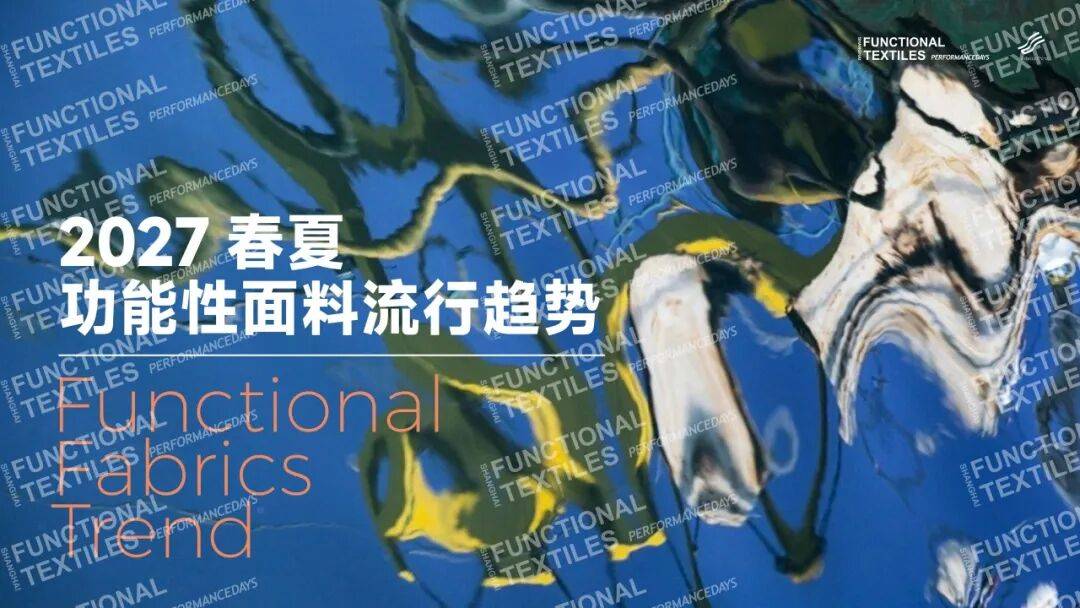
Core Insights - The Shanghai International Functional Textile Exhibition serves as a significant window for industry trends, providing insights for brand designers and material research teams [1] - The exhibition will take place on March 5-6, 2026, at the Shanghai World Expo Exhibition and Convention Center, featuring global innovative functional materials and the 2027 Spring/Summer functional fabric trend [1] Group 1: 2027 Spring/Summer Functional Fabric Trends - The 2027 Spring/Summer functional fabric trend report reveals core directions for the upcoming season, emphasizing a shift towards slow fashion and emotional connections in consumer behavior [5][11] - The trend highlights a focus on natural fibers, minimalist designs, and a balance between performance and refined texture in materials [9][15] - Applications for these fabrics include business commuting, yoga, and all-weather sports, reflecting a versatile approach to modern lifestyle needs [5][11] Group 2: Color and Material Characteristics - The color palette for the upcoming season features calming tones such as tranquil blues and earthy hues, designed to create a serene visual environment [8][15] - Materials are evolving to balance performance with aesthetic appeal, incorporating features like temperature control, moisture-wicking, and skin-friendly properties [9][18] - The trend also emphasizes the use of sustainable materials, such as recycled nylon and bio-based fibers, aligning with environmental commitments [21][26] Group 3: Design Philosophy and Consumer Behavior - The design philosophy is shifting towards a narrative-driven approach, where clothing serves as a cultural and emotional vessel, reflecting deeper connections to nature and personal stories [11][15] - Consumer behavior is moving from ownership to recognition and co-existence, seeking products that resonate with their values and lifestyles [11][15] - The integration of technology in fabrics, such as responsive fibers and smart textiles, is enhancing the functionality and appeal of sportswear [26][27]
文化自觉 技法创新
Xin Lang Cai Jing· 2025-12-20 21:04
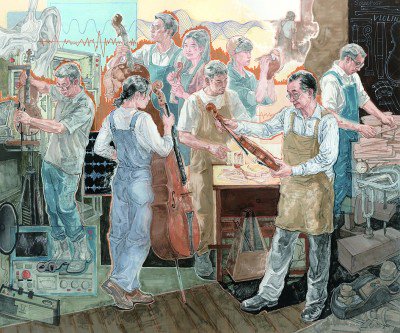
Core Viewpoint - The 8th National Youth Art Exhibition showcases the achievements and cultural consciousness of contemporary youth artists, reflecting their mission and responsibility towards national development and societal well-being [7][8]. Group 1: Exhibition Overview - The exhibition features a diverse range of artworks, including traditional Chinese painting, oil painting, printmaking, watercolor, lacquer painting, and sculpture, all demonstrating a high level of skill and a strong sense of form [8]. - The overall atmosphere of the exhibition is characterized by a gentle yet resolute positive emotion, highlighting the connection between individual youth and society [8]. Group 2: Artistic Techniques and Trends - Contemporary youth artists are increasingly integrating traditional elements into their works in a more cohesive and natural manner, moving away from previous tendencies of mere collage or literal translation [9]. - The use of metaphor and symbolism to reflect traditional cultural concepts is becoming more prevalent, as seen in works that reinterpret classic imagery in innovative ways [9]. - The aesthetic of haziness is notably present in current youth paintings, with techniques that create a sense of mist, blending, and fluidity, reflecting a revival of traditional Chinese aesthetics [10]. Group 3: Influence of Digital Technology - The rapid advancement of AI technology is influencing artistic expression, with some artists incorporating visual grammar derived from fragmented digital experiences into their works [11]. - Works like "New Humans: Symbiosis" exemplify this trend, showcasing a smooth, uniform visual effect reminiscent of AI-generated imagery [11]. - However, there is also a counter-movement among artists who prefer traditional techniques, emphasizing the importance of tactile experience and brushwork in painting [12]. Group 4: Challenges and Future Directions - While the exhibition highlights the innovative spirit of youth artists, it also reveals areas for growth, such as the need for deeper independent thought and awareness of social issues [12]. - Some artworks prioritize technical skill over emotional expression, indicating a potential imbalance that artists should address in their future creations [12]. - The ongoing journey of self-improvement among these artists is expected to lead to a more balanced approach between form and substance, as well as between personal expression and societal reflection [12].
首届百雀羚全国大学生AIGC创意设计大赛北京收官
Huan Qiu Wang· 2025-10-20 05:41
Group 1 - The first "Pechoin Discovering Chinese Beauty | National College Student AIGC Creative Design Competition" concluded successfully, held at Alibaba's Chaoyang Technology Park in Beijing, attracting over 700 students from 200 universities and receiving nearly 1,000 valid entries since its launch in March [1][3] - The competition aimed to combine technology and aesthetics, featuring a professional and fair evaluation system with judges from AI technology, art education, and the beauty industry, assessing works based on innovation, artistic expression, forward-thinking concepts, and social value [3][5] - The event showcased the potential of AIGC technology in commercial applications and its connection to public aesthetics, indicating significant opportunities for industries such as film, gaming, advertising, and design [5] Group 2 - The competition's success led to the announcement of the second edition, providing more opportunities for students to engage in industry practices [5] - As technology evolves and application scenarios expand, AIGC is expected to demonstrate its creativity across more fields, contributing new momentum to the digital economy [5] - Pechoin aims to deepen collaboration with young creators and promote the application of AI technology in the beauty industry, injecting vitality into the inheritance of Chinese beauty and exploring more practical directions for industry digitalization [5]