Automated Driving

Search documents
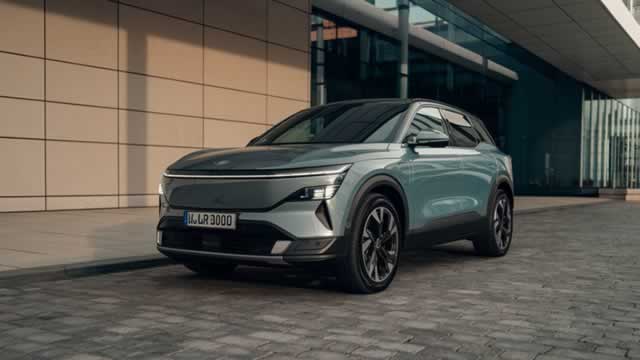
Uber taps Rivian to build robotaxis in deal worth up to $1.25B
TechCrunch· 2026-03-19 12:00
Core Insights - Rivian is partnering with Uber to develop thousands of robotaxis based on its upcoming R2 SUV, with a potential deal value of up to $1.25 billion [1][2] - Uber's initial investment in Rivian is $300 million, with plans to purchase 10,000 fully autonomous R2 robotaxis for deployment in San Francisco and Miami by 2028 [1][2] - The partnership aims to launch robotaxis in 25 cities across the U.S., Canada, and Europe by the end of 2031, exclusively on Uber's network [2] Company Developments - Rivian has not yet started production of the R2 SUV, with manufacturing expected to begin by June, and has not tested a self-driving system for robotaxis [3] - The R2 robotaxi is planned to be manufactured at Rivian's Georgia factory, which is still under construction [3] - Rivian's CEO, RJ Scaringe, emphasizes automated driving technology as a priority, shifting from a rules-based framework to an AI-first strategy for driver assistance [4] Technological Advancements - Rivian's automated driving system, the Rivian Autonomy Platform, debuted in 2024 with the second-generation R1 vehicles, aiming for hands-free driving and point-to-point navigation features [6] - Future upgrades will include a lidar sensor and an "autonomy computer" capable of processing 5 billion pixels per second, expected in a version of the R2 SUV by late 2026 [7] - Rivian aims to achieve a "personal L4" level of autonomy, allowing vehicles to operate without human intervention in specific areas [8] Industry Context - Rivian is not the first electric vehicle startup Uber has partnered with for robotaxi development; previous collaborations include Lucid Motors and Nuro [10] - Uber has established partnerships with over 25 robotaxi or autonomous vehicle companies globally, with notable collaborations including Waymo [11]


Qualcomm, Wayve partner to accelerate AI-powered self-driving system rollout
Reuters· 2026-03-10 13:05
Core Insights - Qualcomm and Wayve are collaborating to develop an integrated AI system aimed at accelerating the deployment of advanced driver-assistance and automated driving features for automakers [1] - The partnership combines Wayve's AI Driver software with Qualcomm's Snapdragon Ride automotive chips, creating a versatile platform for various vehicle models [1] - The integrated system is designed to simplify the complexity faced by automakers in integrating chips, safety systems, and AI software from multiple suppliers [1] Technology - The system will support a range of driving functions from hands-off assistance to advanced "eyes-off" driving capabilities as regulations permit [1] - Wayve's AI model utilizes real-world driving data, allowing vehicles to learn and adapt to different driving conditions without extensive rule-based programming [1] - Qualcomm's Snapdragon Ride platform is noted for its high-performance, energy-efficient processing capabilities, meeting safety standards for advanced AI systems in vehicles [1] Market Dynamics - There is a growing interest among automakers for systems that can shorten development cycles and enable software updates to enhance vehicle capabilities over time [1] - Wayve, founded in 2017, is part of a new trend of AI-focused autonomous driving developers that prioritize software-centric approaches over heavily map-dependent systems [1] - Wayve recently raised $1.2 billion, achieving a valuation of $8.6 billion, with investments from notable companies such as Mercedes-Benz, Nvidia, Nissan, and Uber [1]


indie Semiconductor(INDI) - 2025 Q4 - Earnings Call Transcript
2026-02-19 23:02
Financial Data and Key Metrics Changes - The company reported Q4 revenue of $58 million, exceeding the midpoint of the outlook by $1 million, representing an 8% sequential growth and flat compared to the prior year period [5][15] - Full year revenue reached $217.4 million, with non-GAAP operating loss of $10.1 million, improving from $11.3 million in the previous quarter and $14.2 million a year ago [15] - The company exited the quarter with total cash and cash equivalents of $155.7 million, a decrease of $15.5 million from the third quarter [16] Business Line Data and Key Metrics Changes - The radar business is gaining traction with a Tier 1 partner, with initial shipments starting in December and expected demand exceeding 50 million units annually [9][10] - The vision portfolio is seeing momentum with design wins for image signal processor SoCs, including the IND880, and new opportunities arising from DRAM-less architecture [10][11] - The company secured a design win with a leading electric vehicle manufacturer in China for a camera mirror system, expected to ramp in mid-2026 [11] Market Data and Key Metrics Changes - The automotive industry is transitioning towards standardization of ADAS features, creating significant opportunities for the company [5][6] - The humanoid robotics market is moving from research to real-life applications, with the company actively pursuing opportunities in this space [6][7] - The company is also gaining traction in the quantum communications and sensing markets, with significant bookings for LXM lasers [12] Company Strategy and Development Direction - The company aims to leverage technology investments to capitalize on the mass-market ADAS segments and expand into humanoid robotics [6][8] - The strategy includes expanding production capabilities and securing additional back-end and test capacity to meet growing demand [9] - The company is focused on managing operating expenses while preparing for strong growth through design wins in 2026 [19] Management's Comments on Operating Environment and Future Outlook - Management expressed optimism about the automotive market's transformation and the company's positioning to meet emerging needs [5][20] - The company anticipates a decline in first-quarter revenue from Wuxi due to reduced EV subsidies and expects core business revenue to grow by 20% sequentially [18] - Management acknowledged ongoing supply chain constraints but is confident in their ability to manage through 2026 [36][37] Other Important Information - The company is in the process of selling its equity interest in Wuxi Indie Micro for approximately $135 million, with the transaction expected to close by late 2026 [17] - The Qi 2.0 wireless charging platform production with Ford is on track for the first half of 2026, with additional OEM adoption expected [12][13] Q&A Session Summary Question: What was the Wuxi revenue for Q4? - The revenue was around $29.7 million [23] Question: What are the reasons for the sequential decline in revenue? - The decline is primarily due to the upcoming Chinese New Year shutdown and reduced EV subsidies [24] Question: What is expected for the ramp in Q2? - A recovery is expected in Q2, despite the ongoing sale of the business [25] Question: Can you provide updates on radar program ramp expectations? - Significant progress has been made, with strong traction among OEMs and discussions on next-generation products [26] Question: What impact do supply chain constraints have in Q1? - There was a trailing impact into Q1, with some demand still uncertain based on supply [27] Question: Any updates on design wins and traction for core business? - The company is performing well across all regions, with exposure to OEMs in Europe, Asia, and India [33] Question: What is the size of the opportunity in robotics and quantum space? - The robotics market is showing significant activity, while quantum applications are expected to triple in revenue through 2026 [35] Question: What is the timeline for resolving supply chain constraints? - The tightness is driven by AI demand, with improvements expected in 2027 [36][37] Question: What are the expected radar revenues for 2026? - Radar revenue is expected to remain in the $30 million-$50 million range, with strong momentum from newer OEMs [40] Question: What percentage of core business remains in China? - Approximately 20% of the core business remains in China [42]

indie Semiconductor(INDI) - 2025 Q4 - Earnings Call Transcript
2026-02-19 23:02
Financial Data and Key Metrics Changes - The company reported Q4 revenue of $58 million, exceeding the midpoint of the outlook by $1 million, representing an 8% sequential growth and flat compared to the prior year period [5][15] - Full year revenue reached $217.4 million, with non-GAAP operating loss of $10.1 million, an improvement from $11.3 million in the previous quarter and $14.2 million a year ago [15] - The company exited the quarter with total cash and cash equivalents of $155.7 million, a decrease of $15.5 million from the third quarter [16] Business Line Data and Key Metrics Changes - The radar business is gaining traction with a Tier 1 partner, with initial shipments starting in December and expected demand exceeding 50 million units annually [9][10] - The vision portfolio is seeing momentum with design wins for image signal processor SoCs, including the IND880, and new design wins in e-mirror and camera mirror systems [10][11] - The company secured a design win with a leading electric vehicle manufacturer in China for a camera mirror system, expected to ramp in mid-2026 [11] Market Data and Key Metrics Changes - The automotive industry is transitioning towards standardization of ADAS features, creating opportunities for the company to leverage its technology investments [5][6] - The humanoid robotics market is transitioning from research to real-life applications, presenting new opportunities for the company [6][7] - The company is also gaining traction in the quantum communications and sensing market, with significant bookings for LXM lasers [12] Company Strategy and Development Direction - The company aims to capitalize on the structural transformation in the automotive market by focusing on software-defined intelligence and scalable sensor technology [5][6] - Plans to expand activities in humanoid robotics and enhance radar and vision technologies to maintain competitive advantages [8][10] - The company is actively managing supply chain constraints and expanding production capabilities to meet growing demand [9][13] Management's Comments on Operating Environment and Future Outlook - Management expressed optimism about the future, expecting revenue from core business to grow by 20% sequentially in Q1 2026, despite a decline in revenue from Wuxi due to reduced EV subsidies [18][19] - The company anticipates a steady ramp in radar revenue through 2026 and beyond, with increasing visibility on design wins and OEM traction [20][41] - Management acknowledged ongoing supply chain constraints but is confident in their ability to manage through 2026 [37][38] Other Important Information - The company is in the process of selling its equity interest in Wuxi Indie Micro for approximately $135 million, with the transaction expected to close by late 2026 [17] - Non-GAAP operating expenses for Q1 2026 are expected to be $37 million, relatively flat compared to Q4 2025 [18] Q&A Session Summary Question: What was the Wuxi revenue for Q4? - The revenue was around $29.7 million [23] Question: What are the reasons for the sequential decline in revenue? - The decline is primarily due to the upcoming Chinese New Year shutdown and reduced EV subsidies [24] Question: What is expected for the ramp in Q2? - A recovery is expected in Q2, although the business is in the process of being sold [25] Question: Can you provide an update on radar program ramp? - The company has made significant progress and expects strong traction with OEMs [26] Question: What impact do supply chain constraints have in Q1? - There was a trailing impact into Q1, with some demand still questionable due to supply issues [27] Question: Any updates on design wins and traction for core business? - The company is performing well across all regions, with exposure to OEMs in Europe, Asia, and India [33] Question: What is the size of the opportunity in robotics and quantum space? - The robotics market is expected to grow significantly, while quantum traction is also increasing, with a projected tripling of optical product shipments [35][36] Question: What is the timeline for resolving supply chain constraints? - The tightness is driven by AI demand, and while improvements are being made, full resolution may not occur until 2027 [37][38] Question: What are the expected radar revenues for 2026? - Radar revenue is expected to remain in the $30 million-$50 million range, with strong momentum from newer OEMs [41]
indie Semiconductor(INDI) - 2025 Q4 - Earnings Call Transcript
2026-02-19 23:00
Financial Data and Key Metrics Changes - The company reported Q4 revenue of $58 million, exceeding the midpoint of the outlook by $1 million, representing an 8% sequential growth and flat compared to the prior year period [4][12] - Full year revenue reached $217.4 million, with non-GAAP operating loss of $10.1 million, an improvement from $11.3 million in the previous quarter and $14.2 million a year ago [12][13] - The company exited the quarter with total cash and cash equivalents of $155.7 million, a decrease of $15.5 million from the third quarter [13] Business Line Data and Key Metrics Changes - The radar business is gaining traction with a Tier 1 partner, who launched their Gen 8 77 GHz radar solution, leading to initial shipments and expected demand exceeding 50 million units annually [6][7] - The vision portfolio is seeing momentum with design wins for image signal processor SoCs, including the IND880, and new design wins in e-mirror and camera mirror systems [8][9] - The company secured a design win with a leading electric vehicle manufacturer in China for a camera mirror system, expected to ramp in mid-2026 [9] Market Data and Key Metrics Changes - The automotive industry is transitioning towards standardization of ADAS features, creating a significant opportunity for the company to leverage its technology investments [4][5] - The humanoid robotics market is transitioning from research to real-life applications, presenting new opportunities for the company [5] - The company is also gaining traction in the quantum communications and sensing markets, with significant bookings for LXM lasers [10] Company Strategy and Development Direction - The company aims to capitalize on the structural transformation in the automotive market by focusing on ADAS and automated driving technologies [4][5] - Plans to expand activities in humanoid robotics and enhance production capabilities to meet growing demand [6][7] - The company is defining next-generation radar platforms to deliver competitive advantages in performance and cost [7] Management's Comments on Operating Environment and Future Outlook - Management expressed optimism about the automotive market's transition and the company's positioning to drive growth through 2026 and beyond [17] - The company anticipates a decline in first-quarter revenue from Wuxi due to reduced EV subsidies and expects core business revenue to grow by 20% sequentially [15][16] - Management acknowledged ongoing supply chain constraints but is focused on expanding the supply base to mitigate risks [11][34] Other Important Information - The company is in the process of selling its equity interest in Wuxi Indie Micro for approximately $135 million, with the transaction subject to regulatory approval [14] - The Qi 2.0 wireless charging platform production with Ford is on track for the first half of 2026, with further adoption expected [10][11] Q&A Session Summary Question: What was the Wuxi revenue for Q4? - The revenue was around $29.7 million [19] Question: What are the reasons for the sequential decline in revenue? - The decline is primarily due to the upcoming Chinese New Year shutdown and reduced EV subsidies [21] Question: What is expected for the ramp in Q2? - A recovery is expected in Q2, although the company is in the process of selling that business [22] Question: Can you provide updates on radar program ramp expectations? - The company has made significant progress and expects strong traction with OEMs [23] Question: What impact do supply chain constraints have in Q1? - There was a trailing impact into Q1, with some demand still uncertain due to supply issues [24] Question: Any updates on design wins and traction for core business? - The company is performing well across all regions, with exposure to OEMs in Europe, Asia, and India [30] Question: What is the size of the opportunity within robotics and quantum space? - The robotics market is showing significant activity, and quantum applications are expected to see increased momentum [32][33] Question: What is the timeline for resolving supply chain constraints? - The tightness is driven by AI demand, and the company is expanding its supply base to mitigate risks [34][35] Question: What are the expected radar revenues for 2026? - Radar revenue is expected to remain in the $30 million-$50 million range, with strong momentum anticipated [39] Question: What percentage of core business remains in China? - The percentage is now in the 25%-30% range, but it is slightly lower than before [41]
Ford Reportedly In Talks With China's Geely To Explore European Manufacturing Partnership - Ford Motor (NYSE:F)
Benzinga· 2026-02-04 08:33
Group 1 - Ford Motor Co. is in discussions with Geely Automobile Holdings for a potential partnership involving the use of Ford's factory space in Europe for vehicle manufacturing [1] - The partnership talks include sharing vehicle technologies, particularly in automated driving, and are more advanced in European manufacturing [1][2] - A delegation from Ford was sent to China to further these discussions, following prior talks in Michigan between senior executives from both companies [2] Group 2 - Ford's 2023 partnership with Chinese battery-maker CATL to produce low-cost LFP EV batteries has faced criticism from U.S. lawmakers due to tariffs and security restrictions affecting Chinese automakers in the U.S. market [3] - The company is also exploring a potential battery partnership with BYD as part of its hybrid strategy, indicating active engagement in the electric vehicle sector [4] - Over the past year, Ford's stock has increased by 38.83%, closing at $13.73 recently [5]

The Ultimate Guide for Taking a Robotaxi in China
Business Insider· 2026-01-31 10:23
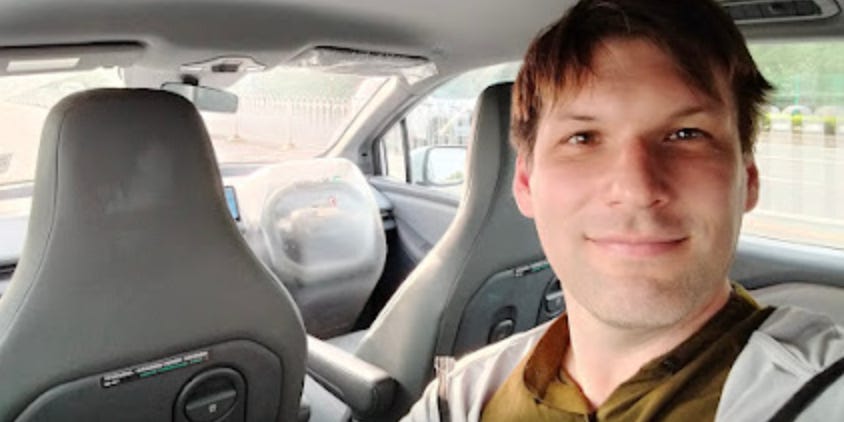
Core Insights - China is a significant player in the automated driving industry, with major companies like Baidu, Pony.ai, and WeRide leading the development of robotaxis [5][6][7] - The article aims to provide insights into the experiences of riding robotaxis in China, highlighting the differences in service availability and operational areas compared to Western counterparts [2][4] Company Overview - Baidu Apollo, the automated driving unit of Baidu, is often compared to Alphabet's Waymo and has a dedicated app for users [6] - Pony.ai operates in both China and the United States, offering its services through the PonyPilot app [6] - WeRide focuses on robotaxis and automated shuttles, with its own app available for users [7] Market Landscape - Major Chinese cities like Beijing, Shanghai, Wuhan, Guangzhou, and Shenzhen are actively involved in robotaxi services, although these services are often limited to specific pilot zones [9][10][11] - Baidu's Apollo robotaxis are particularly prominent in Wuhan, where they provide a reliable automated vehicle service for commuters [13] Service Characteristics - Robotaxi services in China are generally confined to designated pilot zones, and users may need to travel to specific areas to access these services [10][12] - In Beijing, the Yizhuang area is a key location for automated driving activity, while Shanghai offers several areas for potential rides, albeit with significant travel required to reach them [11][12] User Experience - The apps for booking robotaxi rides can be challenging for users, often requiring a local Chinese phone number and knowledge of the Chinese language [18][22] - Users can change their destination during a ride, with varying policies across different providers, which can lead to interesting driving maneuvers in busy urban environments [26] Future Outlook - The article suggests that despite the current limitations, China's robotaxi services are advancing rapidly and are worth exploring for those interested in automated driving technology [28]


Aeva Brings 4D LiDAR to NVIDIA's Autonomous Driving Platform
ZACKS· 2026-01-07 13:36
Core Insights - Aeva Technologies, Inc. has formed a strategic partnership with NVIDIA to provide its FMCW 4D LiDAR technology for the NVIDIA DRIVE Hyperion autonomous vehicle platform [1][10] Company Overview - Aeva is a leading developer of sensing solutions for various sectors including automated driving, manufacturing automation, smart infrastructure, robotics, and consumer devices [1] - The partnership with NVIDIA marks a significant milestone for Aeva, enhancing its role as a key LiDAR sensor supplier to global OEMs [4] Technology and Product Details - Aeva's 4D LiDAR sensors can detect velocity and position simultaneously, improving the intelligence and safety of automated devices [5] - The sensors are built on a silicon-photonics LiDAR-on-Chip architecture, designed for automotive-grade reliability and high-volume manufacturability [6] - Aeva's technology will enhance the perception stack of Hyperion by providing 3D sensing and per-point instant velocity measurement [5][10] Collaboration Goals - Aeva and NVIDIA will integrate Aeva's technology into the Hyperion platform, targeting production vehicle programs by 2028 [6] - The collaboration aims to create a safer automated driving environment and deliver a smoother consumer experience [7]



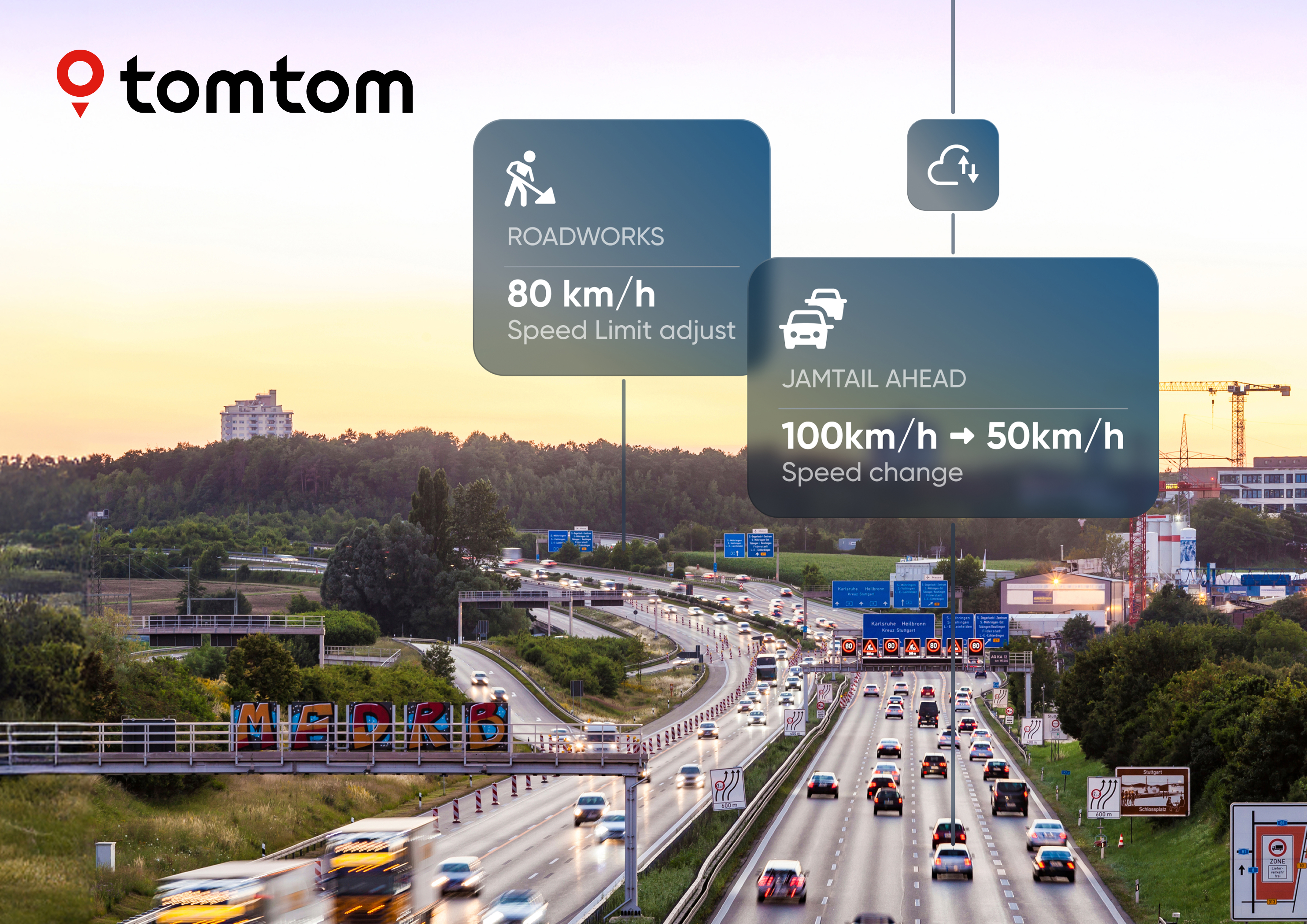
TomTom Orbis Maps to power CARIAD’s Automated Driving systems
Globenewswire· 2026-01-05 06:30
Core Insights - TomTom has partnered with CARIAD, the automotive software company of the Volkswagen Group, to integrate its advanced Orbis Maps into CARIAD's automated driving systems [1][4] Group 1: Partnership and Collaboration - CARIAD will utilize TomTom's Orbis Maps as a core component for enhancing the understanding of surroundings in automated driving systems [2] - This collaboration highlights TomTom's ability to meet the evolving needs of the Volkswagen Group, reinforcing its leadership in the future of driving [4] Group 2: Technology and Capabilities - TomTom's Orbis Maps will provide highly accurate, up-to-date location information, complementing onboard sensors and systems to enhance safety-critical automated driving functionalities [2] - The AI-native, real-time mapmaking platform of TomTom allows for detailed lane geometry and behavioral data, ensuring minute-level updates across all road classes [3] - TomTom's multi-source approach combines high-precision car sensor data, survey vehicles, and aerial data, delivering unmatched coverage across 235+ countries and territories [3]

TomTom launches ADAS SDK to accelerate driving automation and regulatory compliance
Globenewswire· 2026-01-02 06:30
Core Insights - TomTom has launched its ADAS SDK, a modular and lightweight toolkit aimed at providing high-quality ADAS map data for predictive driver assistance systems, catering to the needs of software-defined vehicles [1][5] Group 1: Product Features - The ADAS SDK serves as a gateway to TomTom's Orbis map data, allowing automotive OEMs to efficiently integrate safety, comfort, and efficiency features into vehicle control systems, thereby reducing development time and costs [2] - The SDK addresses compliance needs for manufacturers entering new markets, offering a streamlined solution that simplifies integration and accelerates vehicle certification processes [3] - Utilizing TomTom Orbis map data, the SDK generates predictive paths with attributes like speed limits and traffic signs, enhancing vehicle capabilities for adaptive lighting and lane-keeping assistance [4] Group 2: Market Context - As automotive OEMs move towards L2+ driver assistance and higher automation levels, they encounter challenges in scaling these capabilities efficiently, which the ADAS SDK aims to mitigate [2] - The transition to automated driving emphasizes the importance of a vehicle's ability to anticipate road conditions, which the ADAS SDK facilitates through its predictive features [5]