
Consumer rights protection

Search documents
汽车美容保养后车辆受损,我要去哪投诉
Xin Lang Cai Jing· 2026-01-23 10:32
Core Viewpoint - The increasing popularity of automotive beauty services has led to a rise in consumer complaints regarding vehicle damage, highlighting the need for effective consumer rights protection and industry regulation [1][6]. Group 1: Official Complaint Channels - The 12315 platform, operated by the State Administration for Market Regulation, is a direct and authoritative way for consumers to file complaints regarding product quality, service quality, and false advertising [2][8]. - Consumers can submit complaints via the 12315 hotline, website, or app, which ensures high credibility and enforcement by market regulatory authorities [2][8]. Group 2: Industry Organizations and Associations - Automotive service industry associations, such as the Automotive Repair and Beauty Association, provide a channel for consumers to report issues and seek industry self-regulation [3][9]. - This route is suitable for consumers who prefer quick communication without engaging in administrative procedures [3][9]. Group 3: Third-Party Complaint Platforms - The Black Cat Complaint platform offers a convenient and transparent process for filing complaints through various digital channels, including its website, app, and social media [10]. - The platform is noted for its efficiency, allowing consumers to track the status of their complaints in real-time and providing public visibility to complaint content, which encourages businesses to address issues [10]. - As a member of the national automotive product defect monitoring network, the Black Cat platform reports quality issues to regulatory authorities, contributing to industry oversight [10]. Group 4: Recommendations for Complaints Related to Automotive Beauty Services - Consumers are advised to retain evidence such as service receipts, contracts, payment records, and photos or videos of vehicle damage [5][11]. - Initial attempts should be made to negotiate with the service provider before escalating to formal complaints, with clear and reasonable demands for resolution [5][11]. - If negotiations fail, consumers should choose an appropriate complaint channel and provide accurate descriptions and evidence of the issues encountered [5][11]. - In cases involving unlicensed operations or counterfeit products, consumers are encouraged to report to 12315 simultaneously for dual protection [5][12]. Group 5: Summary and Encouragement - Consumers should not remain silent when automotive beauty services result in damage, as there are legitimate channels for complaint [11][13]. - It is essential to communicate rationally and legally, avoiding emotional expressions during the complaint process [11][13]. - The choice of complaint platform should consider factors such as processing efficiency, transparency, and the ability to promote service quality improvements through public accountability [13].
网购付了钱不发货?这些投诉渠道帮你高效维权
Xin Lang Cai Jing· 2026-01-19 07:14
Group 1 - The core issue faced by consumers is the delay in receiving goods after payment, leading to anxiety and uncertainty about the transaction [1][9] - Consumers are encouraged to take proactive steps to protect their rights through various complaint channels [1][9] Group 2 - The first step for consumers should be to contact the e-commerce platform directly through the order page to initiate a "催发货" (request for shipment) or "投诉商家" (complain about the seller) [1][9] - E-commerce platforms have transaction protection mechanisms, but their effectiveness may be limited if the seller is uncooperative or planning to close the store [4][11] Group 3 - If the platform's response is inadequate, consumers can escalate the issue to government regulatory channels, with the national 12315 platform being the most commonly used for consumer complaints [2][11] - The 12315 platform is operated by the State Administration for Market Regulation and is recognized for its authority and broad coverage [11][12] Group 4 - Industry-specific complaint platforms exist that can provide more tailored support for specific consumer sectors, although their coverage may be limited [13] - These platforms are advantageous as they are more familiar with industry practices and can quickly identify issues [13] Group 5 - Internet public complaint platforms, such as "黑猫投诉" (Black Cat Complaints), offer a low-threshold avenue for consumers to voice their grievances, with a user-friendly interface for submitting complaints [14][15] - These platforms facilitate transparency and public accountability, which can pressure businesses to respond to complaints [14][15] Group 6 - To improve the success rate of complaints, consumers should prepare clear evidence, including order details, communication records, and the seller's qualifications [10][16] - Clear and reasonable demands, such as requests for shipment, refunds, or compensation, are more likely to be supported [10][16] Group 7 - The processing time for complaints through official channels like 12315 typically ranges from 7 to 45 working days, and consumers should keep their contact information available [16] - For online transaction disputes, the China Consumers Association and local consumer associations also accept complaints, especially for collective or typical issues [17]
CCPA fines e-commerce firms over unauthorised sale of walkie-talkies
BusinessLine· 2026-01-16 10:41
Core Viewpoint - The Central Consumer Protection Authority (CCPA) has taken action against e-commerce platforms for selling unauthorized walkie-talkies, imposing penalties totaling approximately ₹44 lakh [1][4]. Group 1: Regulatory Actions - CCPA issued notices to 13 e-commerce entities, including major platforms like Amazon, Flipkart, and Meta Platforms Inc, after identifying over 16,970 non-compliant product listings [2]. - Final orders were issued against eight entities, with penalties of ₹10 lakh each imposed on Meesho, Meta Platforms Inc, Flipkart, and Amazon, while smaller penalties of ₹1 lakh were imposed on Chimiya, JioMart, Talk Pro, and MaskMan Toys [4]. - CCPA has notified new guidelines to prevent illegal listings and sales of radio equipment on e-commerce platforms [6]. Group 2: Compliance Issues - The CCPA found that platforms were selling personal mobile radios (PMRs) without proper licensing and certification, violating the Consumer Protection Act and telecom laws [3][5]. - Specific sales data revealed that Flipkart sold 65,931 units with incorrect frequency disclosures, while Amazon had 2,602 units sold without proper certification details [7][8]. - Facebook Marketplace had 710 listings delisted due to non-compliance with licensing requirements, highlighting the need for platforms to exercise due diligence [9]. Group 3: Due Diligence Requirements - The CCPA emphasized that intermediary protections depend on effective due diligence, and platforms must ensure compliance with government approvals for walkie-talkies and other radio equipment [11]. - Platforms are required to conduct regular self-audits and publish compliance certificates to avoid selling regulated wireless equipment that does not meet legal standards [11].



CCPA fines Meta, Amazon, Flipkart, Meesho ₹10 lakh each for illegal walkie-talkie sales
BusinessLine· 2026-01-16 06:42
Core Viewpoint - The Central Consumer Protection Authority (CCPA) has taken action against e-commerce platforms for selling unauthorized walkie-talkies, imposing penalties totaling ₹44 lakh for violations of the Consumer Protection Act and telecom laws [1][4]. Group 1: Regulatory Actions - CCPA issued notices to 13 e-commerce entities, identifying over 16,970 non-compliant product listings across platforms [2]. - Final orders were issued against eight entities, with penalties of ₹10 lakh imposed on Meesho, Meta Platforms Inc. (Facebook Marketplace), Flipkart, and Amazon, and ₹1 lakh on Chimiya, JioMart, Talk Pro, and MaskMan Toys [4]. - Platforms were found facilitating the sale of Personal Mobile Radios (PMRs) without proper licensing and certification [3][5]. Group 2: Violations and Findings - Major violations included Flipkart selling 65,931 units with incorrect frequency disclosures and Amazon selling 2,602 units lacking proper certification details [6][7]. - JioMart and Facebook Marketplace also had significant non-compliance issues, with Facebook Marketplace having 710 listings delisted after CCPA intervention [7][8]. - Talk Pro was found listing devices falsely claiming to be legal, while Chimiya offered unauthorized walkie-talkies imported without approvals [9]. Group 3: Platform Responsibilities - CCPA rejected the intermediary defense used by several platforms, stating that they cannot be treated as passive conduits for regulated products [10][11]. - The authority emphasized that intermediary protections require effective due diligence and do not apply when platforms allow non-compliant listings [12]. Group 4: New Guidelines and Compliance - CCPA has notified new guidelines for the prevention and regulation of illegal listings of radio equipment, mandating verification of frequency compliance and ETA certification prior to listing [13][14]. - E-commerce platforms are directed to conduct self-audits, publish audit certificates, and strengthen compliance mechanisms to prevent deceptive listings [15]. Group 5: Security Concerns - CCPA warned that unauthorized radio communication devices could interfere with critical national communication networks, posing risks to public order and national security [16][17].
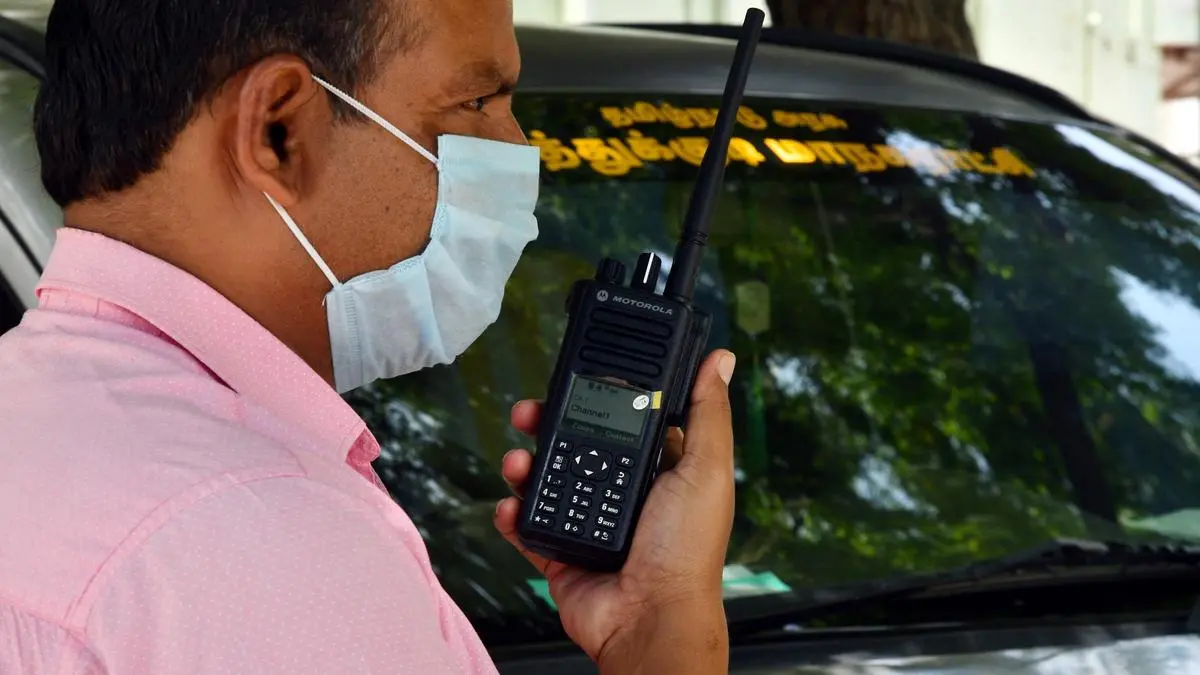
CCPA fines Meta, Amazon, Flipkart, Meesho Rs 10 lakh each for illegal walkie-talkie sales
The Economic Times· 2026-01-16 04:28
Core Viewpoint - The Central Consumer Protection Authority (CCPA) has taken action against multiple e-commerce platforms for selling unauthorized walkie-talkies, imposing penalties totaling Rs 44 lakh and issuing notices to 13 entities for violations of consumer rights and telecom laws [14]. Group 1: Violations and Penalties - Penalties of Rs 10 lakh were imposed on Meesho, Meta Platforms Inc. (Facebook Marketplace), Flipkart, and Amazon, while Rs 1 lakh penalties were imposed on Chimiya, JioMart, Talk Pro, and MaskMan Toys for misleading advertisements and unfair trade practices [2][14]. - Major violations included the sale of 65,931 units on Flipkart with incorrect frequency disclosures and 2,602 units on Amazon lacking proper certification details [3][14]. Group 2: Regulatory Compliance - The CCPA found that platforms were facilitating the sale of Personal Mobile Radios (PMRs) operating outside the license-exempt frequency band without Equipment Type Approval (ETA) certification [14]. - New guidelines have been notified to enhance platform accountability, mandating verification of frequency compliance and full disclosure of licensing requirements before listing [9][10]. Group 3: Platform Responsibilities - The CCPA rejected the intermediary defense claimed by several platforms, stating that they cannot be treated as passive conduits when facilitating the listing of regulated products [7][8]. - E-commerce platforms are required to conduct self-audits to ensure compliance and publish audit certificates online [11]. Group 4: Security Concerns - The CCPA warned that unauthorized radio communication devices could interfere with critical national communication networks, posing risks to public order and national security [12][13].

直播购物学会这招,提前避开商家陷阱
Xin Lang Cai Jing· 2025-12-25 03:40
Core Viewpoint - The article emphasizes the importance of utilizing public complaint information to avoid problematic merchants and platforms before making online purchases, particularly in the context of live-stream shopping [1][3]. Group 1: Official Complaint Channels - Official complaint channels provide a solid foundation for consumer rights protection, focusing primarily on post-incident resolution [2][10]. - The National 12315 platform, managed by the State Administration for Market Regulation, is a key official complaint platform with strong authority, directly addressing issues like product quality and false advertising [12]. - The local 12345 government service hotline integrates various complaint channels, offering a comprehensive approach for consumers unsure of where to direct their complaints [12]. Group 2: Third-Party Complaint Platforms - Third-party platforms, such as the Black Cat Complaint platform, serve as valuable resources for assessing merchant reputations by accumulating extensive consumer complaint data [3][13]. - The Black Cat platform allows users to easily submit and check complaints across multiple channels, enhancing consumer willingness to share experiences and enriching the database [14]. - The platform's transparency in complaint processing and its monthly "red and black lists" expose merchants with high complaint volumes and low resolution rates, encouraging better service [14]. Group 3: Utilizing Complaint Information - Consumers are encouraged to check complaint records as a standard practice before making purchases, using platforms like Black Cat Complaint for insights into merchant service quality and integrity [15]. - Specific shopping scenarios, such as online shopping, ride-hailing, and telecommunications, have tailored complaint channels that consumers should utilize for better decision-making [17]. - The introduction of AI tools like "Law Meow Star" on complaint platforms provides instant legal advice, lowering the barriers for consumers to assert their rights [6][14].
买车遇纠纷心发慌?这些投诉渠道助你理性维权!
Xin Lang Cai Jing· 2025-11-25 07:07
Group 1 - The article discusses the common issues consumers face when purchasing vehicles, including unfulfilled promises by sales personnel, quality problems, and unfair contract terms [1] - It emphasizes the importance of knowing the appropriate channels for complaints to protect consumer rights [1] Group 2 - The first recommended complaint channel is the car manufacturer's after-sales service department, which is responsible for addressing vehicle issues and providing quality service [1] - If the manufacturer's response is unsatisfactory, consumers can escalate their complaints to the 12315 platform, a government-established authority for consumer complaints [1][2] - The article also highlights the Black Cat Complaint platform as an effective third-party option for consumers, known for its high visibility and quick resolution processes [2]
买车之后,真正的考验才开始
Xin Lang Cai Jing· 2025-10-16 03:50
Core Insights - The automotive purchasing process is complex and often fraught with issues, leading to a high volume of consumer complaints related to pricing disputes, quality defects, inadequate after-sales service, and unclear contract terms [1] Group 1: Purchase Process Issues - Common pitfalls during the car selection phase include ambiguous pricing, where promotional offers often come with hidden conditions such as mandatory purchases of additional packages or financing requirements [2] - Sales personnel may exaggerate vehicle features or impose last-minute price increases, which, while not necessarily illegal, infringe on consumer rights [2] Group 2: Quality and After-Sales Problems - Post-purchase issues frequently arise, including abnormal noises, excessive fuel consumption, battery failures, and system alerts, with consumers struggling to prove "serious quality issues" for returns [3] - After-sales complaints often involve unauthorized charges, such as unnecessary part replacements and inflated labor costs, making it difficult for consumers to discern legitimate expenses [3] Group 3: Consumer Rights and Channels for Redress - Consumers are encouraged to first communicate directly with the dealership or brand's after-sales service, keeping records of conversations and repair receipts [4] - Complaints can also be directed to automotive trade associations or market regulatory bodies, with the option to seek third-party assessments for quality disputes [5] Group 4: Online Platforms for Public Complaints - The rise of online platforms like Black Cat Complaints allows consumers to report issues conveniently, with the platform facilitating communication between consumers and businesses [6] - Transparency in the complaint process helps both consumers and brands, as responses are publicly visible, fostering quicker resolutions [7] Group 5: Importance of Documentation and Rationality - Given the significant financial commitment involved in car purchases, consumers should meticulously verify all contract details and ensure that verbal promises are documented in writing [8] - Maintaining evidence of any issues encountered during vehicle use is crucial for effective dispute resolution [9] Group 6: Conclusion on Consumer Empowerment - The car buying experience is just the beginning, with ongoing service and the ability to assert rights being critical for consumer satisfaction and industry standards [10] - A mature market is characterized by the acknowledgment of issues rather than their neglect, emphasizing the importance of consumer advocacy [11]