EGC(员工生成内容)

Search documents
茶饮六小龙掀起EGC整顿风暴
3 6 Ke· 2026-01-08 09:54
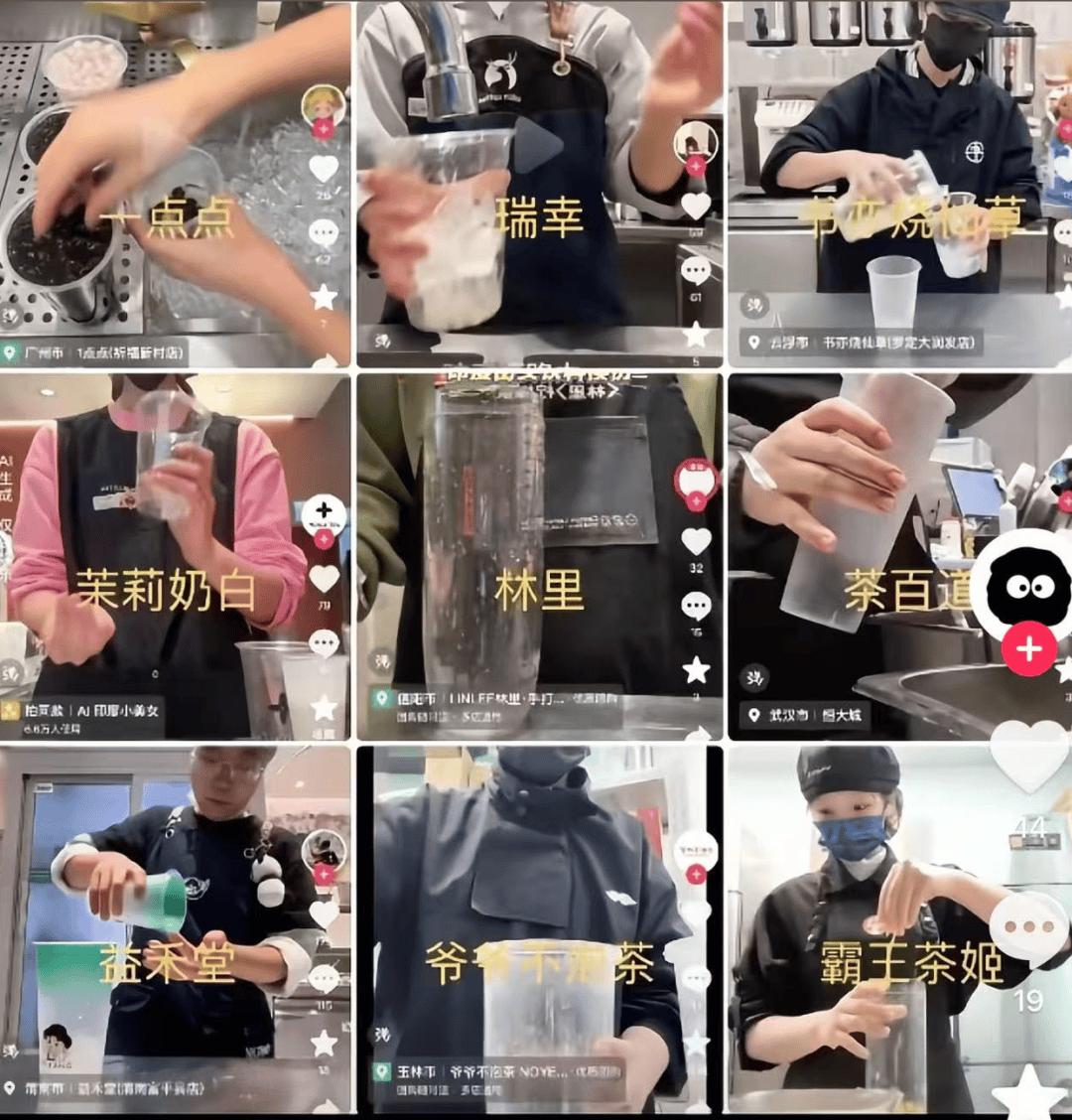
Core Viewpoint - The incident involving "Bawang Tea Ji" and its apology for a video depicting "making milk tea with bare hands" has triggered a rapid response across the tea beverage industry, leading to a collective halt on employee-generated content (EGC) and a wave of internal investigations among brands like Gu Ming, Starbucks, and Luckin Coffee [1][5][10]. Group 1: Industry Response - Following the incident, several tea brands initiated immediate internal checks, prohibiting employees from filming videos and issuing rectification notices [1][8]. - The rapid response indicates a shift from encouraging employee-generated content to a more cautious approach, reflecting the industry's concern over potential risks associated with such marketing strategies [4][10]. - The incident has led to a broader industry-wide self-examination regarding the management of employee-generated content, with brands now prioritizing compliance and risk management [10][17]. Group 2: Employee-Generated Content (EGC) Dynamics - EGC, which allows employees to share their perspectives on daily operations and product creation, was previously seen as a cost-effective and engaging marketing strategy [2][3][12]. - The recent backlash against EGC highlights the dual-edged nature of this marketing approach, where the potential for brand exposure is countered by the risks of unregulated content creation [12][17]. - The industry is now grappling with the challenge of balancing the benefits of EGC with the need for stricter content management to avoid reputational damage [17][18]. Group 3: Brand Management and Governance - The incident has exposed weaknesses in brand governance and the ability to manage decentralized content creation effectively, as many brands lack the tools to oversee employee-generated content [17][18]. - There is a growing recognition that as brands expand and employee-generated content becomes more prevalent, companies must develop clearer guidelines and frameworks to manage content risks [18]. - The need for a more structured approach to content creation is evident, as brands seek to maintain consumer trust while allowing employees some creative freedom [17][18].