
High - Yield Savings Account

Search documents
What 55-64 Year Olds' Savings Tell Us About Their Retirement Preparedness Today
Yahoo Finance· 2025-12-25 18:31
Core Insights - The article discusses the financial situation of Americans aged 55-64, highlighting their savings patterns and investment strategies as they approach retirement [4][6][7]. Group 1: Savings and Investment Patterns - A significant portion of individuals aged 55-64 have savings in various accounts, with over half holding retirement accounts [2][4]. - The median balance for bank accounts among this age group is reported at $8,000, which is higher than younger peers but lower than older individuals [3][6]. - The Federal Reserve's Survey of Consumer Finances indicates that median savings balances increase with age, ranging from $5,400 for those under 35 to $13,400 for those aged 65-74 [4]. Group 2: Financial Flexibility and Retirement Planning - Individuals in their 50s and 60s may experience increased financial flexibility due to fewer obligations, allowing them to focus on retirement savings [5][6]. - Financial experts recommend that even small monthly contributions to retirement accounts can significantly enhance savings over time, emphasizing the importance of long-term investment strategies [6][9]. - It is suggested that individuals discuss their retirement plans with partners to align their visions and expectations [12]. Group 3: Savings Strategies - Utilizing high-yield savings accounts and certificates of deposit (CDs) is recommended to maximize short-term savings, especially in a high-interest rate environment [12][13]. - High-yield savings accounts currently offer annual percentage yields (APY) between 4.00% and 5.00%, making them suitable for emergency funds [13]. - CDs provide fixed rates for a set period, with top-paying options offering yields as high as 4.40%, which can be beneficial for those who do not need immediate access to their funds [14][15].
Inflation Keeps Shifting—Here's the Smartest Way to Keep Your Savings From Shrinking
Yahoo Finance· 2025-12-18 19:22
Group 1 - The current Consumer Price Index (CPI) is at 2.7%, indicating that inflation remains high and continues to impact the purchasing power of savings [2][7] - Traditional banks are offering significantly lower savings yields, with the national average at 0.39% and major banks like Chase and Bank of America providing only 0.01%, which exacerbates the loss of value in savings [3][4] - To counteract inflation, it is essential for savers to earn a return that exceeds the inflation rate, which can be achieved through high-yield savings accounts that offer rates between 4.20% and 5.00% [6][8] Group 2 - High-yield savings accounts provide a viable solution for savers to protect their funds from inflation, allowing for real growth in savings rather than a decline in purchasing power [5][6] - The disparity between inflation and savings account yields highlights the importance of moving funds to accounts that offer higher returns to maintain financial health [4][5] - Certificates of Deposit (CDs) can also be considered for locking in higher APYs, providing additional protection against inflation over a longer term [7]
Today's Best High-Yield Savings Account Rates: Dec. 13, 2025 -- Earn up to 5.00% APY
The Motley Fool· 2025-12-13 12:35
Core Points - The Axos ONE® Checking account has a base APY of 0.00% and the Axos ONE® Savings account has a base APY of up to 1.00% [2] - Promotional APY is available for both accounts if specific criteria are met during the Qualification Period, which runs from the first business day of the month to the 25th [3] - To qualify for the promotional APY, the Axos ONE® Checking account must meet either of two sets of requirements related to direct deposits and average daily balance [7] Qualification Criteria - Option 1 requires monthly qualifying direct deposits of at least $1,500 and an average daily balance of at least $1,500 [7] - Option 2 requires monthly qualifying deposits of at least $5,000 and an average daily balance of at least $5,000 [7] - If the requirements are met, the Axos ONE® Checking account earns a promotional rate of 0.51% APY and the Axos ONE® Savings account can earn up to 4.31% APY for that statement cycle [7] Account Status - Both accounts must be open and active on the 25th of the month and on the date interest is paid to qualify for the promotional APY [6] - If either account closes during the Qualification Period, neither account will be eligible for the promotional APY for that cycle [6] Deposit Types - Qualifying deposits include ACH transfers, inbound wire transfers, and check deposits, while internal transfers and interest payments do not qualify [5][4]


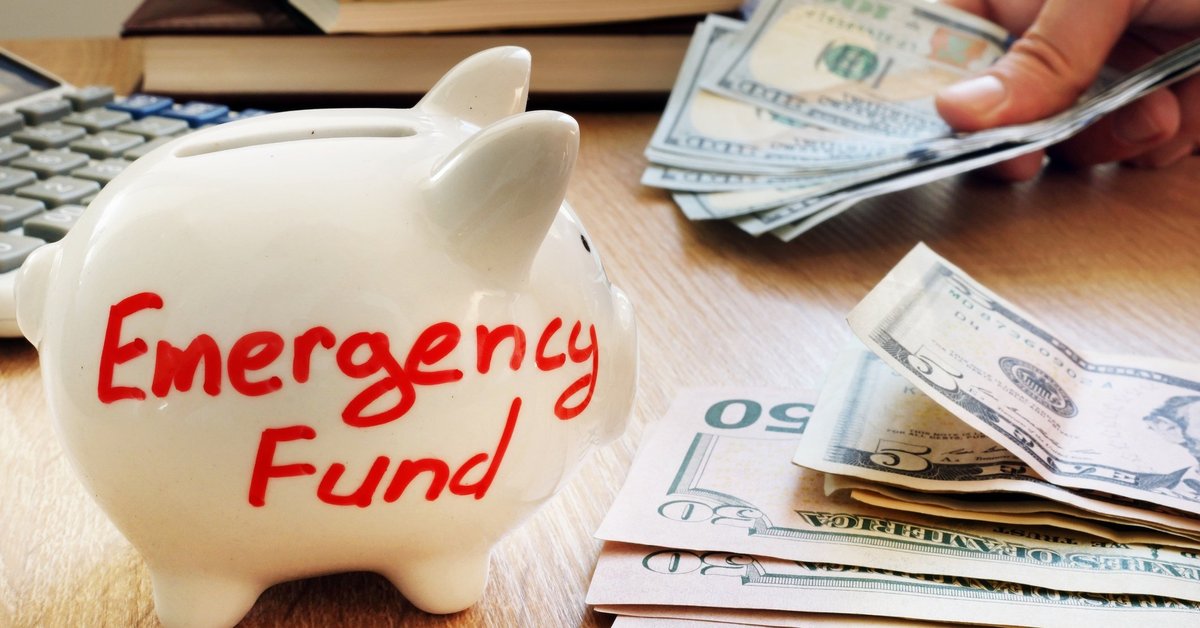
Are You Getting the Best Savings Rate? Compare Your APY with Others
Investopedia· 2025-12-06 01:00
Core Insights - The article highlights the disparity in savings account interest rates across different banks, emphasizing that many savers are earning significantly lower rates than they could be by exploring other options [2][3][8]. Savings Rates Comparison - Major banks like Chase, Bank of America, and Wells Fargo offer a mere 0.01% APY on standard savings accounts, which is effectively a near-zero return [4]. - The national average savings rate across FDIC-insured banks is only 0.40% APY, indicating that many savers are not maximizing their earnings [5][8]. Impact of Low Savings Rates - Low savings rates can lead to a loss of purchasing power, especially when the APY is below the current inflation rate of 3% [6][15]. Alternative Savings Options - Other well-known banks provide significantly better APYs, ranging from approximately 3.25% to 3.65%, which is a substantial improvement over the rates offered by the largest banks [8][9]. - The highest-yield savings accounts currently offer rates between 4.15% and 5.00%, primarily from smaller banks and credit unions that are competing for deposits [12][13]. Conditions for High APYs - Some of the top rates, such as 5.00%, may come with conditions like setting up direct deposits or limits on the balance that earns the high APY [13]. - Many high-paying accounts in the 4.25% to 4.75% range do not have special requirements, making them accessible for savers looking to maximize earnings without additional steps [14].



I Asked ChatGPT How Much I Would Have Now If I’d Saved $100 a Month Since 2020
Yahoo Finance· 2025-11-30 09:53
Core Insights - The years following 2020 have been characterized by significant economic fluctuations, including government stimulus, inflation, and increased borrowing costs [2][3] - During the pandemic, U.S. households accumulated approximately $2.3 trillion in excess savings, with the personal saving rate rising from 7.25% to nearly 18% [3] - By 2024, many Americans had depleted their savings, with only about half maintaining three months' worth of expenses [3] Savings Analysis - Saving $100 monthly from January 2020 to October 2025 totals $7,000 if kept in cash, but could grow to $7,635 in a high-yield savings account at 4% interest, or approximately $8,400 if invested in an index fund with a 7% annual return [5] - The importance of regular saving is emphasized, as missed opportunities for growth can significantly impact overall savings [6][7] Behavioral Insights - The unpredictability of recent years has highlighted the necessity of building a habit of saving, even in small amounts, to prepare for future financial stability [7]
Robinhood Is Giving Away a $130K+ Gold Bar—Plus 999 Smaller Ones. But Should You Enter?
Investopedia· 2025-11-15 13:01
Core Points - Robinhood is launching a sweepstakes for its Gold members, offering a chance to win physical gold bars, including a grand prize of a 1-kilogram gold bar valued at approximately $130,000 and 999 smaller bars valued at around $330 each [2][3]. Group 1: Sweepstakes Details - The sweepstakes is open to Robinhood Gold members from November 3 to November 28, with entries based on net deposits made during this period, earning one entry for each dollar deposited [6][9]. - A maximum of 1,002,000 entries can be accumulated per person, and withdrawals during the sweepstakes will reduce total entries [10][9]. - An alternative entry method is available through mail, allowing non-Gold members to participate, with each valid mail-in entry counting for 3,000 entries [11]. Group 2: Membership and Costs - Robinhood Gold membership costs $5 per month or $50 per year, providing benefits such as a 3.50% interest rate on uninvested cash and access to additional research tools [14][12]. - For existing Gold members, entering the sweepstakes incurs minimal costs beyond moving funds into their brokerage account, while non-members must weigh the cost of membership against the potential prize [15][7]. - The potential trade-off for Gold members includes the interest income lost if funds are moved from higher-yield savings accounts to participate in the sweepstakes [13].


Holiday budget guide: How to save money and avoid debt this year
Yahoo Finance· 2025-11-12 15:40
Core Insights - Consumers are preparing for an expensive holiday shopping season due to tariffs, inflation, and a higher cost of living [1] - 84% of consumers plan to reduce spending, especially on dining out, clothing, and big-ticket items, with an expected average holiday gift spending of $721, down from $814 in 2024 [2] Consumer Behavior - Many consumers intend to rely on credit cards to manage holiday expenses, which experts warn could lead to financial difficulties in the new year [2][3] - Setting a budget and avoiding debt during the holiday season is crucial for financial health [3] Budgeting Strategies - Establishing a holiday spending line item in the budget and creating a "sinking fund" can help manage holiday expenses without affecting other financial obligations [5] - Conducting a budget audit to identify areas for cost-cutting can free up funds for holiday savings [6] Savings Opportunities - Utilizing high-yield savings accounts (HYSA) for holiday funds can enhance savings through interest earnings, with some accounts offering over 4% APY [7] - Setting specific spending limits for gifts and travel can help maintain budget discipline and prevent impulse purchases [8][9] Shopping Tips - Early shopping allows consumers to compare prices and take advantage of sales and discounts [9] - Researching retailers' price-match guarantees can help ensure consumers do not overpay for gifts [10] Additional Income Sources - Taking on seasonal part-time jobs or side gigs can provide extra cash to offset holiday expenses [11] - Creative cost-saving measures, such as reducing the number of gift recipients or suggesting gift exchanges, can make holiday giving more manageable [12] Utilizing Rewards - Credit card rewards can be redeemed for gift cards or merchandise, helping to alleviate some holiday costs [13] Overall Perspective - The holiday season should focus on intentional and thoughtful spending rather than excessive expenditure, with proper planning and budgeting strategies enabling enjoyment without incurring debt [14]
SoFi vs. Amex: Which bank has the better savings account?
Yahoo Finance· 2025-02-26 20:26
Core Insights - Online banks like SoFi and American Express (Amex) offer high interest rates on savings accounts, significantly above the national average, with SoFi and Amex providing rates over nine times higher than the average [1] Comparison of SoFi and Amex - The choice between SoFi and Amex depends on individual preferences; SoFi offers a sign-up bonus but requires opening a checking account, while Amex has fewer requirements but may not provide the same level of service [2] - Both banks offer high-yield savings accounts with competitive interest rates and no account fees, making them attractive options for savers [3] SoFi High-Yield Savings Account Features - SoFi's account can yield up to 4% APY, contingent on meeting specific requirements, including making a direct deposit within 30 days [7][13] - The account is part of a combination banking setup, requiring the opening of a checking account, which provides additional access to funds through a debit card [8] - SoFi offers a welcome bonus ranging from $50 to $400 based on the deposit amount, incentivizing larger initial deposits [8] American Express High-Yield Savings Account Features - Amex offers a slightly lower interest rate of 3.2% APY with no additional requirements, making it simpler for users to earn interest [5] - The account has no monthly fees, minimum opening deposit, or balance requirements, appealing to those seeking straightforward savings options [5] Account Accessibility and Limitations - SoFi's account does not provide ATM cards or checks, and transfers to external accounts may take several days [6][12] - Amex accounts also lack debit cards, limiting immediate access to funds, which is a common characteristic of traditional banks [12] Conclusion on Bank Selection - SoFi is recommended for users willing to navigate additional features and requirements for potentially higher returns, while Amex is better suited for those preferring simplicity and ease of access [11]


Tax refunds are bigger this year. Here are 5 smart ways to use yours.
Yahoo Finance· 2024-02-29 21:11
Core Insights - The average tax refund amount is $3,676, which represents an increase of over 10% from the previous tax season [1] - Key factors contributing to larger refunds include changes in tax laws such as an increased standard deduction, higher state and local tax (SALT) deductions, and expanded child tax credits [2] Smart Ways to Use Tax Refund - **Start an Emergency Fund**: Tax refunds can serve as initial capital for an emergency savings fund, which is essential for covering unexpected expenses like job loss or urgent repairs [3] - **Add to Savings**: Allocating a portion of the refund to a savings account can help avoid impulsive spending, with a focus on high-yield savings accounts for better interest rates [4][5] - **Pay Off High-Interest Debt**: Using the refund to pay down high-interest debts, such as credit card balances, is a strategic move for financial health [6] - **Contribute to Retirement Accounts**: Investing the refund in retirement accounts like a 401(k) or IRA can leverage compound interest for long-term growth, with annual contribution limits of $24,500 for 401(k) and $7,500 for IRA [8][9] - **Invest in Financial Goals**: Tax refunds can be directed towards personal financial goals, including education savings plans, career training, or starting a business [10][14] Tax Refund Considerations - A large tax refund indicates overpayment of taxes, which could have been utilized throughout the year for savings or investments [11] - Adjusting tax withholding can help avoid large refunds in the future, with a recommendation to aim for a refund of no more than $1,000 to minimize overcorrection risks [15]