IP培育与商业化

Search documents
【新华财经调查】“拉布布”爆火背后:一批潮玩IP“练习生” 已无人在意
Xin Hua Cai Jing· 2025-06-11 09:25
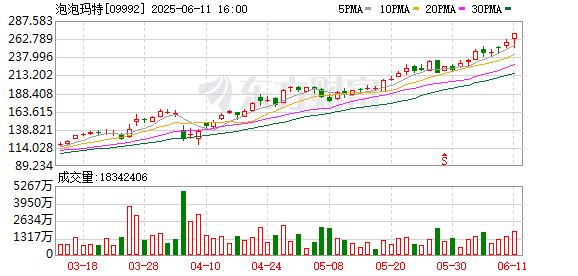
Core Insights - The auction of a unique mint-colored "Labubu" toy for 1.08 million yuan has drawn significant market attention, contributing to the record high stock price of Pop Mart on June 11 [2] - As of the end of Q1, 23 fund companies increased their holdings in Pop Mart by 91.67%, with total fund holdings accounting for 5% of circulating shares [2] - The success of Pop Mart's IP cultivation and operation is uncertain, as many lesser-known IPs may fail to gain traction, potentially impacting inventory and financial health [2][3] IP Cultivation and Commercialization - Pop Mart's 2024 financial report highlights strong performance from major IPs like THE MONSTERS and MOLLY, but many lesser-known IPs are struggling or have been abandoned [3] - The cost of design and licensing for Pop Mart increased from 237 million yuan in 2023 to 507 million yuan in 2024, driven by a higher proportion of self-developed and collaborative products [3] - The cultivation of an IP requires significant time and financial investment, and failures can lead to substantial financial uncertainty for companies like Pop Mart [3] Industry Challenges - The process of developing a successful IP is lengthy and fraught with challenges, including market saturation and consumer fatigue [4] - The rapid turnover of trends means that many IPs may not survive beyond their initial launch, with an average lifespan of 3-6 months for character-based IPs [8] - Pop Mart's inventory issues were highlighted in 2022, with stock levels reaching 867 million yuan amid declining profits [7] Strategic Shifts - Pop Mart is expanding its focus from product sales to IP development and diversification, exploring new product categories and potential collaborations with artists [9][12] - The company aims to enhance its IP's commercial viability by moving into areas like theme parks, games, and animation, thereby creating a more robust narrative around its IPs [12] - The industry is shifting from a focus on visual appeal to building deeper emotional connections with consumers, indicating a need for more substantial storytelling within IPs [12]