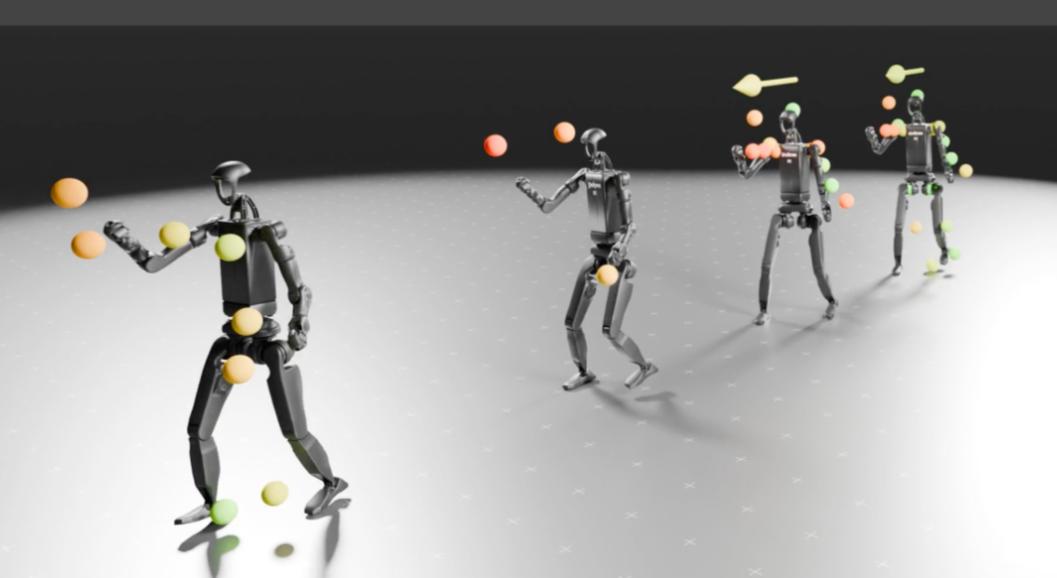
Sim2Real(从仿真到现实)

Search documents
机器人的上限在北京,生死在广东
3 6 Ke· 2025-11-28 10:14
Core Insights - The Chinese robotics industry is experiencing a shift from a focus on advanced algorithms to practical manufacturing challenges, particularly in the context of commercializing humanoid robots [1][3][19] - The Pearl River Delta region, particularly the 50-kilometer industrial belt from Shenzhen to Foshan, is emerging as a critical area for the practical application and production of robotics, leveraging its engineering capabilities and supply chain advantages [2][18] Group 1: Industry Trends - The initial phase of investment in robotics was characterized by a belief in software-driven solutions, but recent developments indicate a need for more durable and cost-effective physical implementations [1][3] - The "Sim2Real" gap highlights the challenges of transferring algorithms from simulation to real-world applications, necessitating physical feedback and robust manufacturing processes [5][19] Group 2: Regional Advantages - Shenzhen is recognized for its rapid validation environment, where policies and market dynamics foster quick iterations and product development [6][9] - Dongguan is positioned as a key area for scaling production, with a focus on reducing costs and increasing capacity to meet market demands [10][12][13] - Foshan serves as a practical testing ground for robotics applications, emphasizing the importance of real-world performance metrics like MTBF and ROI for industrial clients [14][16] Group 3: Future Outlook - The integration of advanced algorithms with robust manufacturing capabilities is essential for the future of embodied intelligence in robotics [19] - The collaboration between top research teams in Beijing and Shanghai and the manufacturing prowess of the Pearl River Delta is seen as a vital strategy for advancing China's robotics industry towards a trillion-dollar market [18][19]