高等教育

Search documents
AI与学术界:教师的看法——数字教育委员会2025年全球AI教师调查
数字教育委员会· 2026-01-25 23:20
数字教育委员会全球人工智能教职员工调查2025 人工智能与学术界:教师们的看法 数字教育委员会全球人工智能教职员工调查2025 前言 The 数字教育委员会(DEC)全球人工智能教师调查 旨在提供关于高等教育中人工智能(AI)的使用和认知的见解,以指导高等教育领导层的决策。当与...一起阅读时... DEC全球 人工智能学生调查 高等学府领导者可以从一开始就描绘其机构对人工智能的态度以及需要开展的工作的全面情况。 该报告涵盖了教师对AI的整体使用情况与认知、对AI对教学和学习影响的认识、对AI在教学整合中的未来准备情况以及对学生机构AI指南和沟通的判断。 这次调查已经收集 1,681个回复 ,来自教职员工 52个参与机构 横跨 28个国家 ,为教育领域中的AI提供了多样化的教员观点。随着各机构努力将AI整合到其课程和教学中,本次 调查旨在向机构领导层传达教员对AI使用的需求和认知。 此调查数据旨在为机构提供关于教育中人工智能的普遍教员情绪的有价值指导点,突出教员在将人工智能融入教学方面的担忧,并识别教员最愿意尝试的人工智能集成潜在领域。全球 人工智能教员调查中体现的多样化和全球视角,如果没有DEC机构成员的支 ...
设300亿元产业基金群 等你回家兴业
Xin Lang Cai Jing· 2026-01-25 18:15
转自:成都日报锦观 设300亿元产业基金群 等你回家兴业 今年是电子科技大学建校70周年。1月24日,成华区与电子科技大学杭州校友会联合主办的"成电七秩风 华·成华与你同行"校友对接会在杭州成功举行。本次活动作为成华区系统性对接电子科大全球校友资源 的系列首站,旨在推动科技成果转化与产业落地,活动吸引了近百位在杭校友企业家及高管参与,共同 探讨如何将母校情谊转化为发展合力。 值得一提的是,为全力支持校友"回家"兴业,成华区现场介绍了从"想法"到"上市"的全周期赋能生态, 具体举措包括:实施专项"回家计划",为校友企业提供丰厚资金支持;设立总规模超300亿元的产业基 金群,已投项目中校友企业占比近四分之一;与电子科大投资共建沙河校区工业软件孵化中心,打 造"前校后厂"的产学研融合新模式;同时,坚定践行"有需必应、无事不扰"的服务理念,为项目落地、 企业发展提供全天候、精准化服务。 @电子科大全球校友 活动中,电子科技大学杭州校友会会长表达了与成华区建立常态化合作机制的热切期望。 成都日报锦观新闻记者 晨迪 ...
西湖大学今年将首次面向山东招生
Xin Lang Cai Jing· 2026-01-25 18:14
据介绍,西湖大学今年在山东招生专业包括生物科学、化学、物理学、数学与应用数学、电子信息工 程、材料科学与工程、人工智能、临床医学等八个专业,要求考生物化全选方可报考。 据西湖大学本科招生负责人徐勤荣介绍,学校综合评价预计在3月份开始报名,大致会有资料审核、初试选 拔、统一高考、学校复试等环节。招生采用"631"模式:高考成绩占60%,学校测试占30%,高中学业水平考 试成绩占10%。 西湖大学2026年在山东能招多少人?校方表示,还要等待招生简章发布。不过,记者注意到,2025年西湖大 学在广东、江苏等地首次招生,同样采用综合评价招生,招生数量均不超过10人。预计2026年在山东的招 生数量也不会超过10人。 记者 徐玉芹 济南报道 1月24日,西湖大学校长、中国科学院院士施一公教授亲自率队来山东"抢"学生了。当天下午,"有朋自'西 湖'来——湖心讲堂特别呈现暨西湖大学本科招生山东专场咨询会"在济南舜耕会堂举行。记者从会上获 悉,2026年西湖大学将首次面向山东省开展综合评价招生。 据介绍,西湖大学每位学生自入学起即配备学术导师,由博导担任,实现"因材施教"。大三学年,所有学生均 享有赴海外名校或著名研究机构 ...
这份大学排名“引发震惊”,怎么看?
Xin Lang Cai Jing· 2026-01-25 15:07
Core Viewpoint - The recent Leiden University ranking has revealed that 8 out of the top 10 universities are from China, with Zhejiang University taking the top spot, while Harvard University has dropped to third place, indicating a significant rise in Chinese higher education and research capabilities [1] Group 1: Ranking Insights - The Leiden University ranking emphasizes research performance, reflecting a specific aspect of university capabilities rather than a comprehensive overview [1] - The shift in rankings over the past two decades shows a notable increase in the performance of Chinese universities, as evidenced by Harvard's decline despite its increased research output [1] Group 2: Global Perception - The rise of Chinese universities has led to a shift in global perceptions, with Western confidence being challenged by the advancements in Chinese education and technology [1] - The expectation is that more international students will consider Chinese universities as their preferred choice, which would provide a more compelling measure of their global standing [1]
海南大学三大二级单位挂牌
Xin Lang Cai Jing· 2026-01-25 13:04
(来源:千龙网) 据悉,三家单位是海南大学与三亚市政府战略合作的重要成果,将聚焦"产学研协同、教科人一体",为 海洋科技攻关和产业升级提供支撑。 1月24日,热带海洋工程材料及评价全国重点实验室、海南大学科技园、海南大学海洋技术与装备学院 挂牌仪式在三亚崖州湾科技城百泰产业园举行。 中国科学院院士、海南大学校长骆清铭表示,此次三大二级单位同步挂牌,是学校依托崖州湾科技城区 位与政策优势,融入国家海洋战略和海南自贸港建设的关键举措。作为海南唯一"双一流"建设高校,海 南大学将扛起使命担当,为自贸港高质量发展贡献智慧与力量。 ...
8937万元!重庆医科大学近期大批仪器采购意向
仪器信息网· 2026-01-25 09:01
Core Viewpoint - Chongqing Medical University has announced procurement intentions for 17 items of laboratory equipment, with a total budget of 89.37 million yuan, scheduled for purchase between September 2025 and December 2026 [1][2]. Procurement Summary - The procurement includes various advanced laboratory instruments such as: - Flow cytometry analyzer, budgeted at 200,000 yuan, aimed at detailed immunological cell typing and monitoring [4]. - Fully automated protein immunoblotting system, budgeted at 250,000 yuan, for protein separation and detection [5]. - Digital PCR system, budgeted at 80,000 yuan, for biomarker research and gene expression analysis [6]. - Cell immune analysis instrument, budgeted at 318,000 yuan, for immunological research [6]. - Mass spectrometer, budgeted at 280,000 yuan, for rapid qualitative and quantitative analysis in various fields [7]. - Gene sequencer, budgeted at 220,000 yuan, for high-throughput sequencing applications [7]. - Other equipment includes a tunnel-type cage washer, high-speed refrigerated centrifuge, and various analytical instruments, with budgets ranging from 64,000 to 3.5 million yuan [8][9][11]. Equipment Requirements - All equipment must meet national standards and technical specifications, ensuring reliability and safety [4][5][6]. - Suppliers must provide comprehensive technical support, including training and maintenance services, with a minimum operational uptime of 99% [5][6][9]. - The procurement process emphasizes the need for after-sales service, including regular maintenance and timely response to service requests [9][11].


我从基层来丨省政协委员吕国富:推进产学研用协同创新,强化高校联动培养贵州人才
Xin Lang Cai Jing· 2026-01-25 07:57
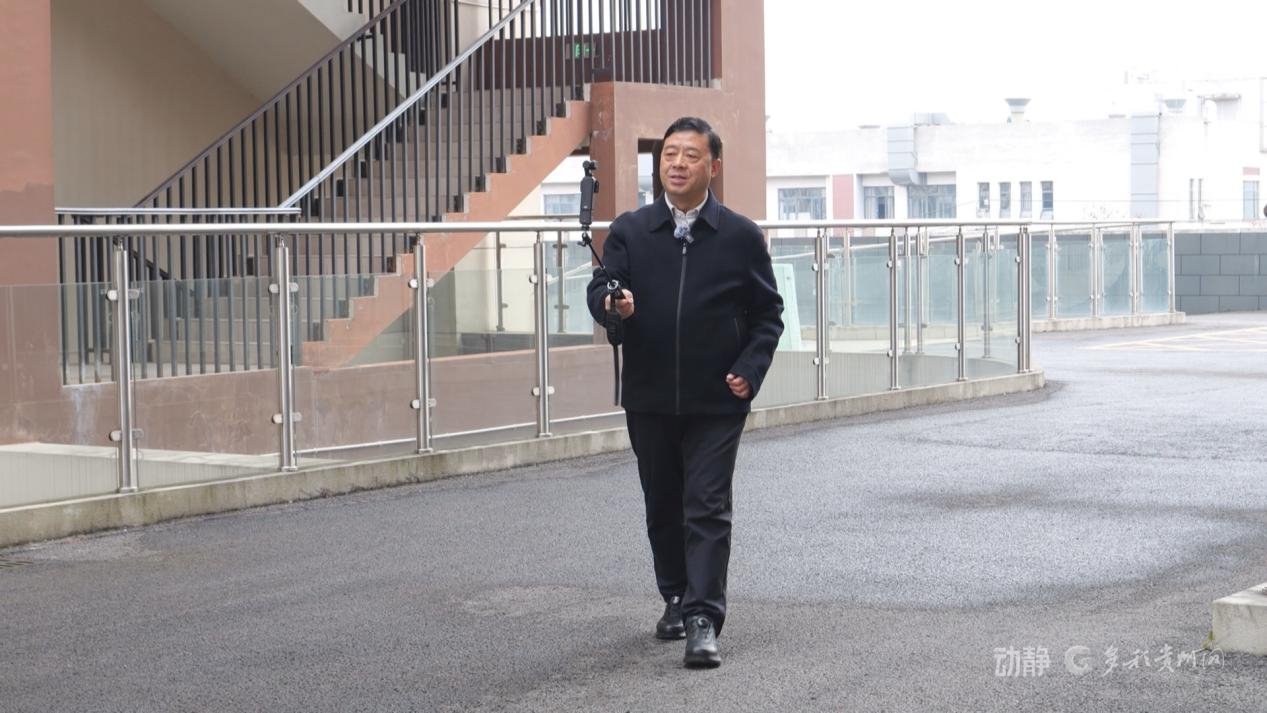
省政协委员吕国富深耕高等教育30多年,是我省哲学社会科学"十大创新团队"学术带头人。过去一年,他所在的贵州民族大学,紧盯产业发展重点,加强与 国内顶级团队协作,推进产学研用协同创新。今天,吕国富带我们看看"富矿精开"联合创新实验室如何破局千亿级产业。 "我是省政协委员吕国富。近年来,我一直关注民族院校在新时代的战略转型,发现其核心是要跳出传统文科优势的'舒适区',主动对接国家与区域重大战 略需求。"吕国富介绍,贵州民族大学依托"组团式帮扶",引进前沿创新队伍,实现理工科建设的"精准突围"。 近年来,贵州民族大学大力实施理工科强化行动,2024年,获批物理学一级学科博士学位授权点,有效填补了全国民族高校尚无物理学博士点的空白。学校 探索实施"民大+名校+名企"产学研融合3M模式。2024年,学校牵头与北京大学化学与分子工程学院、贵州磷化集团联合共建了"富矿精开"联合创新实验 室,开展关键技术攻关和成果转化。 贵州是全国磷矿储量第一的省份,省委、省政府深入实施"富矿精开"和"六大产业集群"建设战略。2024年,在北京大学王炳武教授带领下,"富矿精开"联合 创新实验室团队研发出磷石膏高效净化和转晶等原创性技术,将磷 ...
“全球治理倡议”国际研究联盟成立
Xin Lang Cai Jing· 2026-01-25 00:44
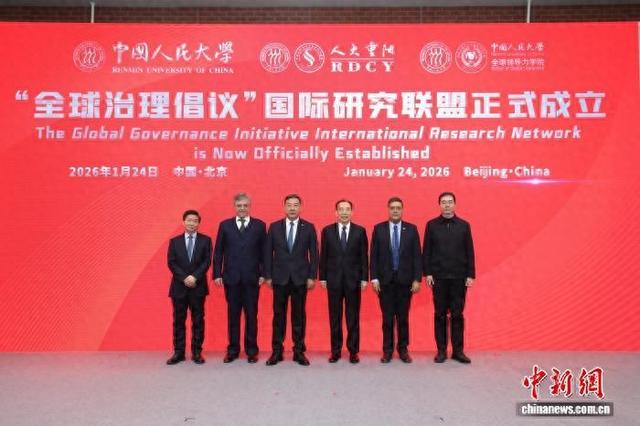
1月24日,"全球治理倡议"国际研究联盟在北京正式成立。(中国人民大学重阳金融研究院供图) 2025年9月,中国提出全球治理倡议,锚定全球治理体制机制改革的方向、原则和路径,向世界贡献了 又一重要公共产品。聚焦这一重大倡议,中国人民大学发起成立"全球治理倡议"国际研究联盟,目前已 有近50个国家和地区的百余位专家学者加盟。 中国人民大学重阳金融研究院院长、全球领导力学院院长王文介绍,"全球治理倡议"国际研究联盟旨在 搭建开放、包容、合作的国际学术网络,将建立联合研究、信息共享、跨境传播、人员互访四大合作机 制,融通中外学术智慧、打破信息国界壁垒、打通传播和交流渠道,为应对全球性挑战、建设更加公正 合理的全球治理体系探寻路径。(完) 中新网北京1月25日电 (记者 曾玥)中国人民大学24日在北京举办全球治理论坛(2026年),"全球治理倡 议"国际研究联盟在会上宣告成立。 ...
寒潮里的科大温度:总有守护,暖你朝夕
Xin Lang Cai Jing· 2026-01-24 22:40
近日,湖南寒潮突袭,气温断崖式下跌。寒风凛冽中,科大校园依旧秩序井然:学员晨跑的身影不曾停歇,家属区的烟火气照常升腾,营门岗哨的值守始 终在岗。 寒潮预警发布后,后勤保障体系迅速响应:明确防雪防冻细则,绿化师傅修剪香樟枯枝防范隐患,维修班组为公寓水表裹好保温棉,应急物资储备充足; 食堂贴心供应御寒汤品,营门及主干道撒布融雪盐,纠察班以温馨提醒传递关怀,全方位筑牢校园保障防线。 低温天气下,空调制热与电力保障高效推进。物业维修小组加班完成当日所有宿舍空调报修工单,电力保障团队24小时监测值守,快速处置故障,引导师 生错峰用电,确保供应稳定。 从寒冬应急保障到日常服务供给,后勤工作者以实际行动筑牢防线。他们数十年如一日的默默坚守,让每一位科大人都拥有"无论风雨,皆可从容"的底 气,也让"科大温度" 在岁月流转中愈发醇厚绵长。 这些默默坚守的后勤工作者,虽不在聚光灯下,却用行动撑起校园的平稳运转。开学前夕,长沙校区三号院新建研究生宿舍楼前彻夜通明,服务保障中心 领导带队值守,如期完成数百间宿舍营具电器安装调试;长沙校区一号院新建宿舍区"十足便利店"四千余种商品每日折扣,精准满足学子便捷与实惠需 求;国庆佳节,丝茅冲 ...

民众走进南京航空航天大学体验梦想与科技交汇之旅
Xin Lang Cai Jing· 2026-01-24 13:25
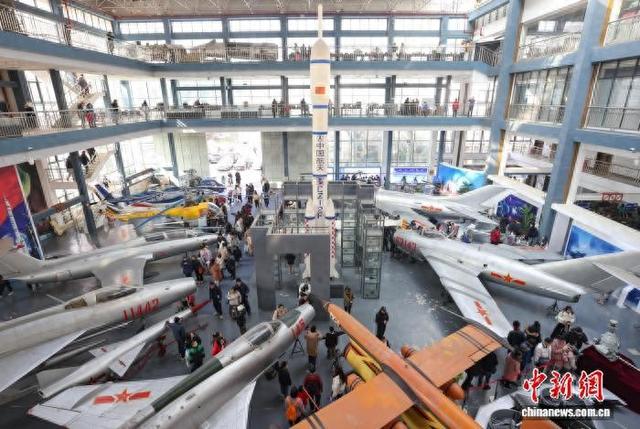
1月24日,南京航空航天大学举办2026年实验室开放日活动,实验室沉浸式参观、航空航天馆探索、航 模飞行表演等吸引民众走近航空航天创新前沿,感受高水平科技的无穷魅力。图为民众参观航空航天 馆。中新社记者 泱波 摄 1月24日,南京航空航天大学举办2026年实验室开放日活动,实验室沉浸式参观、航空航天馆探索、航 模飞行表演等吸引民众走近航空航天创新前沿,感受高水平科技的无穷魅力。图为航空航天先进制造技 术协同创新中心内,展示的机器人吸引孩子的目光。中新社记者 泱波 摄 1月24日,南京航空航天大学举办2026年实验室开放日活动,实验室沉浸式参观、航空航天馆探索、航 模飞行表演等吸引民众走近航空航天创新前沿,感受高水平科技的无穷魅力。图为民众参观航空航天 馆。中新社记者 泱波 摄 1月24日,南京航空航天大学举办2026年实验室开放日活动,实验室沉浸式参观、航空航天馆探索、航 模飞行表演等吸引民众走近航空航天创新前沿,感受高水平科技的无穷魅力。图为家长带着孩子在航空 航天馆参观。中新社记者 泱波 摄 1月24日,南京航空航天大学举办2026年实验室开放日活动,实验室沉浸式参观、航空航天馆探索、航 模飞行表演等吸引 ...