Autonomous Driving

Search documents
Pony Ai, WeRide shares tank as Hong Kong investors digest rush of listings
Yahoo Finance· 2025-11-06 01:30
Core Viewpoint - The stocks of Pony Ai and WeRide fell approximately 10% each on their trading debut in Hong Kong, attributed to oversupply of new listings and their performance in overseas markets [1][2]. Group 1: Company Performance - WeRide shares closed down 10% from their issue price, while Pony Ai stock lost 9.3% after raising nearly $1.2 billion in separate public offerings [1][4]. - Pony Ai raised about $863 million, and WeRide raised nearly $308 million in their share offerings [4]. - WeRide's retail tranche was oversubscribed by more than 77 times, indicating strong interest among investors [4]. Group 2: Market Context - The performance of these stocks coincided with a flat debut for electric vehicle maker Seres Group, which lost 4.6% on the same day [2]. - Hong Kong's equity capital markets have become the most active globally this year, raising $31.25 billion in initial public offerings and secondary listings [2][3]. - The concentration of new listings has led to reduced available capital for each listing, impacting share performance [3]. Group 3: Future Plans - Pony Ai plans to use the funds raised for large-scale commercialization and business expansion, with the CEO expressing confidence in long-term stock performance despite short-term fluctuations [5][6]. - WeRide intends to utilize its listing proceeds for hiring talent, enhancing computing capabilities, global expansion, and establishing a sales network [6].
China WeRide's shares set to open down nearly 8% in Hong Kong trading debut
Reuters· 2025-11-06 01:30
Core Viewpoint - WeRide, a Chinese autonomous driving company, is expected to see its shares open down nearly 8% during its debut on the Hong Kong Stock Exchange after raising approximately $308 million in its listing [1] Company Summary - WeRide raised about $308 million in its initial public offering [1] - The company's shares are anticipated to decline by nearly 8% upon opening on the stock exchange [1] Industry Summary - The listing of WeRide reflects ongoing trends in the autonomous driving sector in China, highlighting investor sentiment and market conditions [1]



WeRide Lists on Hong Kong Stock Exchange, Becoming World's First Publicly Traded Robotaxi Company in Hong Kong and US
Globenewswire· 2025-11-06 01:30
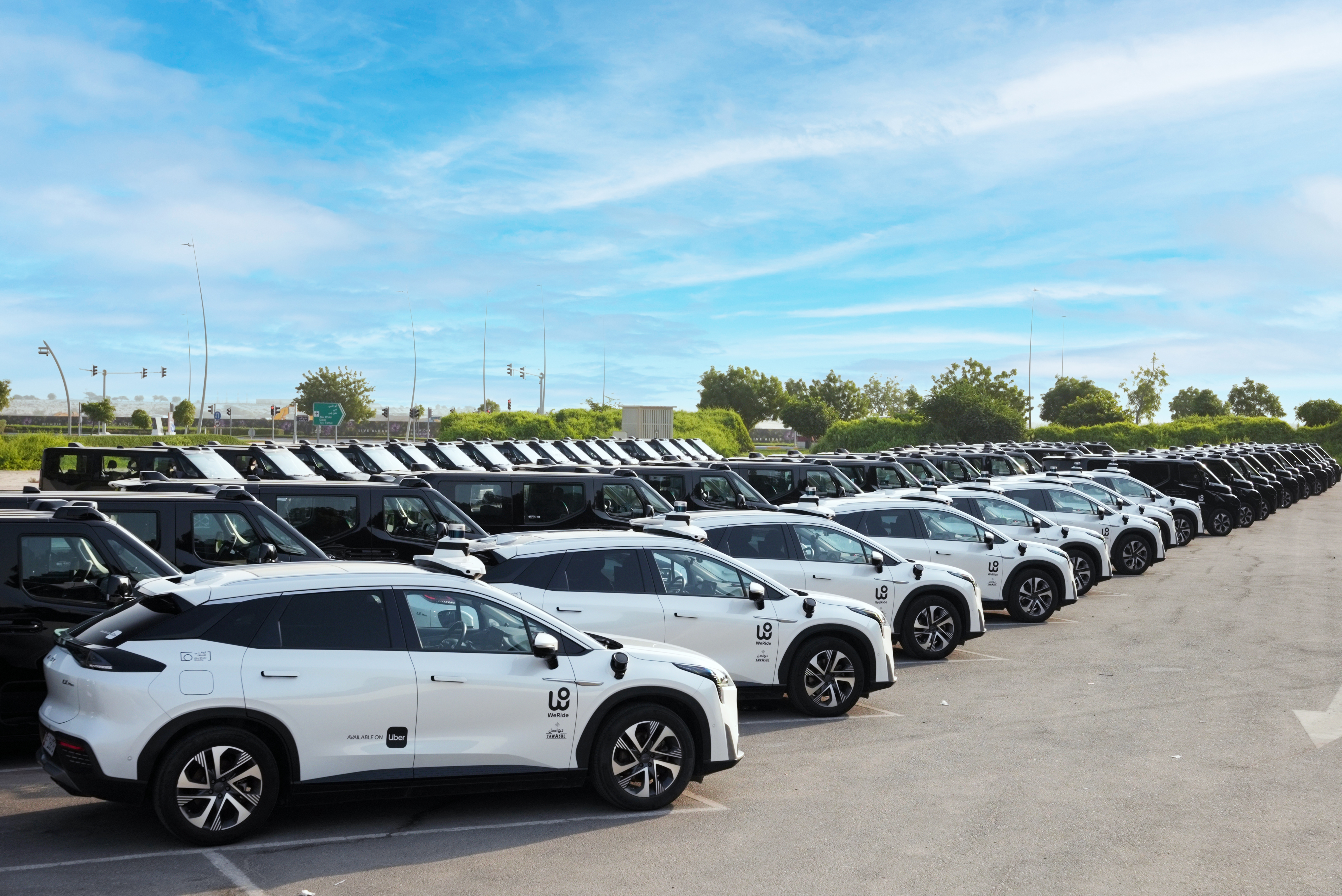
Core Viewpoint - WeRide has successfully listed on the Hong Kong Stock Exchange, becoming the first Robotaxi company to be publicly traded on both Hong Kong and US exchanges, marking a significant milestone in the autonomous driving industry [2][6]. Company Overview - Founded in 2017, WeRide is a global leader in autonomous driving technology, having achieved a dual primary listing on HKEX and NASDAQ [6][14]. - The company operates a fleet of over 1,500 Level 4 (L4) autonomous vehicles, including more than 700 Robotaxis, and holds autonomous driving permits in seven countries [8][14]. Financial Highlights - Under its Hong Kong listing, WeRide issued 88.25 million shares at an offer price of HKD 27.1 per share, raising approximately HKD 2.39 billion [3]. - The listing broadens WeRide's investor base and access to capital markets, facilitating deeper investment in technology R&D [6]. Leadership Commitment - Dr. Tony Han, Founder and CEO, has committed to a three-year lock-up on his shares, reflecting confidence in the company's fundamentals and long-term vision [4]. Technological Advancements - WeRide's proprietary WeRide One platform supports a range of products and services from Level 2 to Level 4, including Robotaxi, Robobus, and Robosweeper [7]. - The company has developed a closed-loop simulation engine, WeRide GENESIS, which reduces road testing costs and accelerates product iteration [7]. Global Operations - WeRide has commercial operations in major cities, including fully driverless Robotaxis in Guangzhou and Beijing, and maintains a first-mover advantage in markets like the Middle East and Singapore [10]. - The company plans to deploy tens of thousands of Robotaxis by 2030 [8]. Strategic Partnerships - WeRide has attracted investments from leading global companies such as NVIDIA, Bosch, Uber, and Grab, enhancing its strategic position in the industry [9]. Industry Recognition - WeRide has been recognized on Fortune's Change the World list and Global Future 50, ranking 16th this year, the highest among Chinese companies [12].
WeRide (WRD) Loses 13.7% Ahead of HK Listing
Yahoo Finance· 2025-11-05 15:10
Core Viewpoint - WeRide Inc. (NASDAQ:WRD) is experiencing significant stock price volatility ahead of its official listing on the Hong Kong Stock Exchange, with a notable decline of 13.72% on Tuesday, closing at $9.40 per share [1][2]. Group 1: Company Performance - WeRide's stock dropped 13.72% as investors adopted a cautious approach before its upcoming listing on the HKEX [1]. - The company is set to debut on the HKEX on November 6, trading under the stock code "0800" [2]. Group 2: Financial Details - WeRide plans to issue over 88.25 million Class A shares, which will include both international and Hong Kong shares [2]. - The final offering price is set at HK$27.10 per share, equivalent to $10.36 per American Depositary Share (ADS), with the potential to raise $308 million [3]. Group 3: Use of Proceeds - Proceeds from the offering will be allocated to the development of autonomous driving technology, accelerating mass production of Level 4 (L4) fleets, enhancing product quality, and expanding business operations [3].
WeRide Achieves SOP for One-Stage End-to-End ADAS Solution, Setting a New Industry Benchmark
Globenewswire· 2025-11-05 10:31
Core Insights - WeRide has achieved Start of Production (SOP) for its one-stage end-to-end Advanced Driver Assistance System (ADAS) solution in collaboration with Bosch, setting a new industry record of seven months from project launch to SOP [1] - The WePilot 3.0 system enhances vehicle capabilities by enabling simultaneous perception and action, supporting various compute platforms and sensor fusion, which allows for safe navigation in complex traffic scenarios [2][3] - WeRide's self-learning architecture of WePilot 3.0 is adaptable across different regions, ensuring alignment with real-world conditions and user needs, and has received positive feedback globally [3] Product Development and Rollout - The one-stage end-to-end ADAS solution will be integrated into the annual refresh of Chery EXEED ES and ET models, with existing owners receiving upgrades via Over-the-Air (OTA) updates [4] - WeRide aims to drive global adoption of ADAS technologies, enhancing the driving experience by making it safer and more enjoyable [4] Company Overview - WeRide is recognized as a leader in the autonomous driving industry, being the first publicly traded Robotaxi company and having tested or operated vehicles in over 30 cities across 11 countries [5] - The company has received autonomous driving permits in seven markets, including China, the UAE, Singapore, France, Saudi Arabia, Belgium, and the US, showcasing its regulatory compliance and market presence [5] - WeRide provides a range of autonomous driving products and services from Level 2 to Level 4, addressing various transportation needs [7]

小马智行:第七代自动驾驶车辆投入运营,总成本下降70%
Xin Lang Ke Ji· 2025-11-05 02:49
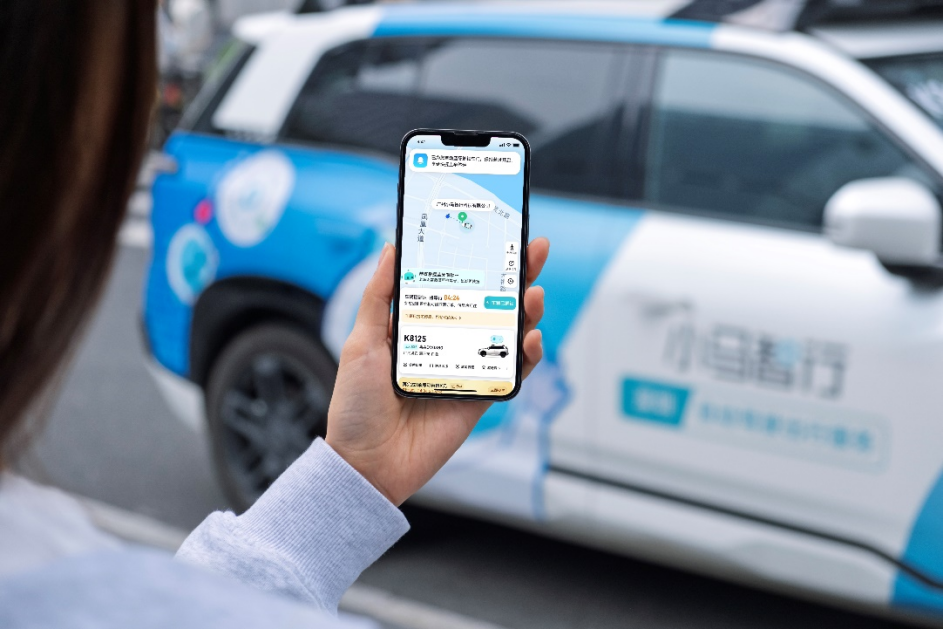
新浪科技讯 11月5日上午消息,小马智行第七代Robotaxi今起宣布上线运营,11月起,第七代极狐阿尔法T5及埃安霸王龙Robotaxi将正 式在广州、深圳等地投入运营,用户只需打开"小马智行"同名App或小程序,点击"呼叫小马",就能体验到功能和体验全新升级的第七 代Robotaxi车型。 责任编辑:宋雅芳 小马智行第七代Robotaxi从今年4月全球首发、6月开启路测,仅用时半年即投入正式运营,为2025年底实现千辆车队规模奠定基础。 据悉,第七代Robotaxi采用了100%车规级零部件,具有60万公里设计寿命,自动驾驶套件总成本较上代下降70%,为自动驾驶规模化 量产和运营落地扫清关键障碍。(文猛) ...
WeRide Announces Pricing of Global Offering
Globenewswire· 2025-11-04 12:00
Core Points - WeRide Inc. has announced the pricing of its global offering of 88,250,000 Class A ordinary shares, which includes both an international offering and a Hong Kong public offering [1][2] - The final offering price is set at HK$27.10 per share, translating to approximately US$10.36 per American depositary share (ADS) [2] - The gross proceeds from the global offering are expected to be HK$2,391.6 million, or HK$2,750.3 million if the over-allotment option is exercised in full [5] Offering Details - The company has granted an over-allotment option for an additional 13,237,500 shares to international underwriters [3] - Trading of the Class A ordinary shares on the Hong Kong Stock Exchange is expected to begin on November 6, 2025, under the stock code "0800" [4] - The offering is subject to customary closing conditions and is expected to close on the same day [4] Use of Proceeds - The net proceeds from the global offering will be used to further develop autonomous driving technology, accelerate commercial mass production of L4 fleets, enhance product quality, expand business scale, and support marketing efforts [5] Company Background - WeRide is a leader in the autonomous driving industry and the first publicly traded Robotaxi company, with operations in over 30 cities across 11 countries [11] - The company has received autonomous driving permits in seven markets, including China, the UAE, and the United States [11] - WeRide's products and services range from L2 to L4 autonomous driving solutions, addressing various transportation needs [11]

Ahead Of Uber's Q3 Earnings, Mark Mahaney Predicts Investors Will Be Looking Out For This Major Update — Outlines Tesla, Waymo's Role - Uber Technologies (NYSE:UBER)
Benzinga· 2025-11-04 08:10
Core Viewpoint - Analysts predict that shareholders are eager for updates on Uber's autonomous roadmap ahead of its third-quarter earnings call [1] Group 1: Autonomous Partnerships - Autonomous partnerships are deemed crucial for Uber's stock value to increase, with a focus on showcasing collaborations with multiple autonomous vehicle (AV) companies [2] - A successful partnership with Waymo in Atlanta is highlighted as a precedent for Uber's future collaborations [2] Group 2: Market Sentiment and Predictions - There is uncertainty in the market regarding the implications of AI and autonomous driving for Uber, despite the company's growth rate and cash flow [3] - The potential for Tesla to emerge as a market leader in autonomous driving is acknowledged, indicating a closing window of opportunity for Uber [4] Group 3: Strategic Partnerships and Goals - Uber has announced a partnership with Nvidia, aiming to deploy over 100,000 autonomous Robotaxis by 2027 [5] - A separate deal with Lucid Group targets the deployment of over 20,000 Robotaxis in major U.S. cities, starting in Las Vegas in 2026 [5] Group 4: CEO Insights - Uber's CEO predicts that most vehicles will become autonomous in the next 20-plus years, likening driving to a leisurely activity [6] - Uber is noted to perform well on momentum and growth metrics, although it has poor value ratings [6]


China's WeRide targets about $308 million in HK listing, Bloomberg News reports
Reuters· 2025-11-04 02:22
Core Viewpoint - Chinese autonomous driving firm WeRide plans to price its Hong Kong share sale at HK$27.10 per share, aiming to raise HK$2.39 billion ($307.7 million) from the listing [1] Company Summary - WeRide is an autonomous driving company based in China [1] - The company is preparing for a share sale in Hong Kong [1] Financial Summary - The planned share price is HK$27.10 per share [1] - The total amount aimed to be raised from the listing is HK$2.39 billion, equivalent to approximately $307.7 million [1]
Street expects Uber to beat earnings results
Youtube· 2025-11-03 21:21
Group 1 - The market is optimistic about Uber's Q3 earnings, with Bank of America and UBS predicting a modest earnings beat driven by strong ride-sharing demand and increased user activity in booking trips and food orders through the app [1] - Despite competition from DoorDash, Uber's delivery segment is expected to remain resilient, and autonomous driving is becoming central to Uber's long-term strategy [2] - Uber and Nvidia have announced plans to develop 100,000 nearly driverless vehicles starting in 2027, indicating the company's vision for a future beyond human drivers [2][3] Group 2 - UBS notes that while the autonomous vehicle (AV) race is intensifying, the threat from robo-taxis is currently limited [3] - With the rising membership in Uber 1, analysts anticipate improvements in both margins and user growth for the company [3] - Uber's shares have increased nearly 60% year-to-date leading up to the earnings report [3]