
第七代Robotaxi

Search documents
小马智行回应“率先盈利”:10万Robotaxi之前营收更重要,特斯拉还没上桌
3 6 Ke· 2026-03-31 03:19
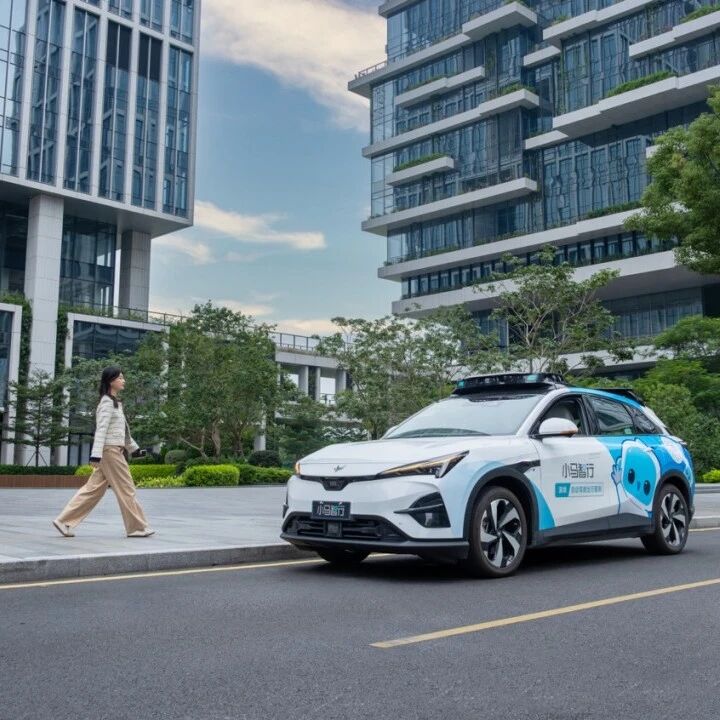
Core Insights - The first globally profitable autonomous driving company, Pony.ai, does not emphasize its profitability, acknowledging it is primarily due to investment gains rather than core business earnings [1] - The company is focused on explaining the sustainable profitability of its Robotaxi service rather than immediate profitability, with a goal to rapidly increase top-line revenue [2] Business Performance - Pony.ai's Robotaxi fleet has surpassed 1,400 vehicles, with the latest seventh-generation Robotaxi achieving positive unit economics (UE) [2][4] - The seventh-generation vehicles utilize automotive-grade hardware and a more cost-effective domestic solution, aiming to reduce Bill of Materials (BOM) costs by 20% by 2026 [4] - Daily revenue per vehicle is approximately 299 yuan, with daily operational costs and depreciation also around 154.5 yuan, indicating a break-even point of 23 rides per day [5] Market Strategy - The company emphasizes that the positive UE indicates that Robotaxi is not merely a money-burning experiment but a viable business model [6] - Pony.ai aims to shift from a full-value chain model to a focus on high-margin technology licensing fees and revenue sharing, reducing capital expenditure (CAPEX) pressure [25] - The strategy includes a gradual increase in the proportion of co-built fleets, allowing for shared vehicle assets and operational management with partners [21][25] Revenue Model - The revenue from Robotaxi can be broken down into four value segments: AI driver technology, vehicle assets, customer acquisition platforms, and fleet management services [11][12][15][17][18] - The company primarily earns from technology licensing fees and potential revenue sharing, with a focus on recurring revenue as a key to financial health [22][25] Future Outlook - The company anticipates achieving overall operational profitability when the fleet reaches 100,000 vehicles, projected around 2029-2030 [29][30] - The emphasis is on achieving rapid top-line growth rather than immediate profitability, with a target of tripling revenue by 2026 [27][46] - The CFO highlighted that the market is willing to pay a premium for high growth, as evidenced by recent financing trends in the industry [27]


小马智行与如祺出行共建Robotaxi车队 首批交付超百辆第七代无人车
Zheng Quan Ri Bao· 2026-03-19 05:42
Core Insights - The delivery of over 100 units of the new GAC Aion Robotaxi equipped with Pony.ai's seventh-generation autonomous driving system marks a significant step towards the marketization of Robotaxi services, providing a replicable model for "technology + operation" collaboration in the industry [1][2] - Pony.ai and Ruqi Mobility are deepening their strategic partnership to build a larger Robotaxi fleet and enhance operational efficiency across a broader range [1][2] Group 1 - The seventh-generation Robotaxi features enhanced safety, cost control, and user experience, with a total cost reduction of 70% compared to the previous generation [2] - The vehicle is designed for a lifespan of 600,000 kilometers and includes features such as Bluetooth unlocking, voice interaction, online music, and pre-conditioning of the cabin, improving passenger comfort [2] - The seventh-generation Robotaxi has achieved operational profitability in Guangzhou and Shenzhen, indicating strong commercial potential [2] Group 2 - The collaboration between Pony.ai and Ruqi Mobility has been ongoing since 2022, with successful joint operations in Guangzhou, leading to valuable experience in collaboration [2] - The upgrade of this partnership signifies a transition for the autonomous driving industry from technology validation to large-scale market operations, reflecting both companies' confidence and long-term commitment to the future of autonomous driving [2]
国泰海通|汽车:智能驾驶商业化提速:技术迭代和商业落地同步推进
国泰海通证券研究· 2026-03-10 14:03
Core Insights - The article highlights advancements in the smart driving sector, emphasizing the simultaneous progress in technology iteration and commercialization, with an overall "overweight" rating for the industry [1]. Group 1: Technological Advancements - Xiaopeng Motors has released its second-generation VLA, significantly improving driving and riding experiences, including a 99% reduction in hard braking, 98% in rapid acceleration, and a 300% increase in front vehicle trajectory prediction accuracy [2]. - WeRide has introduced a new generation GXR, which is expected to reduce vehicle costs by 15%. The GXR features the latest autonomous driving suite, GEN8, which enhances safety and reliability, with a 17-fold increase in point cloud detail and a detection range of up to 600 meters [3]. Group 2: Commercialization Progress - Pony.ai's seventh-generation Robotaxi has achieved monthly single-vehicle profitability in Shenzhen, with an average daily net income of 338 yuan and 23 orders per day as of February 28 [2]. - WeRide plans to launch fully unmanned operations in Dubai by March and will begin public trial operations of the GXR in Singapore on April 1 [3].

【快讯】每日快讯(2026年3月3日)
乘联分会· 2026-03-03 08:38
Domestic News - China has taken the lead in revising the international standard for intelligent vehicle headlights, marking a significant enhancement in its global automotive technology influence [4] - The China Automobile Dealers Association has initiated preparations to implement the "Automotive Industry Pricing Behavior Compliance Guidelines" to standardize pricing practices in the automotive sector [5] - XPeng Motors announced the launch of its second-generation VLA (Vision-Language-Action model), aiming to transition autonomous driving from niche to mainstream usage [6] - Xiaomi's robots have begun internships in automotive factories, with plans for mass deployment in the next five years [7][8] - Tengshi, a luxury brand under BYD, has officially entered the Philippine market with the opening of its first dealership [9] - Guoxuan High-Tech has completed the design of its 2GWh all-solid-state battery production line, with plans for pilot testing by mid-2025 [10] - SAIC-GM-Wuling has delivered the first batch of its Bingguo model to users in Malaysia [11] - Pony.ai's seventh-generation Robotaxi has achieved monthly profitability in Shenzhen, expanding its operational area significantly [12][13] International News - In February, new car sales in the U.S. are expected to reach 1.19 million units, a 3.4% decrease year-on-year but a 6.9% increase from January [14] - South Africa's new car sales grew by 11.4% year-on-year in February, reaching 53,455 units, marking the highest sales record for February since 2013 [15] - Vietnam will implement stricter vehicle emissions regulations starting March 1, 2026, to combat rising pollution levels [16] - Acura, Honda's luxury brand, will officially sell vehicles in Japan for the first time this year, marking a historic milestone for the brand [17] Commercial Vehicles - Five supercharging stations for heavy trucks have been launched in the Beijing-Tianjin-Hebei logistics corridor, featuring advanced charging capabilities [18] - New energy heavy truck manufacturer Zero One Automotive has completed its restructuring into a joint-stock company and plans to initiate a financing program for dealers in 2026 [19] - Yinchuan has released a management plan for testing and commercial demonstration of unmanned logistics delivery vehicles, aiming to reduce logistics costs [20][21] - FAW Jiefang's J7 model has successfully completed a 15,000-kilometer endurance test across diverse conditions in China [22]


小马智行在深圳实现Robotaxi UE转正,已在两座一线城市达成关键突破
IPO早知道· 2026-03-02 13:47
Core Viewpoint - The article highlights the significant progress made by Xiaoma Zhixing in the commercialization of its Robotaxi service, achieving operational profitability in two major Chinese cities, Shenzhen and Guangzhou, which indicates a sustainable economic model for autonomous driving services [4][6]. Group 1: Market Progress - Xiaoma Zhixing announced that its seventh-generation Robotaxi will achieve monthly single-vehicle operational profitability in Shenzhen by February 2026 [3]. - The company has successfully expanded its Robotaxi operational area from 21.7 square kilometers to 167.4 square kilometers by December 2025 [5]. - The operational performance in Shenzhen has been strong, with an average net income per vehicle per day reaching 338 yuan and an average of 23 orders per vehicle per day as of February 28 [4]. Group 2: User Demand and Experience - The user experience has significantly improved with features such as Bluetooth auto-unlock, voice interaction, online music, and pre-conditioning of air conditioning, enhancing passenger comfort [5]. - The paid order volume for Xiaoma Zhixing's Robotaxi in Shenzhen has already exceeded the total for the entire year of 2025 by February 16, 2026 [5]. - During the recent Spring Festival holiday, the average paid orders per vehicle per day reached 26, significantly higher than the national average of 15 orders per vehicle per day in 2025 [5]. Group 3: Cost Structure and Efficiency - The operational costs for each vehicle include depreciation of vehicles and autonomous driving kits, charging costs, maintenance, remote assistance, insurance, labor costs, and infrastructure expenses [6]. - The material costs for the seventh-generation autonomous driving system have been reduced by approximately 70% compared to the previous generation [6]. - The company has improved vehicle utilization and optimized the configuration of remote assistance personnel, enhancing overall operational efficiency [6]. Group 4: Future Outlook - The successful profitability in Shenzhen and Guangzhou demonstrates the replicability of Xiaoma Zhixing's business model in core markets [6]. - The company plans to steadily increase the scale of its pilot operations while maintaining a robust economic model for each vehicle, aiming to enhance order and revenue levels through economies of scale [6].
何小鹏:小鹏第二代VLA开启自动驾驶DeepSeek时刻;知情人士:鸿蒙智行已对违规营销门店进行处罚丨汽车交通日报
创业邦· 2026-03-02 10:05
Group 1 - Hongmeng Zhixing has penalized stores involved in a "short video marketing violation" incident, requiring them to rectify issues, deduct performance scores, and hold responsible parties accountable [2] - Pony.ai announced that its seventh-generation Robotaxi will achieve monthly operational profitability in Shenzhen by February 2026, with an average daily net income of 338 yuan per vehicle and 23 orders per day as of February 28 [2] - Didi Autonomous Driving has established the DiDi Voyager Labs in collaboration with Tsinghua University to focus on cutting-edge research in multimodal large models and reinforcement learning, aiming to advance autonomous driving technology [2] - Xiaopeng Motors unveiled its second-generation VLA, marking a significant step towards fully autonomous driving, with plans for nationwide test drives and public road testing of its Robotaxi [2]

小马智行:第七代Robotaxi深圳单车盈利转正,2026年付费订单超去年总量
Xin Lang Cai Jing· 2026-03-02 01:25
Core Insights - The company announced that its seventh-generation Robotaxi achieved monthly single-vehicle operational profitability in Shenzhen as of February 2026, marking a significant milestone in the commercialization of Robotaxi services in two major Chinese cities [1][3] Group 1: Operational Performance - As of February 28, the average net income per single Robotaxi per day reached 338 yuan, with an average of 23 orders per day [1][3] - By February 16, 2026, the number of paid orders for Robotaxi in Shenzhen exceeded the total for the entire year of 2025 [1][3] - During the recent Spring Festival holiday, the average daily paid orders per vehicle reached 26, significantly higher than the national average of 15 orders per vehicle per day in 2025 [1][3] Group 2: Strategic Validation - The achievement of a positive unit economic model (UE) for Robotaxi in Shenzhen is seen as a validation of the company's technological maturity and commercialization strategy [1][3] - The success in two first-tier cities demonstrates that autonomous driving services are not only technically feasible but also economically sustainable for large-scale operations [1][3]
小马智行-W(2026.HK):获纳入MSCI中国指数 可受惠于被动资金流入
Ge Long Hui· 2026-02-15 02:22
Core Insights - The company is ranked second in China's Level 4 autonomous driving market, holding a 15.4% market share as of the end of 2024, and is the only company to have obtained regulatory approval for autonomous driving services in major cities like Beijing, Shanghai, Guangzhou, and Shenzhen [1] - The market for autonomous driving services in China is projected to grow from approximately $0.7 billion in 2025 to $39.4 billion by 2030 and $183 billion by 2035, indicating exponential growth potential [1] - The company is expected to significantly reduce its net losses in 2025 to between $69 million and $86 million, compared to $275 million in 2024, with a forecasted net loss attributable to shareholders between $126 million and $143 million [1] Group 1 - The company plans to launch its seventh-generation Robotaxi in 2025, achieving a 70% reduction in total costs compared to the previous generation, with savings of 80% in lidar and 68% in autonomous driving computing [2] - The company achieved city-level profitability for its vehicles in Guangzhou in Q3 2025, marking a critical turning point in its commercialization efforts [2] - The fleet size is expected to expand to 1,159 vehicles by Q3 2025, ahead of the target of 1,000 Robotaxis, with plans to exceed 3,000 vehicles by 2026 [2] Group 2 - The company has been included in the MSCI China Index, which will facilitate passive capital inflows [3] - The market anticipates a compound annual growth rate (CAGR) of approximately 70% for revenues from 2025 to 2027, with the current price reflecting a price-to-sales ratio of about 54 times the 2026 forecast [3] - If further regulatory relaxations for autonomous driving are implemented, it could enhance the company's valuation attractiveness [3]
个股推介:小马智行-W
信达国际· 2026-02-13 02:24
Investment Rating - The report assigns a "Buy" rating for the stock, indicating an expected increase of over 15% relative to the Hang Seng Index [6]. Core Insights - Xiaoma Zhixing ranks second in China's Level 4 autonomous driving market, holding a 15.4% market share as of the end of 2024, with significant growth projected in the autonomous driving service market, expected to reach $39.4 billion by 2030 and $183 billion by 2035 [2]. - The company is increasing R&D investments despite recording losses, with expected net losses for 2025 projected to narrow significantly to between $69 million and $86 million, compared to $275 million in 2024 [2]. - The introduction of the seventh-generation Robotaxi in 2025 has reduced the total cost of the autonomous driving kit by 70%, leading to the first city-level single-vehicle profitability in Guangzhou [3]. - Xiaoma Zhixing is expanding its light-asset model through partnerships, which will enhance capital efficiency and accelerate fleet growth, with plans to exceed 3,000 vehicles by 2026 [4]. - Inclusion in the MSCI China Index is expected to attract passive capital inflows, with a projected compound annual growth rate (CAGR) of approximately 70% for revenue from 2025 to 2027 [5]. Summary by Sections Market Position - Xiaoma Zhixing is the only L4 autonomous driving technology company to obtain regulatory approval for autonomous driving services in major cities like Beijing, Shanghai, Guangzhou, and Shenzhen [2]. - The company is strategically seeking overseas expansion opportunities and has already established a presence in eight countries [4]. Financial Performance - The company anticipates a significant reduction in net losses for 2025, with forecasts ranging from $126 million to $143 million, a notable decrease from $274 million in 2024 [2]. - The fourth quarter of 2025 is expected to see a turnaround to profitability, with projected net profits between $14 million and $31 million [2]. Product Development - The seventh-generation Robotaxi is set to launch in 2025, achieving substantial cost savings in key components, which is a critical milestone for the company's commercialization efforts [3]. Strategic Partnerships - Collaborations with partners like Deep Lake West Lake Group and Sunshine Travel are enhancing Xiaoma Zhixing's operational efficiency and fleet expansion capabilities [4]. Market Outlook - The report highlights the potential for increased valuation attractiveness if regulatory policies for autonomous driving are further relaxed in mainland China [5].
小马智行(PONY):2025年公司亏损净额约0.69~0.86亿美元,Robotaxi商业化运营持续推进
Guoxin Securities· 2026-02-09 07:01
Investment Rating - The investment rating for the company is "Outperform the Market" (maintained) [1][3][16] Core Insights - The company is a global leader in the large-scale commercialization of autonomous driving services, focusing on Robotaxi and Robotruck services [3][6] - The company has exceeded its target of 1,000 Robotaxis for 2025, achieving 1,159 units, and aims to have over 3,000 Robotaxis by the end of 2026 [3][9] - The seventh generation Robotaxi has achieved profitability on a per-vehicle basis in urban areas, validating the company's business model [3][9] - The company has adjusted its revenue forecasts for 2025-2027, expecting revenues of $0.89 billion, $1.10 billion, and $2.12 billion respectively, up from previous estimates [3][16] Financial Performance Summary - The company forecasts a net loss of approximately $0.69 to $0.86 billion for 2025, a significant improvement from a net loss of $2.75 billion in 2024 [2][4][5] - For Q4 2025, the company expects a net profit of approximately $0.66 to $0.83 billion, compared to a loss of $0.61 billion in Q3 2025 [2][4][5] - The narrowing of losses in 2025 is primarily attributed to increased fair value gains from investments in listed companies [2][4] Business Developments - The company has initiated comprehensive strategic cooperation with BAIC New Energy, focusing on the mass production and commercialization of L4 level Robotaxis [11][12] - A partnership with Aitboda has been established to develop a fully autonomous driving service fleet, targeting the high-end travel market [15][16] - The company has optimized its Robotaxi's performance features, enhancing user experience and operational efficiency [10][16]