
花卉零售

Search documents
青海西宁千红花艺有限公司成立 注册资本50万人民币
Sou Hu Cai Jing· 2025-11-15 12:34
天眼查App显示,近日,青海西宁千红花艺有限公司成立,法定代表人为张海青,注册资本50万人民 币,经营范围为一般项目礼品花卉销售;新鲜水果零售;工艺美术品及礼仪用品销售(象牙及其制品除 外);日用陶瓷制品销售;日用玻璃制品销售;肥料销售;食品销售(仅销售预包装食品)(除依法须 经批准的项目外,凭营业执照依法自主开展经营活动)。许可项目酒类经营;食品销售;食品互联网销 售(依法须经批准的项目,经相关部门批准后方可开展经营活动,具体经营项目以审批结果为准)。 ...
宜宾市翠屏区冰棠花艺生活馆(个体工商户)成立 注册资本10万人民币
Sou Hu Cai Jing· 2025-10-29 10:50
Core Insights - A new individual business named Yibin Cuiping District Bingtang Flower Art Life Museum has been established, with a registered capital of 100,000 RMB [1] - The legal representative of the business is Tang Qi [1] Business Scope - The business operates in various areas including: - Sales of gift flowers - Conference and exhibition services - Retail of fresh fruits - Sales of pre-packaged food - Retail of arts and crafts, excluding ivory and its products - Packaging services - Urban greening management - Sales of daily necessities - Sales of daily glass products - Sales of daily ceramic products [1]
沅江市木兮鲜花工作室(个体工商户)成立 注册资本10万人民币
Sou Hu Cai Jing· 2025-10-15 05:14
Core Insights - A new individual business named "Yuanjiang City Muxi Flower Studio" has been established, with a registered capital of 100,000 RMB [1] Company Overview - The legal representative of the studio is Liang Menglin [1] - The business scope includes general projects such as gift flower sales, manufacturing of arts and crafts and ceremonial supplies (excluding ivory and its products), retail of arts and crafts and collectibles (excluding ivory and its products), fresh fruit retail, and food sales (limited to pre-packaged food) [1] - The business is authorized to operate independently based on its business license, except for projects that require approval by law [1]
9.9元一束的绣球花,拿捏“精致抠”
3 6 Ke· 2025-07-29 09:00
Core Insights - The article discusses the evolution of flower consumption in China, highlighting a shift from luxury imports to affordable everyday flowers, reflecting changing consumer attitudes towards floral purchases [1][13][18] Group 1: Market Trends - Ecuadorian roses gained popularity in 2013, with import volumes increasing by 300% and prices ranging from 80 to 150 RMB per stem [4][5] - The perception of flowers has transformed from luxury items to everyday emotional support, with consumers now prioritizing affordable options [17][18] - The rise of "super flowers" like hydrangeas and peonies, which are now available at prices as low as 9.9 RMB, indicates a democratization of flower consumption [18][20] Group 2: Consumer Behavior - Consumers are increasingly purchasing flowers for personal enjoyment rather than for gifting, with 63% of women citing mood regulation as their primary motivation [17][18] - The phenomenon of "Monday flowers" reflects a trend among young professionals who seek to enhance their daily lives with affordable floral arrangements [16][18] - The shift in consumer behavior is evident as individuals like Lin Na transition from extravagant purchases to more budget-conscious choices [14][15] Group 3: Supply Chain Innovations - The introduction of order agriculture has revolutionized the flower industry, allowing for price reductions and increased sales volumes [29][30] - The collaboration between flower growers and retailers has led to a more efficient supply chain, with farmers experiencing a 50% increase in income while providing stable low prices to consumers [30][31] - Instant retail has transformed the purchasing process, enabling consumers to buy flowers on impulse rather than through pre-orders [31][32] Group 4: Future Outlook - The flower market in China is projected to continue evolving, with a focus on personalized and customized offerings driven by AI technology [32][33] - The competitive landscape of the 220 billion RMB flower market is expected to intensify as companies explore innovative solutions and consumer preferences shift [33]

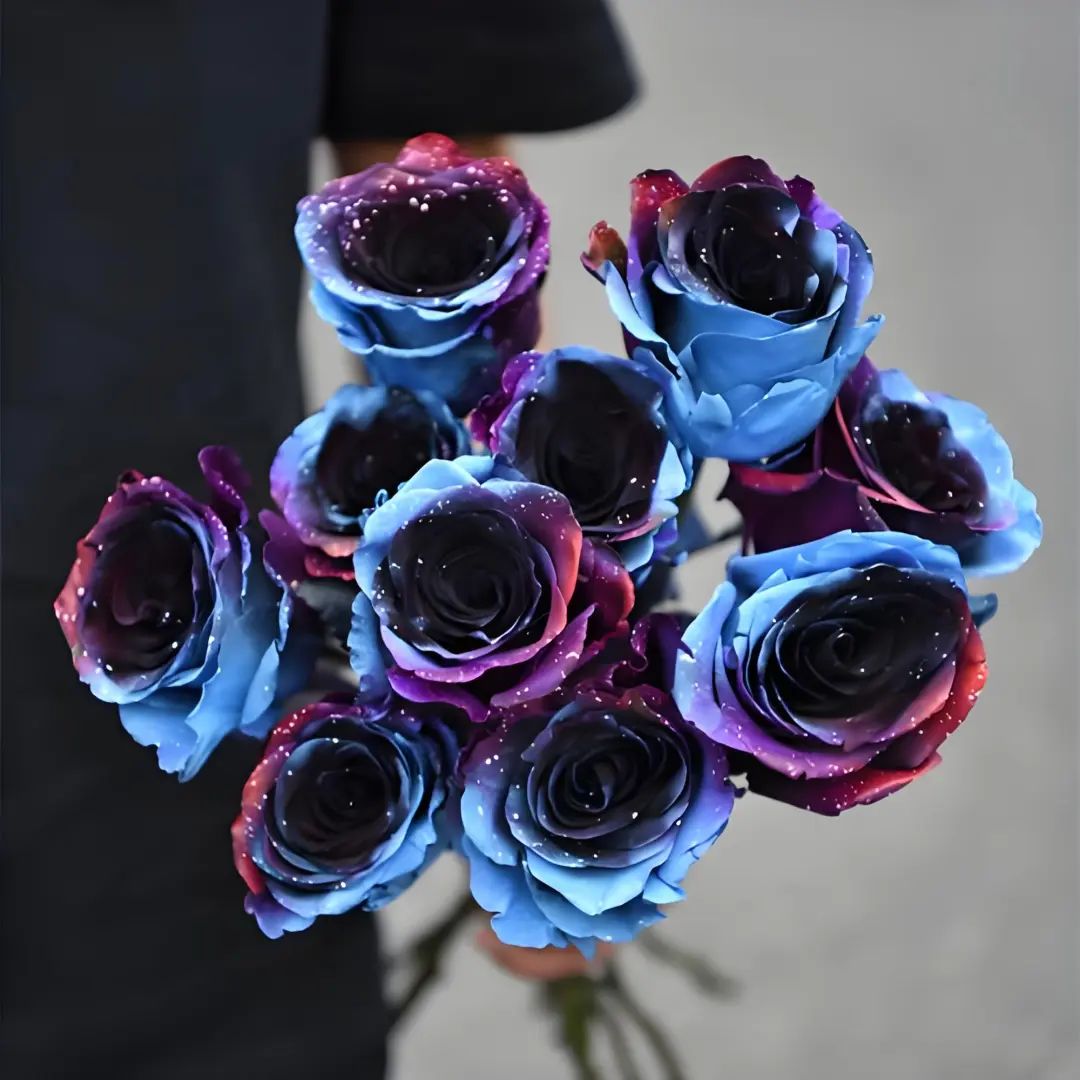
“520”迎鲜花销售热潮!今年新注册花店企业多分布在新一线城市
Qi Cha Cha· 2025-05-20 08:50
Core Insights - The "520" festival, symbolizing love, has led to a surge in flower sales, with a notable increase in orders from both couples and younger generations sending flowers to friends [1] Group 1: Company Data - There are currently 294,300 flower-related enterprises in China, with the majority (29.39%) established within the last 1-3 years [2] - Companies established within the last year account for 17.74%, while those operating for over 10 years represent 8.95% [2] Group 2: New Registrations - In 2024, a total of 66,100 new flower-related enterprises are expected to be registered, with 20,300 already registered this year [3] - New registrations are predominantly found in new first-tier cities, accounting for 21.02%, followed by second-tier cities at 20.38% and third-tier cities at 19.54% [3] Group 3: Regional Distribution - The East China region leads in new flower shop registrations this year, making up 29.74% of the total [4] - The Southwest and North China regions contribute 19.55% and 11.40% respectively to the new registrations [4]