集邮

Search documents
白酒、邮票、红木家具,多个行业遇冷,专家:年轻人不和你玩了!
Sou Hu Cai Jing· 2025-07-02 05:08
Core Insights - The consumption patterns of young people are significantly changing the market landscape in China, leading to a decline in traditional industries such as liquor, art, and high-end furniture [1][5]. Group 1: Alcohol Industry - The consumption of liquor, particularly Baijiu, has seen a drastic decline among young adults, with the percentage of those in their 20s consuming it dropping to below 10% by 2020, down from previous years [3]. - Baijiu production has decreased by nearly 30% year-on-year, affecting even leading companies like Moutai [3][11]. Group 2: Art and Collectibles - The art auction market has shrunk by over 50%, with participation from individuals in their 20s falling below 10% [5]. - Collectibles such as stamps have become less appealing, now primarily enjoyed by older generations [5]. Group 3: High-End Furniture - High-end furniture, particularly rosewood, is struggling due to its high price and bulkiness, leading to significant sales declines and inventory buildup [5]. - Young consumers prefer simpler, more lightweight options over traditional luxury items [5]. Group 4: Overall Consumer Behavior - Young consumers are increasingly prioritizing immediate needs over luxury items, showing reluctance to take on debt for housing or invest in high-end goods [7]. - There is a shift towards valuing tangible, practical experiences over status symbols, with a preference for fast-moving consumer goods [9][11].


越来越多人离开,市场涣散!2025年邮市将面临更多挑战!
Sou Hu Cai Jing· 2025-05-24 13:53
Group 1 - The philately market has experienced a significant decline, with many collectors leaving due to various challenges faced by the industry [1][2][4] - The younger generation shows little interest in stamps, contributing to the shrinking market [2][4] - The number of stamp collectors has drastically decreased from 30 million to less than 100,000 over the past few decades, influenced by technological advancements and cultural shifts [4] Group 2 - The rapid development of the internet has led to information chaos in the philately market, with issues such as counterfeits and misleading promotions affecting the industry [5] - Unethical practices have severely impacted the credibility of the philately market, causing many passionate collectors to suffer financial losses [5][6] - The high level of market homogeneity has disappointed many collectors, leading to a lack of willingness to invest in this "aging" industry [6] Group 3 - The diversification of the collectibles market has drawn attention away from philately, with collectors exploring various other categories such as coins and art [6] - The traditional collectible category of philately faces the challenge of standing out among numerous emerging collectible options [6]

新邮打折、消费观念变化,经典版邮册面临严峻挑战!
Sou Hu Cai Jing· 2025-05-22 19:50
Core Insights - The classic stamp album market is facing unprecedented challenges due to a decline in demand and changing consumer attitudes [1][12] - The aging demographic of stamp collectors and the shift in interests among younger generations contribute to the shrinking collector base [1][3] Group 1: Decline of the Stamp Collecting Community - The stamp collecting community is gradually aging, with younger generations shifting towards interests that align with a fast-paced lifestyle [1][3] - There is a scarcity of individuals willing to invest time and effort into researching and organizing stamps, leading to a yearly decline in the industry [3] Group 2: Transformation of Consumer Attitudes - Modern consumers prioritize immediacy and practicality over the collectible value that was once emphasized [4][5] - The desire to purchase stamp albums, which require long-term storage and have uncertain appreciation, has significantly diminished [4] Group 3: Market Environment and Investment Channels - The overall economic climate impacts the stamp market, with consumers reducing spending on non-essential items during economic downturns [6] - The proliferation of modern investment channels, such as stocks, funds, and cryptocurrencies, leads consumers to prefer more liquid and high-yield investment options over stamp albums [6] Group 4: Supply and Demand Imbalance - The postal authorities have failed to effectively control the issuance of stamps, resulting in an oversupply that exceeds demand [8] - The increasing number of new stamps diminishes the scarcity and investment value of classic stamp albums, further affecting their appeal [8] Group 5: Mismatch Between Traditional Albums and Modern Consumer Needs - The traditional format and slow content updates of classic stamp albums do not meet consumers' demands for novelty and personalization [9][10] - Compared to emerging cultural products with unique designs and innovative packaging, classic stamp albums appear less attractive [10] Group 6: Industry Challenges and Future Directions - The decline of classic stamp albums reflects not only a shrinking market demand but also a broader cultural and consumer behavior shift [12] - To overcome current challenges, the industry must focus on innovation and adapt to modern consumer trends, particularly in engaging younger audiences [12]
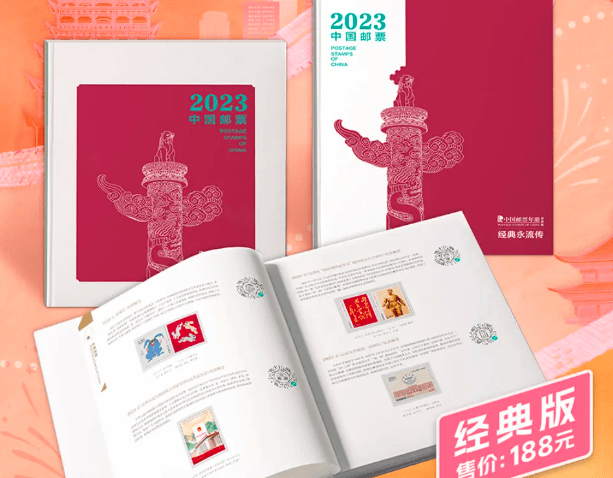
集邮市场惨淡!经典版邮册卖不动,购物欲望降低难挡!
Sou Hu Cai Jing· 2025-05-19 14:23
Core Insights - The philately market is experiencing unprecedented stagnation, particularly with classic stamp albums seeing a significant drop in sales [1] - The decline in interest among consumers indicates a major challenge for the philately market [1] Market Cooling Reasons - The cooling of the philately market is attributed to multiple intertwined factors, primarily the aging demographic of stamp collectors [2] - Many traditional collectors are older, while younger generations show little interest, leading to a cultural transmission gap [4] Consumer Mindset and Market Changes - Modern consumers increasingly demand immediacy and practicality, making long-term collectibles like stamp albums less appealing due to unpredictable appreciation potential [5] - Economic uncertainty has led consumers to be more cautious, opting for investments with clearer returns and greater liquidity, such as stocks, real estate, or digital currencies [6] Issues in the Stamp Market - The excessive issuance of stamps by postal authorities has contributed to the decline, resulting in oversupply and significant devaluation risks for stamp albums [7] - The themes of newly issued stamps often cater to traditional subjects, failing to attract younger audiences [7] Impact of Emerging Cultural Products - New cultural products and collectibles are more innovative in design and packaging, appealing to modern consumer aesthetics and values [8] - Traditional stamp albums are perceived as bulky and impractical in contemporary lifestyles, further exacerbating market decline [8] Future Outlook - The decline of the philately market reflects broader changes in market environment and social demand, necessitating innovation and adaptation to revive interest [12] - Addressing the challenges of aligning traditional collecting with modern trends will be crucial for the future of philately [13]
集邮市场低迷不振,集邮人热情不高!销毁减量救不了邮市!
Sou Hu Cai Jing· 2025-05-07 16:06
Market Overview - The philately market is currently experiencing a downturn, with a significant decline in the number of collectors from tens of millions in the 1990s to less than one million today [1][3] - Strategies such as destroying inventory and reducing new stamp issuance, which were effective in the past, are now inadequate and may further shrink the niche market [3] Challenges in Attracting New Collectors - The decline in the philately market is not solely due to supply-demand imbalance but also stems from the inability to cultivate a new generation of collectors [4] - Current philately activities targeting youth and schools have not yielded significant results, as they fail to meet the broader public's needs [5] Accessibility Issues - Non-collectors face challenges in accessing stamps, with many unaware of online platforms for purchasing new stamps, and existing channels being cumbersome [7] - Events like university stamp releases often focus on selling high-priced gift albums instead of face-value stamps, disappointing the public and missing opportunities to engage new collectors [8] Proposed Solutions - The key to revitalizing the philately market lies in improving access to face-value stamp purchases and increasing public participation [11] - Simplifying the purchasing process and enhancing the visibility of new stamps could lead to a resurgence in interest and engagement in philately [11] Future Outlook - The decline in the philately market is not irreversible, and finding a new balance to rejuvenate interest is crucial for the industry's stakeholders [11]

短腿邮品市场火热,摇号公正性引发担忧!
Sou Hu Cai Jing· 2025-04-28 05:55
Core Viewpoint - The introduction of the lottery mechanism for stamp sales has led to significant price increases, raising concerns among collectors about fairness and transparency in the process [1][2][4]. Group 1: Issues with the Lottery Mechanism - The original intention of the lottery system was to ensure fair distribution of scarce stamps among collectors, but operational issues have emerged over time [2][4]. - Many collectors have expressed concerns about the lack of transparency in the lottery process, including the inability to track their lottery numbers and unclear oversight of the execution [4][5]. - The emergence of bulk purchases of lottery stamps by a few individuals has raised suspicions that the system may be exploited by certain interest groups, leaving ordinary collectors at a disadvantage [6][7]. Group 2: Pricing and Distribution Concerns - The pricing of lottery stamps has become a significant issue, with examples showing price premiums as high as 400%, such as the special edition stamp priced at 48 yuan compared to its face value of 9.6 yuan [8][9]. - The limited supply of stamps available through the lottery exacerbates market imbalances, as seen with the example of a commemorative stamp with a distribution of only 10,000 out of 128,000 total issued [11][12]. Group 3: Need for Reform - The filtering mechanism intended to prevent scalping and protect genuine collectors has been criticized for being overly strict, discouraging participation [15][17]. - To address the controversies surrounding the lottery system, it is essential for the postal department to enhance transparency and allow public oversight of the lottery process [18][19]. - Future reforms should focus on improving the transparency of the lottery mechanism and adjusting pricing and distribution strategies to ensure fair access for all collectors [20].