Display Panel

Search documents
TCL科技:拟共同投建第8.6代印刷OLED生产线项目,t8项目预计总投资约295亿元
Sou Hu Cai Jing· 2025-09-12 14:23
Core Viewpoint - TCL Technology announced a collaboration with the Guangzhou Municipal Government and the Guangzhou Economic and Technological Development Zone Management Committee to establish an 8.6-generation printed OLED display panel production line, which aims to enhance China's competitive position in the global new display industry [1] Group 1: Project Details - The project involves the construction of a production line with a monthly processing capacity of approximately 22,500 glass substrates measuring 2290mm × 2620mm [1] - The total investment for the project is approximately RMB 29.5 billion, with an agreement to jointly contribute RMB 14.75 billion to the registered capital of the project company [1] - TCL Huaxing will contribute RMB 8.85 billion to the project [1] Group 2: Strategic Implications - This initiative is expected to help China seize strategic advantages in the global new display industry and lead advancements in technology exploration and commercialization breakthroughs [1]

TCL科技:拟投资建设第8.6代印刷OLED生产线项目,项目总投资约295亿元
Xin Lang Cai Jing· 2025-09-12 13:37
Group 1 - TCL Technology announced a project cooperation agreement with the Guangzhou Municipal Government and the Guangzhou Economic and Technological Development Zone Management Committee to jointly build an 8.6-generation printed OLED display panel production line with a monthly processing capacity of approximately 22,500 glass substrates measuring 2290mm × 2620mm [1] - The total investment for the T8 project is approximately RMB 29.5 billion, with all parties agreeing to contribute a total of RMB 14.75 billion to the registered capital of the project company [1] - TCL Huaxing will contribute RMB 8.85 billion, while the Guangzhou Municipal Government and the coordinating state-owned enterprises will contribute a total of RMB 5.9 billion [1]
TCL科技:拟约295亿元投建第8.6代印刷OLED生产线项目
Zheng Quan Shi Bao Wang· 2025-09-12 13:35
Core Viewpoint - TCL Technology and its subsidiary TCL Huaxing have signed a project cooperation agreement with the Guangzhou Municipal Government and the Guangzhou Economic and Technological Development Zone Management Committee to jointly build an 8.6-generation printed OLED display panel production line, with a total investment of approximately 29.5 billion yuan [1] Investment Details - The new production line will have a monthly processing capacity of about 22,500 glass substrates measuring 2290mm x 2620mm, targeting applications in flat panels, laptops, and monitors [1] - The total investment for the project is approximately 29.5 billion yuan, with an agreed joint capital contribution of 14.75 billion yuan to the project company, which is responsible for construction and operation [1] - TCL Huaxing will contribute 8.85 billion yuan, while the Guangzhou Municipal Government and state-owned enterprises coordinated by the Guangzhou Economic and Technological Development Zone Management Committee will contribute a total of 5.9 billion yuan [1] Financing Structure - The remaining investment required beyond the registered capital will be addressed through loans from a syndicate and other legally compliant methods [1]
都是肩膀上面一个脑袋,我凭啥让你收购我
叫小宋 别叫总· 2025-07-14 00:56
Core Viewpoint - The article discusses the challenges of mergers and acquisitions (M&A) in the semiconductor industry, contrasting it with the more fluid M&A environment in Western markets, and highlights the mindset of founders regarding selling their companies to competitors [1][2]. Semiconductor Industry M&A Status - The semiconductor industry is categorized under "pan-semiconductor," sharing similarities with solar and display panel industries in terms of materials and equipment used [2]. - Founders returning from the U.S. may perceive local competitors from solar and display sectors as less sophisticated, leading to reluctance in M&A discussions [2][4]. Market Dynamics and IPO Standards - The standards for listing on the Science and Technology Innovation Board (科创板) are continuously rising, making it difficult for companies that would have qualified in the past to meet current criteria [5][6]. - The increasing standards across various boards reflect the evolving nature of industries and the need for companies to adapt to market expectations [6][7]. Barriers to M&A - Two significant barriers to M&A are the existence of listing performance agreements and valuation discrepancies between private companies and public counterparts [12]. - Many private companies have valuations that exceed those of similar public companies, complicating potential acquisition discussions [12]. Founder Mindset - Founders often have a strong attachment to their companies, viewing the idea of selling to a competitor as an insult, which can hinder M&A opportunities [4][21]. - The average age of entrepreneurs in the primary market is around 45, and their experiences often lead to a strong desire for an independent IPO rather than selling their companies [20][21]. Conclusion - The article emphasizes the need for continued efforts in the primary market to address the cultural and structural barriers to M&A, suggesting that a shift in mindset among founders is necessary for change [22].

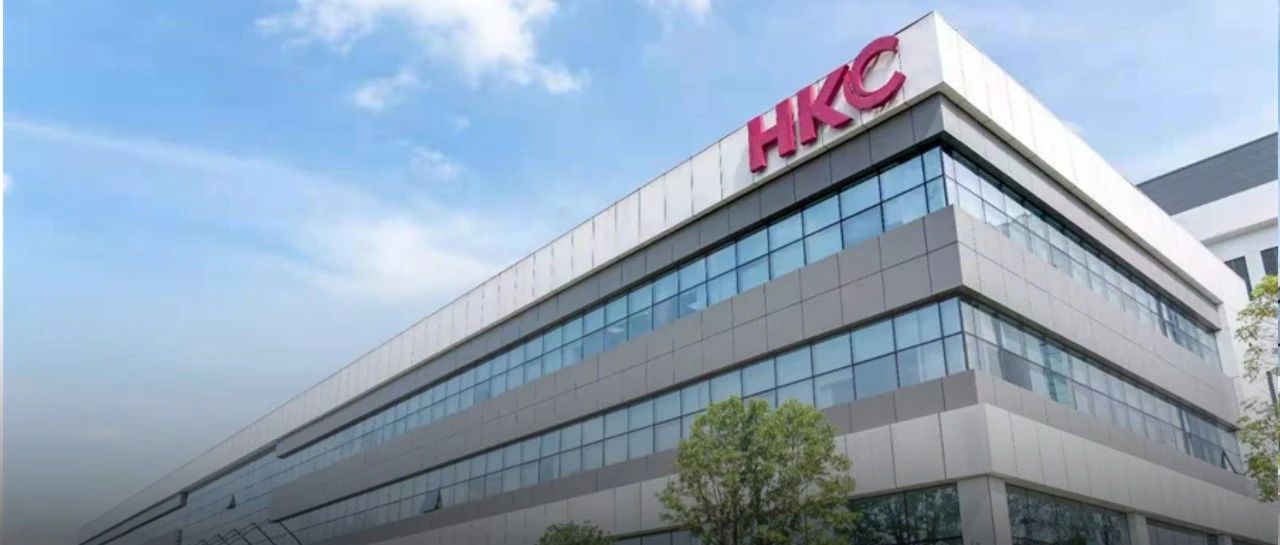
30亿!惠科再扩产
WitsView睿智显示· 2025-05-29 10:01
Core Viewpoint - The article discusses the investment and development of IGZO technology in the display panel industry, highlighting the advancements made by companies like Changsha Huike and others in the domestic market [1][9]. Group 1: Investment and Project Development - Changsha Huike plans to invest 300,007.36 million yuan in the Oxide R&D and industrialization project, which will cover an area of 15,486 m² and have a total construction area of 60,000 m² [1]. - The project aims to produce 15,000 pieces per month of IGZO glass substrates, enhancing the company's production capabilities [1]. - In 2024, Huike's new oxide display products, including a 27-inch 2K gaming monitor, have already completed shipping, showcasing the company's commitment to innovation [2]. Group 2: IGZO Technology Overview - IGZO (Indium Gallium Zinc Oxide) is a thin-film transistor technology that improves electronic performance by adding an IGZO metal oxide layer to the active layer of TFT-LCDs [3]. - Compared to traditional a-Si technology, IGZO offers higher electron mobility, lower power consumption, and higher transparency, making it suitable for large high-resolution displays [4][6]. - IGZO technology requires only process improvements on existing a-Si production lines, significantly reducing conversion costs [4]. Group 3: Competitive Landscape and Market Trends - Domestic panel manufacturers are increasingly investing in IGZO technology, with companies like China Electronics Panda and BOE leading the way in establishing IGZO production lines [7][8]. - The article notes that IGZO technology complements a-Si and LTPS technologies, driving innovation in display experiences across various applications, including smartphones and automotive displays [9]. - The ongoing development of LTPO technology, which combines features of LTPS and IGZO, is also highlighted as a significant trend in the industry [6].
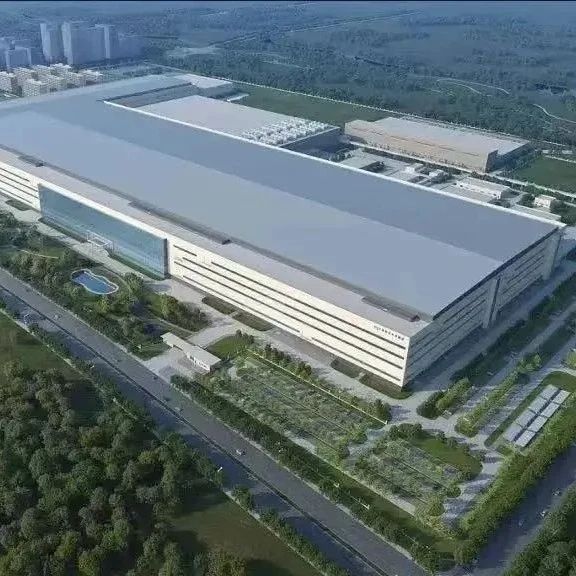
京东方国内首条第8.6代AMOLED生产线设备搬入
WitsView睿智显示· 2025-05-21 05:43
Core Viewpoint - BOE (京东方) has accelerated the construction of its 8.6-generation AMOLED production line in Chengdu, with equipment installation completed four months ahead of schedule, positioning the company favorably in the AMOLED market [1][3]. Group 1: Project Overview - The 8.6-generation AMOLED production line in Chengdu was initiated on March 27, 2024, and reached full structural completion on September 26, 2024, ahead of schedule [2]. - The total investment for the project is 63 billion RMB, with a designed capacity of 32,000 glass substrates per month, each measuring 2290mm x 2620mm [2]. - The production line will focus on medium-sized AMOLED panels for mid-to-high-end laptops and tablets, while also having the capability to produce flexible OLED panels for smartphones [2]. Group 2: Competitive Advantage - BOE completed the construction phase of the production line in 183 days, transitioning to operational readiness ahead of competitors who are still in the planning stages for similar production lines [3]. - With the addition of the 8.6-generation line, BOE will operate a total of four AMOLED production lines across Chengdu, Chongqing, and Mianyang, enhancing its production capacity in the AMOLED segment [3].

面板价格观察 | 3月电视面板与显示器面板价格预期上涨
TrendForce集邦· 2025-03-06 07:31
Core Viewpoint - TrendForce predicts that TV panel prices will rise in March 2025, while notebook panel prices are expected to remain stable. The demand for TV panels is stable but influenced by factors such as tariffs, leading to potential adjustments in orders if terminal demand changes [2]. Group 1: TV Panels - The demand for TV panels remains stable, but there are concerns regarding tariffs and potential changes in terminal demand, which could lead to order adjustments [2]. - The Chinese "trade-in" policy continues to stimulate demand, with expectations for price increases in March: 32-inch panels are expected to rise by $0.5, 43-inch by $1, 55-inch and 65-inch by $1, and 75-inch by $2 [2]. Group 2: Monitor Panels - Monitor panel prices are expected to rise in March due to the ongoing increase in TV panel prices and manufacturers' preparations. However, uncertainties in market demand due to tariffs may lead to significant differences in expectations between manufacturers and clients [4]. - Open Cell monitor panels are projected to increase by $0.1 to $0.2, with specific increases for 21.5-inch FHD by $0.1 to $0.2, 23.8-inch FHD by $0.2 to $0.3, and 27-inch FHD by $0.1 [4]. Group 3: Notebook Panels - The demand for notebook panels is stable, with brands that have completed their layouts less affected by tariff issues. Brands that have not yet established their layouts are accelerating adjustments and preparing inventory [5]. - Manufacturers are focusing on maintaining relationships with clients and securing orders, adopting a wait-and-see approach amid market uncertainties. As both buyers and sellers are cautious, notebook panel prices are expected to remain stable in March [5].