
Home Appliances

Search documents
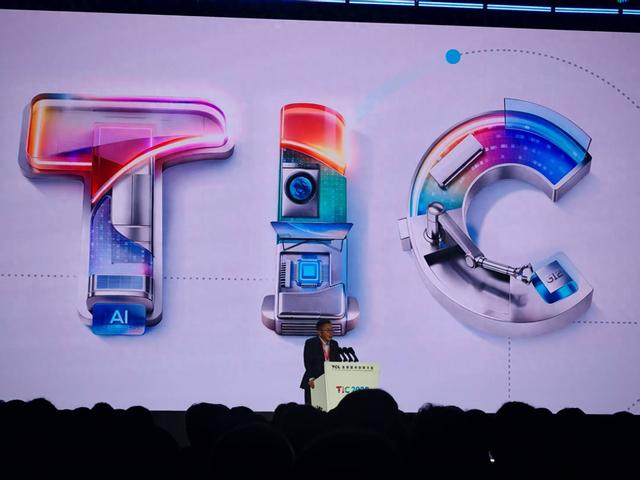
AI赋能由虚向实,TCL加速进军白电
Guan Cha Zhe Wang· 2025-12-12 15:08
Core Viewpoint - AI is transitioning from concept to deep industrialization, becoming a key driver for future growth, as emphasized by TCL's founder and chairman, Li Dongsheng, at the 2025 TIC [1] Group 1: Industry Landscape - TCL is shifting resources towards the white goods sector to compete against traditional giants like Midea, Gree, and Haier, as well as internet brands like Xiaomi [1][4] - The white goods market is characterized by a "Matthew effect," where the strong get stronger, making TCL's ambition to enter the top tier more urgent [4][10] Group 2: AI Implementation - TCL aims to utilize AI technology in air conditioners, refrigerators, and washing machines to differentiate itself in a saturated market [1][5] - The company focuses on practical AI applications rather than superficial "smart" features, addressing real user needs and enhancing product relevance [3][4] Group 3: Product Innovations - In air conditioning, TCL employs a "small model + reinforcement learning" approach to significantly reduce energy consumption, achieving a 40% reduction in initial hours and an additional 18% over time [5] - The washing machine addresses the "iron triangle" of speed, cleanliness, and resource efficiency, achieving a 5% reduction in energy consumption and a 10% decrease in wash time [5] - The refrigerator features advanced preservation technology, enhancing food freshness for up to 15 days and improving freezing speed from 58 minutes to 30 minutes [5] Group 4: User Experience - TCL integrates AI voice assistants to simplify user interaction, allowing for natural language control of appliances [6] - The company offers tailored solutions for different scenarios, such as AI sleep mode in air conditioners and AI smart washing features [6] Group 5: Competitive Advantages - TCL benefits from group-level technology and channel reuse, enhancing its competitive edge in the white goods market [7][9] - The company has established a robust service and support network, comparable to that of Midea and Haier, which aids in its brand expansion [9][10] Group 6: Market Strategy - TCL's strategy emphasizes full-chain layout to mitigate market risks, contrasting with competitors reliant on external supply chains [10] - The company has achieved vertical integration, maintaining stable supply and cost advantages amid industry challenges [10] Group 7: Future Goals - TCL aims to rapidly penetrate the mid-to-high-end market, with a focus on promoting its washing and refrigeration products [12] - The company acknowledges challenges such as brand recognition and global market expansion, while committing to original innovation and core technology development [14]


箭牌家居(001322) - 001322箭牌家居投资者关系管理信息20251212
2025-12-12 13:56
Group 1: Market Strategy and Competition - The company will focus on retail channel construction as the core strategy for 2026, enhancing refined operational management to boost retail channel growth [1] - The implementation of a dual-driven approach in product and marketing aims to optimize product sales structure and improve gross margin [1] - Continuous internal management reform and cost reduction efforts are expected to enhance operational quality and reduce expense ratios [1] Group 2: Product Development and Collaboration - The company is advancing cooperation with Hongmeng Smart Selection to promote new products like smart bath heaters and showers through online and offline channels [1] - Leveraging the ecological resources of the Hongmeng platform will enhance internal operational capabilities in product planning, development, and launch processes [1] Group 3: International Market Expansion - The company has experienced a decline in overseas revenue this year but plans to continue its international strategy with differentiated market approaches [2] - Establishing partnerships with local distributors and expanding offline store layouts in key overseas markets are part of the strategy [2] - The company is also focusing on online sales through major overseas e-commerce platforms and brand collaborations to drive international business growth [2] - Despite a decrease in export revenue to the North American market, there has been significant revenue growth in markets outside North America [2]
新疆乌苏市市场监管局开展冬季取暖产品暨工业产品质量安全“暖冬守护”专项执法行动
Zhong Guo Shi Pin Wang· 2025-12-12 07:49
Group 1 - The core viewpoint of the articles emphasizes the importance of ensuring safety in winter heating products through enhanced regulatory measures and consumer education [1][2] Group 2 - The regulatory authority in Urumqi, Xinjiang, has initiated a special enforcement action called "Warm Winter Guardian" to inspect the quality and safety of winter heating products such as electric blankets and heaters [1] - A total of 45 enforcement personnel were deployed to inspect 73 retail and wholesale outlets, identifying two issues that required rectification [1] - The authority is focusing on the verification of product certifications and compliance with advertising standards to prevent misleading claims and ensure consumer safety [1] Group 3 - The agency is committed to a long-term approach to strengthen the regulation of mandatory certification products and enhance consumer awareness through educational materials and safety tips [2] - Future efforts will include a combination of supervision, enforcement, and consumer guidance to improve the quality safety monitoring of heating products [2]
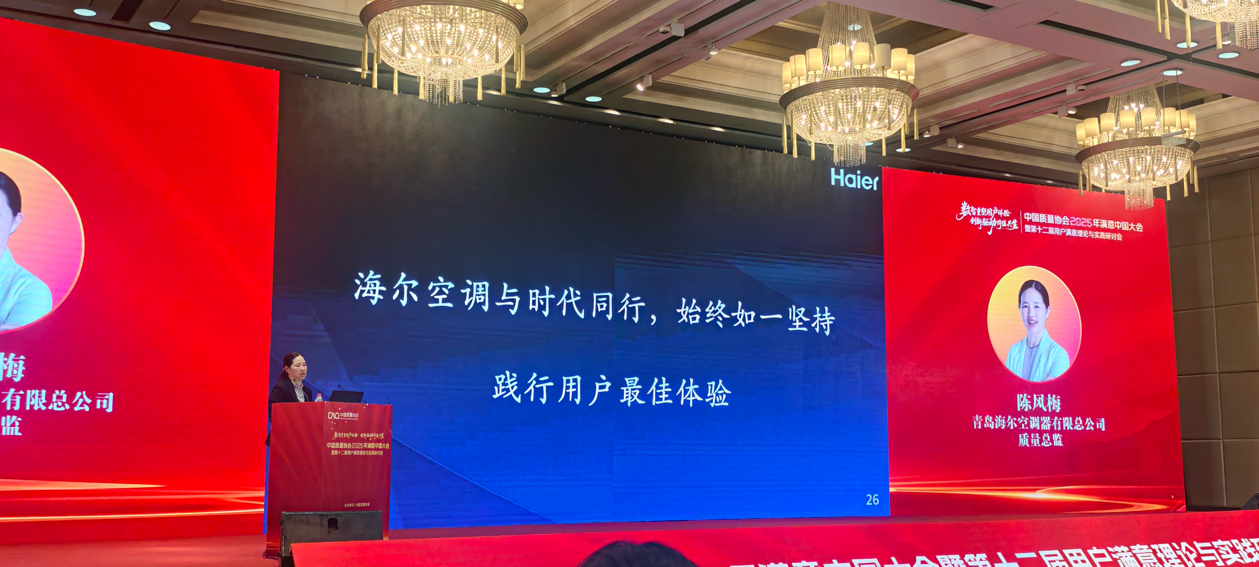
用户给五星,市场给AAA:海尔空调做对了什么?
Huan Qiu Wang· 2025-12-12 05:32
Core Insights - Haier Air Conditioning has achieved the highest dual certifications in the home appliance industry, namely the "User Satisfaction Level Evaluation Five-Star Certification" and the "Market Quality Credit AAA Level Certification," validating its long-term strategy of creating the best user reputation [1] Group 1: User Satisfaction and Management System - Haier Air Conditioning has transformed user feedback into a systematic management process, establishing "creating the best user reputation" as a guiding principle [2] - The management closed-loop includes user cloud platforms, global R&D networks, smart lighthouse factories, and "four comprehensive" star services, ensuring end-to-end coverage from demand insight to service implementation [2] - The results show a service satisfaction rate exceeding 99.9% for three consecutive years, a decline in user complaints, and an increase in profits, demonstrating the conversion of reputation into commercial value [2] Group 2: AI Integration and Process Improvement - The efficient operation of the system is attributed to the deep integration of AI technology across the entire chain, enabling precise identification of user pain points and demand forecasting [4] - AI simulations and smart algorithms have significantly shortened technical validation cycles and accelerated product iterations, with a "User Reputation Committee" established to analyze online evaluations in real-time [4] - The "Smart Home Brain" platform anticipates user needs, such as filter cleaning and material replacement, aiming for proactive service rather than reactive maintenance [4] Group 3: Shift in Competitive Focus - Haier Air Conditioning's practices provide a reference model for systematic operation of user experience, indicating a shift in competition from product functionality to comprehensive user experience design and meticulous management [5] - The achievement of dual certifications signals a new phase in the home appliance industry, where the core competition is moving towards "experience co-win" [5] - Haier plans to continue deepening the integration of AI with user services, optimizing the closed-loop of "creating the best user reputation" to build a more resilient brand moat in an era where trust is increasingly valuable [5]

扫地机鼻祖,要破产了
3 6 Ke· 2025-12-11 09:38
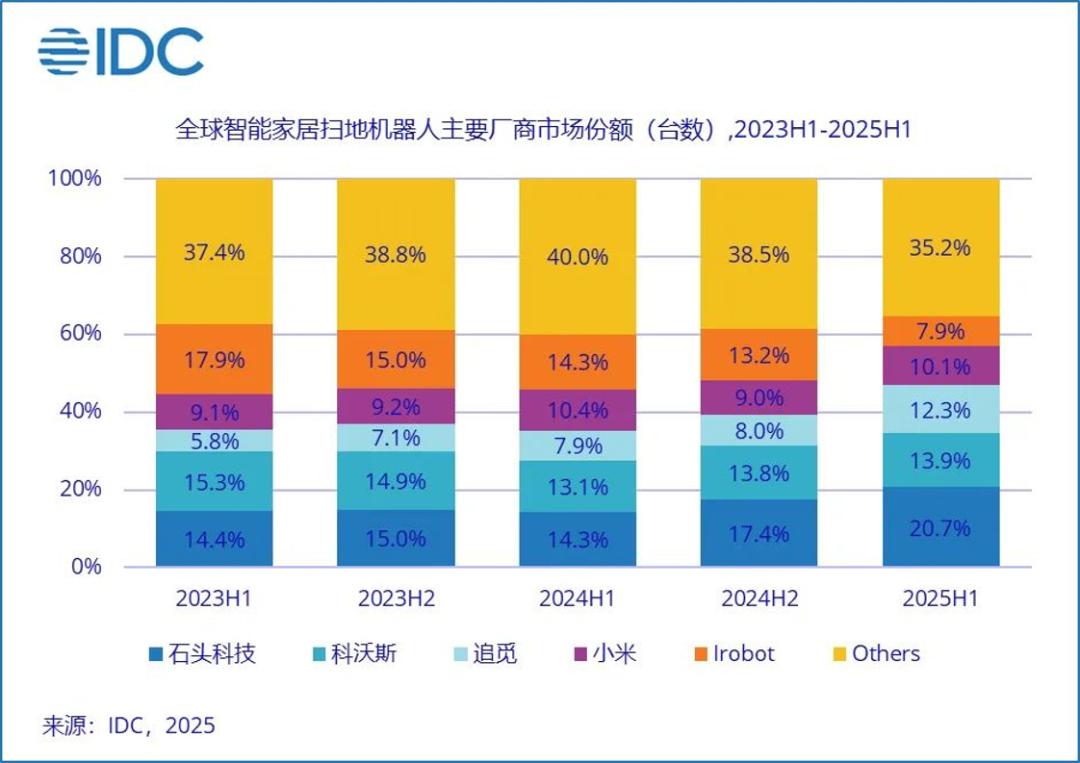
Core Insights - iRobot, the pioneer of robotic vacuum cleaners, is effectively declaring bankruptcy as it faces significant financial challenges and operational disruptions [5][10]. Financial Situation - iRobot has announced that Santrum, a subsidiary of Shenzhen Santrum Robotics, has acquired the $190.7 million principal and interest owed to The Carlyle Group [1][2]. - As of November 24, 2025, iRobot owes $161.5 million to Picea (Santrum), with $90.9 million already overdue, which could lead to a breach of contract if not remedied within 30 business days [3][4]. - The company's revenue has drastically declined from $1.565 billion in 2021 to an estimated $680 million in 2024, with Q1-Q3 revenues for this year reported at $10.2 million, $12.8 million, and $14.6 million respectively [11][12]. Strategic Review and Operations - iRobot's ongoing strategic review process is unlikely to yield any transactions outside of bankruptcy proceedings, indicating a severe operational standstill [6][8]. - The management's focus has been diverted from core business operations due to the strategic review, impacting resource allocation [9]. Market Position and Competition - iRobot's market share has been rapidly declining, particularly due to increased competition from Chinese brands in the robotic vacuum sector [15][16]. - The company has previously attempted to attract external strategic investors, but a potential acquisition by Amazon was thwarted by antitrust reviews [13][14]. Stock Performance - Following the announcement of its financial situation, iRobot's stock price has seen a significant increase, rising to $4.2 per share, which is double its lowest point [18].
长虹美菱(000521) - 000521长虹美菱投资者关系管理信息20251211
2025-12-11 09:14
Group 1: Domestic Refrigerator Business Strategy - The company is advancing a "marketing transformation and direct-to-user" strategy in the domestic refrigerator market, focusing on high-quality customer operations and comprehensive user engagement [1] - New product launches include multiple M fresh products, emphasizing "best preservation and quality thawing," and promoting unique value products like "Big Whale Joy" and "Big Freezer" [1] - The company is enhancing team training for traffic operation and improving new media capabilities to strengthen user-centric operations [1] - High-quality channel operations are prioritized, with a focus on enhancing existing channel capabilities and accelerating retail transformation in core stores [1] Group 2: Overseas Refrigerator Business Strategy - The overseas refrigerator market strategy involves reshaping product platforms based on mainstream market structures and increasing product investment [2] - The company is focusing on global consumer demand trends, promoting products like "frost-free, variable frequency, multi-door, and energy-efficient" [2] - Expansion efforts are concentrated on the Asia, Africa, and Latin America markets to continuously increase market share and develop a strong international brand image [2] Group 3: Domestic Air Conditioning Business Strategy - The domestic air conditioning market strategy includes optimizing sales rhythms and conducting special promotions offline while leveraging popular products online to drive traffic growth [3] - Product development is driven by user needs and innovation, with a focus on enhancing the connection between R&D and market needs [3] - The company is transitioning from B2B to B2C marketing, shifting focus from "goods to customers" to "goods to users" [3] Group 4: Overseas Air Conditioning Business Strategy - The overseas air conditioning market strategy emphasizes improving product matrices and accelerating platform development to meet customer needs [5] - The company is targeting markets in Latin America, the Middle East, and Europe, focusing on core customers to enhance cooperation [5] - There is a commitment to brand prioritization and deepening market presence to ensure sustainable growth of proprietary brand businesses [5]

云鲸CEO张峻彬发全员信否认被收购 称正全力冲刺香港上市
Nan Fang Du Shi Bao· 2025-12-09 17:04
Core Viewpoint - The CEO of the company, Zhang Junbin, has denied rumors regarding a potential acquisition by Jiuyang, emphasizing the company's commitment to pursuing an IPO in Hong Kong and addressing internal management and competitive challenges [1][2]. Group 1: Acquisition Rumors and IPO Plans - Zhang Junbin refuted the acquisition rumors, stating they are intended to undermine employee morale, and reaffirmed the company's determination to proceed with its IPO plans [2]. - The company has made significant progress in its capital efforts, having secured $100 million in financing led by Tencent and a robotics fund, with a valuation exceeding 10 billion [2]. Group 2: Internal and External Challenges - The company is facing internal challenges, including frequent management changes, with key personnel departures impacting operations [3]. - The competitive landscape for robotic vacuum cleaners is intensifying, with the company holding a 14.7% market share, ranking fourth behind major brands like Ecovacs and Roborock [3]. - The average selling price of robotic vacuums has declined, squeezing profit margins and increasing market concentration, making survival difficult for smaller players [3]. Group 3: Future Strategy - The company aims to focus on "efficient operations" in 2026, avoiding the pitfalls of becoming a "large company" and emphasizing cost-effective management practices [4]. - Zhang Junbin highlighted the need for improved operational awareness and efficiency to navigate the competitive landscape and ensure the success of the IPO process [4].
云鲸CEO张峻彬发全员信否认被收购,称正全力冲刺香港上市
Nan Fang Du Shi Bao· 2025-12-09 15:18
Core Viewpoint - The CEO of the company, Zhang Junbin, has denied rumors regarding a potential acquisition by Jiuyang, emphasizing the company's commitment to pursuing an IPO in Hong Kong and addressing key issues such as financing, valuation, and employee options [2][3] Group 1: Company Response - The company has refuted acquisition rumors, stating that such claims are intended to undermine employee morale. The CEO reaffirmed the company's determination to proceed with its IPO plans despite external interest in acquisition or strategic investment [3] - The company has recently completed a $100 million financing round led by Tencent and the Beijing Robotics Industry Fund, with a valuation exceeding 10 billion [3] - The employee option pool has surpassed the CEO's personal shareholding, highlighting the company's commitment to incentivizing its core team [3] Group 2: Internal and External Challenges - The company is facing internal challenges, including frequent management changes, with key personnel departures such as the product head and the China region head, which may impact operational stability [4] - The company has undergone a reduction in workforce from 1,600 to 1,400 employees, which the CEO characterized as an efficiency improvement rather than a mass layoff [4] - Externally, the robotic vacuum industry is experiencing intense competition, with the company holding a 14.7% market share in China's online market, ranking fourth behind leading brands [4] - The average selling price of robotic vacuums has declined since 2025, further squeezing profit margins for manufacturers, and the top five brands now account for nearly 90% of the market share, increasing survival challenges for smaller players [4] Group 3: Future Strategy - The company has designated 2026 as a critical year, focusing on efficient operations and avoiding the pitfalls of becoming a "large company" with inefficiencies [6] - The CEO has called for enhanced operational awareness among employees, emphasizing the importance of achieving results efficiently and cost-effectively in response to competitive pressures [6]

12月开始,四大“跳水潮”要来了?除了房子,这三样也会更便宜
Sou Hu Cai Jing· 2025-12-09 07:35
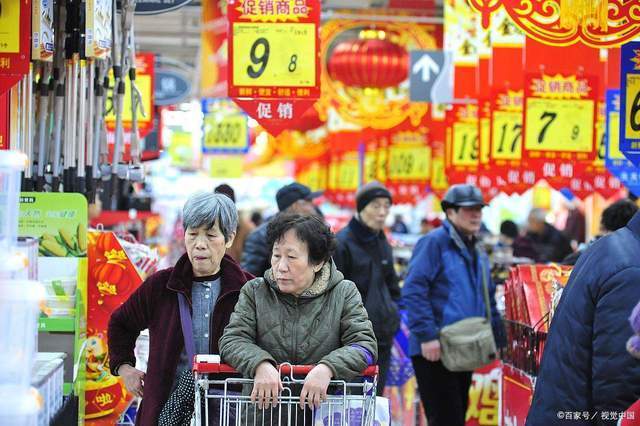
Group 1: Price Trends in Consumer Goods - The cost of daily necessities such as rice, toiletries, cooking oil, and paper products has increased significantly, with supermarket visits now costing between 300 to 500 yuan compared to just over 200 yuan previously [1] - The price of lunch boxes has risen from 15-16 yuan to 20-25 yuan, indicating a general increase in living costs for consumers [1] Group 2: Real Estate Market - New housing prices have started to decline, with developers offering discounts of 15-20% to boost sales before year-end, following a disappointing sales season [5] - The increase in second-hand housing listings has led to greater negotiation power for buyers, with potential price reductions of 200,000 to 300,000 yuan [5] Group 3: Automotive Market - The automotive market is experiencing a "price drop wave," with domestic and foreign brands reducing prices, particularly electric vehicles seeing reductions of 20,000 to 30,000 yuan and luxury imports by 80,000 to 100,000 yuan [7] - The decline in prices is attributed to year-end sales strategies, rapid technological advancements, and increased competition between fuel and electric vehicles [7] Group 4: Small Appliances - Small appliances such as rice cookers, vacuum cleaners, and juicers are undergoing clearance sales with average price reductions of 15-20% [10] - The clearance promotions are driven by the need for manufacturers to clear inventory and the fast-paced product updates in the small appliance sector [10] Group 5: Pork Prices - Pork prices have decreased significantly from over 30 yuan per jin to 17-18 yuan per jin, representing a drop of over 40% [13] - Factors contributing to the decline include oversupply due to increased pig farming investments, changing consumer preferences towards other meats, and sensitivity to income fluctuations among consumers [13]
主题性阿尔法与消费 - 消费及零售会议总结:主题要点与核心问题解答-Thematic Alpha & Consumer-Consumer & Retail Conference Wrap Up Thematic Takeaways and Answers to Key Questions
2025-12-09 01:39
Summary of Key Points from Morgan Stanley Consumer & Retail Conference Industry Overview - The conference focused on the consumer and retail sectors, highlighting key themes such as the K-Economy, social commerce, AI adoption, health and wellness trends, and tariff impacts [1][2][9]. Core Themes and Insights 1. **K-Economy Dynamics** - Consumer-facing industries are experiencing a bifurcated economy, with lower-income segments under spending pressure while higher-income cohorts remain resilient. Companies are cautiously optimistic, focusing on branding, product differentiation, and innovation to sustain demand amid a soft macro environment [5][12]. 2. **Social & Agentic Commerce** - Retail brands are leveraging social platforms and AI to transform shopping experiences. Social commerce is accelerating the path from awareness to transaction, with platforms like TikTok Shop playing a significant role. This shift is redefining engagement strategies and reducing reliance on traditional advertising [5][20]. 3. **AI Adoption** - AI adoption in consumer industries is in early stages but expanding rapidly. Companies are using AI for pricing, supply chain automation, and customer service, leading to productivity gains and cost savings. Most companies are still exploring AI use cases without major structural changes [5][24]. 4. **Health, Wellness, & GLP-1s** - Health and wellness trends are reshaping consumer priorities, influenced by medical innovations and lifestyle changes. The rise of GLP-1 drugs is prompting companies to adapt their offerings to cater to health-conscious consumers [5][32]. 5. **Tariffs and Mitigation Strategies** - Tariffs remain a source of uncertainty, but companies are implementing multi-pronged strategies to protect margins, including supply chain diversification and selective price increases. Strong pricing power has allowed many companies to absorb cost pressures with minimal impact on volume [5][39]. Consumer Health Insights - The health of the US consumer is stable overall, with some softness in lower-income segments due to external pressures like government shutdowns and SNAP payment timing. Higher-income spending remains resilient, supporting holiday performance tracking in line with expectations [8][10]. Company-Specific Insights - **Walmart (WM)**: Positioned well for both good and bad economic times, expanding its target audience to higher-income consumers while maintaining strong e-commerce capabilities [13]. - **Coca-Cola (KO)**: Acknowledged a tough consumer backdrop but emphasized strong execution and revenue growth management strategies [14]. - **Kimberly-Clark (KMB)**: Experienced volume and mix growth by offering premium product features at various price points, focusing on innovation to sustain demand [16]. - **Estee Lauder (EL)**: Noted a positive outlook for US consumers, leveraging social commerce to drive traffic and sales [20]. - **Peloton (PTON)**: Aiming to become a total wellness provider, expanding offerings in mental health and nutrition in response to consumer needs [34]. Market Sentiment and Future Outlook - Companies expressed cautious optimism for 2026, anticipating a steadier environment as tariff-driven inflation fades. However, the overall sentiment is more tempered compared to previous years, with many expecting stable demand trends and balanced margin expectations [51][52]. Key Questions Addressed - **Consumer Demand**: 74% of companies expect stable demand over the next 12 months, with only 22% anticipating acceleration [53]. - **Margin Expectations**: Margin outlook is evenly split between tailwinds, balance, and headwinds, contrasting with last year's overwhelmingly positive outlook [57]. - **Technology Investment**: 100% of companies expect technology investment levels to either rise or remain stable in the coming year [61]. This summary encapsulates the key themes and insights from the Morgan Stanley Consumer & Retail Conference, providing a comprehensive overview of the current landscape and future expectations in the consumer sector.


