证券交易所

Search documents
港交所科技100指数登场!追踪大市值科企,涵盖六大行业
Nan Fang Du Shi Bao· 2025-12-09 09:32
Core Viewpoint - The Hong Kong Stock Exchange (HKEX) has launched the HKEX Technology 100 Index, marking its first stock index for Hong Kong stocks, aimed at expanding its index business and promoting the development of the regional capital market ecosystem [1][3]. Group 1: Index Overview - The HKEX Technology 100 Index is a broad-based stock index that tracks the performance of the 100 largest technology companies listed on the Hong Kong Stock Exchange [3]. - The index covers six major innovative themes: artificial intelligence, biotechnology and pharmaceuticals, electric vehicles and smart driving, information technology, the internet, and robotics [3]. - All constituent stocks of the index are eligible Hong Kong Stock Connect stocks, catering to the investment needs of international and mainland Chinese investors [3]. Group 2: Strategic Partnerships - HKEX has signed an agreement with E Fund Management Co., Ltd. to launch an exchange-traded fund (ETF) in mainland China that tracks the HKEX Technology 100 Index [4]. - The CEO of HKEX emphasized that the index highlights Hong Kong's critical role in promoting the development of emerging industries and provides investors with an effective investment tool [3][4]. - E Fund's chairman expressed anticipation for the ETF product, aiming to enable investors to share in the investment opportunities of Hong Kong-listed technology companies [4]. Group 3: Inclusion Mechanism - The HKEX Technology 100 Index features a rapid inclusion mechanism, allowing newly listed companies that meet specific criteria to be added to the index outside the regular review cycle [3].


港交所推出首只港股指数科技100
Xin Hua Wang· 2025-12-09 07:15
Core Viewpoint - The Hong Kong Stock Exchange (HKEX) has launched the HKEX Technology 100 Index, marking its first stock index for Hong Kong stocks, aimed at expanding its index business and enhancing the regional capital market ecosystem [1][2]. Group 1: Index Overview - The HKEX Technology 100 Index is a broad-based stock index that tracks the performance of the 100 largest technology companies listed on the Hong Kong Stock Exchange [1]. - The index covers six major innovative themes: artificial intelligence, biotechnology and pharmaceuticals, electric vehicles and smart driving, information technology, internet, and robotics [1]. - All constituent stocks of the index are eligible for the Stock Connect program, catering to the investment needs of international and mainland Chinese investors [1]. Group 2: Strategic Partnerships - HKEX has signed an agreement with E Fund Management Co., Ltd. to authorize the launch of an exchange-traded fund (ETF) in mainland China that tracks the HKEX Technology 100 Index [1]. - The CEO of HKEX emphasized the index's role in highlighting the importance of the Hong Kong market in promoting the development of emerging industries [1]. Group 3: Investment Opportunities - The index provides investors with an effective and comprehensive investment tool to seize opportunities in technology and emerging sectors [1]. - E Fund's chairman expressed anticipation for the ETF product, aiming to enable investors to share in the investment opportunities of Hong Kong-listed technology companies while supporting the cultivation and development of emerging industries [2].
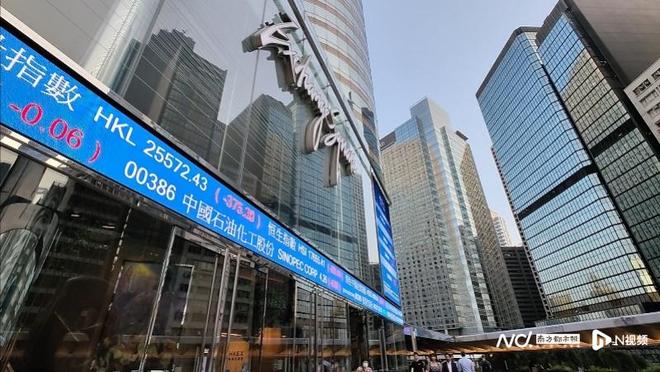
香港交易所宣布推出香港交易所科技100指数
Zheng Quan Ri Bao Wang· 2025-12-09 06:45
Core Viewpoint - The Hong Kong Stock Exchange (HKEX) has launched the HKEX Technology 100 Index, marking its first Hong Kong stock index aimed at expanding its index business and promoting the development of the Hong Kong capital market ecosystem [1] Group 1: Index Overview - The HKEX Technology 100 is a broad-based stock index tracking the performance of the 100 largest technology companies listed on the Hong Kong Stock Exchange [1] - The index covers six major innovation themes: artificial intelligence, biotechnology and pharmaceuticals, electric vehicles and smart driving, information technology, the internet, and robotics [1] - All constituent stocks of the index are eligible for the Stock Connect program, catering to the investment needs of international and mainland Chinese investors [1] Group 2: Strategic Partnerships - HKEX has signed an agreement with E Fund Management Co., Ltd. to launch an exchange-traded fund (ETF) in mainland China that tracks the HKEX Technology 100 [1] - The CEO of HKEX emphasized the importance of this index as a milestone in the development of the group's index and data business, highlighting Hong Kong's key role in promoting emerging industries [1] Group 3: Future Outlook - HKEX plans to continue expanding its index business and strengthen collaborations with industry partners to launch more index-related products [1] - The index features a rapid inclusion mechanism, allowing new companies meeting specific criteria to be added outside the regular review cycle after being eligible for Stock Connect trading [1]
港交所,最新发布!
中国基金报· 2025-12-09 04:15
Core Viewpoint - The Hong Kong Stock Exchange (HKEX) has launched the HKEX Technology 100 Index, marking a significant milestone in its index and data business development, aimed at enhancing the capital market ecosystem in the region [2][5]. Group 1: Index Characteristics - The HKEX Technology 100 Index is a broad-based stock index tracking the performance of the 100 largest technology companies listed on the Hong Kong Stock Exchange [6]. - The index covers a wide range of technology sectors, including artificial intelligence, biotechnology and pharmaceuticals, electric vehicles and smart driving, information technology, the internet, and robotics, providing diverse investment options [6]. - The index includes companies that meet the Hong Kong Stock Connect trading eligibility, ensuring its investability [6][7]. Group 2: Inclusion Mechanism - The index has a rapid inclusion mechanism allowing newly listed companies that meet specific criteria to be added outside the regular review cycle, ensuring it reflects market dynamics promptly [6][7]. Group 3: Collaboration with E Fund - HKEX has authorized E Fund Management to develop an exchange-traded fund (ETF) tracking the HKEX Technology 100 Index in mainland China, responding to strong demand from domestic investors for technology investment opportunities in the Hong Kong market [8][9]. - The collaboration aims to enhance the development of Hong Kong-related products in the mainland market and provide innovative investment tools to meet evolving investor needs [9].
花旗:下调香港交易所(00388)每股盈利预测 目标价降至505港元
智通财经网· 2025-12-09 03:42
智通财经APP获悉,花旗发布研报称,已更新了香港交易所(00388) 的模型,并将今年11月25日的交易 数据纳入考量后,略微下调了港交所2025至2027财年每股盈利预测1%,主要由于对港股日均成交额预 测下调1%至3%;花旗维持对港交所的"买入"评级,目标价从515港元下调至505港元。 ...
港交所,最新发布!
Zhong Guo Ji Jin Bao· 2025-12-09 03:38
Group 1 - The Hong Kong Stock Exchange (HKEX) has launched the HKEX Technology 100 Index, marking a significant milestone in the development of its index and data business [3][4] - The index tracks the performance of 100 of the largest technology companies listed on the Hong Kong Stock Exchange, providing investors with a comprehensive investment tool to capture opportunities in technology and emerging sectors [3][4] - The index covers a wide range of technology sectors, including artificial intelligence, biotechnology and pharmaceuticals, electric vehicles and smart driving, information technology, internet, and robotics, offering diverse investment options [4] Group 2 - HKEX has authorized E Fund Management Co., Ltd. to launch an exchange-traded fund (ETF) tracking the HKEX Technology 100 Index in mainland China, aiming to meet the strong demand from mainland investors for technology investment opportunities in the Hong Kong market [5] - The collaboration with E Fund is expected to enhance the development of Hong Kong-related products in the mainland market and provide innovative investment tools to meet the evolving needs of investors [5]
花旗:下调香港交易所每股盈利预测 目标价降至505港元
Zhi Tong Cai Jing· 2025-12-09 03:38
花旗发布研报称,已更新了香港交易所(00388)的模型,并将今年11月25日的交易数据纳入考量后,略 微下调了港交所2025至2027财年每股盈利预测1%,主要由于对港股日均成交额预测下调1%至3%;花旗 维持对港交所的"买入"评级,目标价从515港元下调至505港元。 ...
大行评级丨花旗:下调港交所目标价至505港元 微降2025至27财年每股盈利预测
Ge Long Hui· 2025-12-09 02:40
Group 1 - Citigroup has slightly lowered its earnings per share forecast for Hong Kong Exchanges and Clearing (HKEX) for the fiscal years 2025 to 2027 by 1% [1] - The adjustment is primarily due to a 1% downward revision in the average daily trading volume for Hong Kong stocks [1] - Citigroup maintains a "Buy" rating on HKEX, with the target price reduced from HKD 515 to HKD 505 [1]
重磅官宣!“港交所科技100”指数推出,“含科量”拉满!
Xin Lang Cai Jing· 2025-12-09 02:02
Core Viewpoint - Hong Kong Exchanges and Clearing Limited (HKEX) has launched the Hang Seng Tech 100 Index, marking its first Hong Kong stock index, aimed at expanding its index business and promoting the development of the regional capital market ecosystem [1][13]. Group 1: Index Overview - The Hang Seng Tech 100 Index is a broad-based stock index tracking the performance of the 100 largest technology companies listed on the Hong Kong Stock Exchange, covering six major innovation themes: artificial intelligence, biotechnology and pharmaceuticals, electric vehicles and smart driving, information technology, the internet, and robotics [3][15]. - All constituent stocks of the index are eligible for Stock Connect, catering to the investment needs of international and mainland Chinese investors [3][15]. Group 2: ETF Launch - HKEX has signed an agreement with E Fund Management Co., Ltd. to launch an exchange-traded fund (ETF) in mainland China that tracks the Hang Seng Tech 100 Index [4][16]. - The CEO of HKEX stated that the launch of the index is a significant milestone in the development of the group's index and data business, providing investors with an effective tool to capture investment opportunities in technology and emerging sectors [4][16]. Group 3: Index Characteristics - The index features four main characteristics: 1. Broad market capitalization coverage, including large and mid-sized technology companies with significant growth potential [6][18]. 2. A rapid inclusion mechanism allowing new qualifying companies to be added outside the regular review cycle [6][18]. 3. All constituent stocks must meet Stock Connect eligibility to ensure investability [6][18]. 4. Coverage of diverse technology sectors, providing a wide range of investment options [6][18]. Group 4: Selection Criteria - The selection criteria for constituent stocks include: 1. A minimum listing history of six months [7][19]. 2. Fundamental requirements such as R&D expenditure being at least 3% of revenue or revenue growth of at least 5% year-on-year [7][19]. 3. Liquidity requirements with an average daily trading volume exceeding HKD 20 million over the past six months [7][19]. Group 5: Common Questions - The index uses a free-float market capitalization weighting method, with a maximum weight limit of 12% for any single stock [9][22]. - Adjustments to the index constituents occur biannually in June and December, with data cut-off dates at the end of April and October [10][23]. - Investors cannot directly invest in the index, but it serves as a benchmark for financial products such as ETFs [12][24]. - The assessment of whether a stock meets the technology theme is based on its core business nature, revenue distribution, and industry classification [12][25].
重磅官宣!“港交所科技100”指数推出,“含科量”拉满!
证券时报· 2025-12-09 01:59
Core Viewpoint - The Hong Kong Stock Exchange (HKEX) has launched its first stock index, the HKEX Technology 100 Index, aimed at expanding its index business and enhancing the regional capital market ecosystem [1][3]. Group 1: Index Overview - The HKEX Technology 100 Index tracks the performance of 100 of the largest technology companies listed on the Hong Kong Stock Exchange, covering six major innovation themes: artificial intelligence, biotechnology and pharmaceuticals, electric vehicles and smart driving, information technology, internet, and robotics [3][8]. - The index includes only stocks that qualify for the Stock Connect program, catering to both international and mainland Chinese investors [3][8]. Group 2: ETF Launch - HKEX has signed an agreement with E Fund Management to launch an exchange-traded fund (ETF) in mainland China that tracks the HKEX Technology 100 Index [5][6]. - The CEO of HKEX emphasized the significance of this index as a milestone in the development of the group's index and data business, highlighting its role in providing investors with effective investment tools in emerging sectors [5][6]. Group 3: Index Characteristics - The index features broad market capitalization coverage, including large and mid-cap technology companies with significant growth potential, meeting diverse investor allocation needs [8]. - A rapid inclusion mechanism allows new qualifying companies to be added to the index outside the regular review cycle, ensuring timely reflection of market dynamics [8][9]. - The index components must meet Stock Connect eligibility, and any stock that no longer qualifies will be removed from the index [8]. Group 4: Selection Criteria - Stocks must have a minimum listing history of six months, with fundamental requirements including R&D expenditure of at least 3% of revenue or revenue growth of at least 5% year-on-year [9]. - The index employs a free-float market capitalization weighting method, with a maximum weight of 12% for any single stock [11]. - Adjustments to the index components occur biannually, in June and December, based on data from the last trading day of April and October [12].