Automotive

Search documents
Aptiv PLC (NYSE:APTV) Earnings Preview: A Look into the Future
Financial Modeling Prep· 2026-01-30 15:00
Core Viewpoint - Aptiv PLC is a global technology company focused on developing safer, greener, and more connected solutions for the automotive industry, with its fourth-quarter 2025 earnings report scheduled for February 2, 2026 [1] Financial Performance - Wall Street analysts estimate Aptiv's earnings per share (EPS) to be $1.82, with projected revenue of approximately $5.1 billion, reflecting a 3.5% increase from the previous year driven by increased vehicle production demand, particularly in North America and China [2] - The company has a strong track record of surpassing earnings estimates, with an average earnings surprise of 13.2% over the last four quarters [3] Business Segments - Aptiv's segments, including Electrical Distribution and Engineered Components, are benefiting from the launch of SUVs, electric vehicles (EVs), and high-voltage systems, while the Advanced Safety and User Experience unit is expected to see revenue growth but may face pressure on operating income [3] Market Valuation - Aptiv's price-to-earnings (P/E) ratio is approximately 58.10, indicating how the market values its earnings, while the price-to-sales ratio stands at 0.85, showing investor willingness to pay per dollar of sales [4] - The enterprise value to sales ratio is 1.17, reflecting the company's total valuation relative to its sales [4] Cash Flow and Leverage - The enterprise value to operating cash flow ratio is 9.71, providing insight into cash flow generation relative to valuation, with an earnings yield of 1.72% indicating a modest return on earnings [5] - The debt-to-equity ratio of 0.88 suggests a balanced approach to leveraging debt versus equity, while a current ratio of 1.79 indicates a strong ability to cover short-term liabilities with short-term assets [5]



Tech CFOs face a new challenge: Selling unprecedented capex as ‘disciplined’
Fortune· 2026-01-30 14:00
Core Insights - Both Meta and Microsoft emphasize the need for significant capital spending in the AI sector, which is seen as disciplined and demand-driven rather than reckless [1][8]. Meta - Meta's CFO highlighted a trade-off between increased infrastructure investment and profitability, expecting 2026 operating income to exceed 2025 levels despite potential pressure on operating margins [2]. - The company projects 2026 capital expenditures of approximately $115–$135 billion, a significant increase from $72 billion in 2025, positioning it among the largest capex spenders in the AI and hyperscaler sectors [3]. - Meta's confidence is primarily based on its advertising business, which generated $59.89 billion in revenue for Q4, surpassing estimates and contributing to over $200 billion in annual revenue [4]. Microsoft - Microsoft reported a capital expenditure of about $37.5 billion in Q2 FY26, an increase from $34.9 billion in the previous quarter, reflecting a focus on AI and data-center build-outs [5][6]. - The investment strategy is centered on meeting sustained demand and optimizing asset capacity, with a strong cloud demand indicated by Microsoft Cloud exceeding $50 billion in quarterly revenue and Azure growing approximately 39% year-over-year [6][7]. - Microsoft achieved $81.3 billion in revenue for the quarter, a 17% year-over-year increase, although there were concerns about Azure's growth rate compared to previous quarters [7]. Overall Industry Perspective - The combined messages from Meta and Microsoft suggest that while AI-driven capital expenditures are increasing, a disciplined investment approach focused on monetization is expected to support sustainable growth and profitability [8].




Gentex Reports Fourth Quarter And Year End 2025 Financial Results
Globenewswire· 2026-01-30 13:00
Core Insights - Gentex Corporation reported a consolidated net sales of $644.4 million for Q4 2025, a 19% increase from $541.6 million in Q4 2024, with VOXX contributing $103.4 million to this revenue [3][6] - The consolidated gross margin for Q4 2025 was 34.8%, up from 32.5% in Q4 2024, while the core Gentex gross margin was 35.5%, reflecting a 300 basis-point increase [4][6] - For the calendar year 2025, consolidated net sales reached $2.53 billion, a 10% increase from $2.31 billion in 2024, while core Gentex sales were $2.27 billion, a 2% decline compared to 2024 [12][16] Financial Performance - Consolidated income from operations for Q4 2025 was $120.1 million, compared to $89.8 million in Q4 2024, marking a significant increase [8] - The net income attributable to Gentex for Q4 2025 was $93.0 million, up from $87.7 million in Q4 2024, with earnings per diluted share increasing to $0.43 from $0.39 [11][6] - For the full year 2025, the consolidated net income attributable to Gentex was $384.8 million, down from $404.5 million in 2024, with earnings per diluted share at $1.74 compared to $1.76 in 2024 [16][17] Operational Highlights - Consolidated operating expenses in Q4 2025 were $104.4 million, up from $86.5 million in Q4 2024, primarily due to the VOXX acquisition [5] - Core Gentex operating expenses (excluding VOXX) were $79.8 million in Q4 2025, down from $86.5 million in Q4 2024, which included impairment charges [5][7] - The company repurchased 3.8 million shares in Q4 2025 at an average price of $23.43 per share, totaling $319.0 million for the year [21] Market and Product Insights - Gentex Automotive net sales for Q4 2025 were $527.6 million, slightly down from $531.3 million in Q4 2024, with a year-over-year decline in auto-dimming mirror shipments of 3% [18] - Other net sales, including products like dimmable aircraft windows and medical devices, increased to $13.3 million in Q4 2025 from $10.3 million in Q4 2024 [19] - VOXX's net sales contributed $267.2 million for the calendar year 2025, reflecting strong seasonal demand [20] Future Guidance - For 2026, the company expects consolidated revenue between $2.60 billion and $2.70 billion, with a gross margin target of 34% to 35% [24] - The company anticipates a slight decline in light vehicle production in its primary markets, with a forecasted total of 76.5 million units in 2026 [22][23] - The company aims to achieve approximately $40 million per year in positive cash flow from planned cost improvement initiatives [26]


X @Bloomberg
Bloomberg· 2026-01-30 10:18
Unveiling its 2025 annual results, privately-held Bosch said the world’s biggest automotive supplier won’t hit a 7% margin target until 2027 at the earliest https://t.co/V6hSNgB3dm ...
Exco Technologies Q1 Earnings Call Highlights
Yahoo Finance· 2026-01-30 08:08
Core Insights - Exco Technologies reported a higher year-over-year profit with modest revenue growth in its fiscal 2026 first quarter, driven by gains in the Automotive Solutions segment which offset weaker demand in die-cast tooling within the Casting and Extrusion segment [4][7]. Financial Performance - Cash provided by operating activities was CAD 10.2 million, slightly down from CAD 10.4 million in the prior-year quarter. Free cash flow increased to CAD 4.8 million from CAD 3.8 million, while cash used in investing activities declined to CAD 4.5 million from CAD 7.7 million [1]. - Consolidated net income was CAD 4.8 million, or CAD 0.13 per share, compared to CAD 4.2 million, or CAD 0.11 per share, in the prior-year quarter. Quarterly consolidated EBITDA was CAD 17.4 million, representing 12% of sales, versus CAD 16.7 million (also 12%) a year ago [2][7]. Segment Performance - The Automotive Solutions segment saw sales climb 10% to CAD 79.3 million, with pre-tax profit jumping 37% to CAD 6.5 million, driven by new product launches and improved operational efficiency [6][8]. - The Casting and Extrusion segment reported a 2% decline in sales to CAD 70.2 million, primarily due to softer die-cast tooling demand amid OEM delays and trade uncertainty, although extrusion sales remained resilient [5][12]. Strategic Focus - Management emphasized a diversification strategy and operational efficiency, with plans to moderate fiscal 2026 capital expenditures to CAD 28 million, down from CAD 36 million in fiscal 2025 [3][17]. - The company is focusing on pricing discipline to mitigate cost inflation and expects sales to benefit from recent and upcoming product launches [10]. Market Conditions - Global trade policy uncertainty, particularly regarding tariffs, remains a significant macro consideration. The company believes that its products comply with USMCA rules of origin, which should keep them exempt from tariffs in the long term [19]. - Demand for aluminum extrusion related to AI data centers is currently low but is expected to grow significantly, providing a future tailwind for the company [20].
Dolby Laboratories(DLB) - 2026 Q1 - Earnings Call Transcript
2026-01-29 23:02
Financial Data and Key Metrics Changes - Revenue for Q1 2026 was $347 million, exceeding the high end of guidance, driven by earlier-than-expected deal closures and a $7 million favorable true-up for Q4 shipments [14][17] - Non-GAAP earnings per share was $1.06, also above guidance, attributed to higher revenue and lower operating expenses [14][17] - Operating cash flow generated was approximately $55 million, with $70 million of common stock repurchased [15][16] Business Line Data and Key Metrics Changes - Licensing revenue was $320 million, while product and services revenue was $27 million [14] - Mobile revenue grew over 20% year-over-year, while broadcast revenue declined in the mid-teens year-over-year [16] Market Data and Key Metrics Changes - The automotive sector is a major focus, with partnerships increasing from 20 OEMs last year to over 35 this year [7][12] - Dolby Vision 2 received positive feedback at CES, with support from content providers like Peacock and TP Vision [9][54] Company Strategy and Development Direction - The company is focused on expanding its presence in automotive entertainment and enhancing the in-car experience with Dolby Atmos and Dolby Vision [5][6] - Dolby Vision 2 aims to meet evolving viewer expectations and unlock the potential of modern televisions [8][9] - The company is confident in growing Dolby Atmos, Dolby Vision, and Imaging Patents at 15%-20% per year over the next few years [13] Management's Comments on Operating Environment and Future Outlook - Management noted that while some deals came in earlier than expected, it does not indicate a broader change in the macro environment [21] - The company raised its full-year revenue guidance to $1.4 billion-$1.45 billion, reflecting strong Q1 performance and true-up adjustments [17][19] - Management remains optimistic about growth opportunities despite potential impacts from memory pricing and macroeconomic factors [60][61] Other Important Information - A dividend of $0.36 was declared, representing a 9% increase from the previous year [16] - The company ended the quarter with cash and investments of approximately $730 million [16] Q&A Session Summary Question: Impact of deal timing on revenue - Management indicated that earlier deal closures de-risk the outlook for the year but do not suggest a general change in the macro environment [21] Question: Details on the $7 million true-up - The true-up was primarily in gaming and broadcast sectors [23] Question: Growth in mobile revenue - Mobile growth is influenced by the timing of new deals and renewals, with expectations for slight growth for the full year [24] Question: Update on patent monetization strategy - The company aims for 10% of revenue from content service providers within three years, with Roku as a significant new licensee [32] Question: Guidance for Q1 performance - The guidance was positively influenced by the $7 million true-up and earlier-than-expected deals [35][44] Question: Feedback from CES - The event showcased strong interest in automotive experiences and Dolby Vision 2, with positive responses from partners and customers [50][52]

Dolby Laboratories(DLB) - 2026 Q1 - Earnings Call Transcript
2026-01-29 23:02
Financial Data and Key Metrics Changes - Revenue for Q1 2026 was $347 million, exceeding the high end of guidance, driven by earlier-than-expected deal closures and a $7 million favorable true-up for Q4 shipments [14][17] - Non-GAAP earnings per share was $1.06, also above guidance, attributed to higher revenue and lower operating expenses [14][17] - Operating cash flow generated was approximately $55 million, with $70 million of common stock repurchased [15][16] Business Line Data and Key Metrics Changes - Licensing revenue reached $320 million, while product and services revenue was $27 million [14] - Mobile revenue grew over 20% year-over-year, while broadcast revenue declined in the mid-teens year-over-year [16] Market Data and Key Metrics Changes - The automotive sector is a major focus, with partnerships increasing from 20 OEMs to over 35 OEMs year-over-year [7] - Dolby Vision 2 received positive feedback at CES, with support from content providers like Peacock and TP Vision [9][53] Company Strategy and Development Direction - The company is raising its full-year fiscal 2026 revenue guidance to $1.4 billion-$1.45 billion, reflecting strong Q1 performance and earlier deal closures [17] - Dolby aims to grow Dolby Atmos, Dolby Vision, and imaging patents at 15%-20% per year, which now comprise nearly half of licensing revenue [13][18] Management's Comments on Operating Environment and Future Outlook - Management expressed confidence in growth opportunities despite macroeconomic uncertainties, noting that the timing of deals has improved [21][58] - The company is optimistic about the adoption of Dolby Vision 2 and the expansion of its addressable market through new partnerships and technologies [26][32] Other Important Information - A dividend of $0.36 was declared, representing a 9% increase from the previous year [16] - The company ended the quarter with cash and investments of approximately $730 million [16] Q&A Session Summary Question: Impact of deal timing on the environment - Management noted that while some deals came in earlier than expected, it should not be generalized to indicate a broader change in the macro environment [21] Question: Details on the large true-up - The $7 million true-up was primarily in gaming and broadcast sectors [23] Question: Growth in mobile revenue - Mobile growth was attributed to a combination of new deals and renewals, with expectations for slight full-year growth [24] Question: Update on patent monetization strategy - The company aims for 10% of revenue from content service providers within three years, with Roku as a significant new licensee [32] Question: Guidance for the quarter - The guidance was influenced by a combination of favorable true-up and strong deal timing, with overall performance aligning closely with expectations [44][46] Question: Feedback from CES - Positive feedback was received regarding the automotive experience and Dolby Vision 2, with significant interest from partners and customers [50][51]
Dolby Laboratories(DLB) - 2026 Q1 - Earnings Call Transcript
2026-01-29 23:00
Financial Data and Key Metrics Changes - Revenue for Q1 2026 was $347 million, exceeding the high end of guidance, driven by earlier-than-expected deal closures and a $7 million favorable true-up for Q4 shipments [11][12] - Non-GAAP earnings per share was $1.06, also above guidance, attributed to higher revenue and lower operating expenses [11] - Licensing revenue reached $320 million, while product and services revenue was $27 million [11] - Operating cash flow generated was approximately $55 million, with $70 million of common stock repurchased [11][12] Business Line Data and Key Metrics Changes - Mobile revenue grew over 20% year-over-year, while broadcast revenue declined in the mid-teens year-over-year, primarily due to timing of deals [12] - The automotive sector is a major focus, with partnerships increasing from 20 OEMs last year to over 35 this year [6][10] - Dolby Vision 2 was well-received at CES, with support from partners like Peacock and TP Vision, enhancing revenue opportunities from TVs [7][8] Market Data and Key Metrics Changes - The mobile market is expected to see mid-single-digit growth for the full year, despite quarterly fluctuations [12] - The automotive market remains the highest growth area, with diversification geographically, including partnerships with major manufacturers like Mercedes and Audi [60][62] Company Strategy and Development Direction - The company is focused on expanding its addressable market through new growth initiatives, including Dolby OptiView and video distribution programs [10][29] - Dolby Vision 2 aims to enhance viewer experience across various content types, with plans to launch new TVs by the end of the fiscal year [7][10] - The company is optimistic about growth in Dolby Atmos, Dolby Vision, and imaging patents, projecting a growth rate of 15%-20% per year [10][15] Management's Comments on Operating Environment and Future Outlook - Management noted that the early closure of deals does not indicate a broader change in the macro environment but provides confidence in the outlook for the year [18] - The company remains cautious about potential impacts from memory pricing and geopolitical factors but has not seen significant adjustments in guidance [58][59] - The automotive sector continues to thrive, with no immediate impacts from U.S. policy changes observed [62] Other Important Information - A dividend of $0.36 was declared, representing a 9% increase from the previous year [12] - The company ended the quarter with cash and investments of approximately $730 million [12] Q&A Session Summary Question: Impact of deal timing on revenue - Management indicated that earlier deal closures do not suggest a macro trend but help de-risk the outlook for the year [18] Question: Details on the $7 million true-up - The true-up was primarily in gaming and broadcast sectors [19] Question: Growth in mobile revenue - Growth was attributed to new deals and renewals, with expectations for slight increases over the full year [21] Question: Potential market share gains from Sony's spin-off - Management expressed optimism about strong relationships with both TCL and Sony, focusing on increasing TV attach rates [22][23] Question: Cash flow generation comparison - Cash flow can fluctuate based on deal timing, but it typically tracks closely with non-GAAP net income [24] Question: Update on patent monetization strategy - The company aims for 10% of revenue from content service providers within three years, with progress in the video distribution program [29][30] Question: OEM responses to macro issues - Management noted that while there are adjustments, they are not material, and the mobile market is most affected [58][59] Question: Adoption of in-car offerings amid policy changes - No significant impact observed; the automotive sector remains a high-growth area [62]
Mark Zuckerberg Passes Jeff Bezos For No. 4 Richest As Meta Stock Soars On Earnings Beat
Forbes· 2026-01-29 20:45
ToplineMark Zuckerberg’s fortune added more than $22 billion Thursday, ranking him as the world’s fourth-richest person, surpassing Amazon’s Jeff Bezos as Meta’s stock rallied after once again exceeding Wall Street’s expectations for quarterly revenue. The company reported quarterly revenue that exceeded Wall Street’s expectations. Copyright 2024 The Associated Press. All rights reserved.Key FactsShares of Meta surged 10.2% to above $737 as of 3:20 p.m. EST, the largest intraday jump for the stock since ris ...

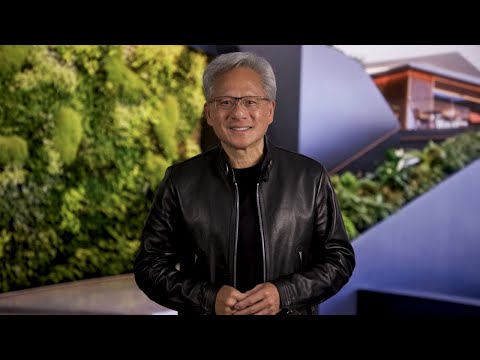
140 Years of Innovation: Jensen Huang Congratulates Mercedes-Benz
NVIDIA· 2026-01-29 18:00
Hello, everyone. I'm delighted to be here with my friend, Ola, to celebrate this Mercedes special anniversary event. For 140 years, Mercedes-Benz has set the standard in the automotive market, building cars defined by exquisite craftsmanship and safety engineering.Five years ago, NVIDIA began working with Mercedes-Benz to help carry that legacy into the AI era. But achieving this future requires the combined strength of both our companies. Excellence in deep learning and robotics, as well as in safety engin ...