
医疗人工智能

Search documents
医疗AI有了“评审员”!北京启动医疗人工智能应用评测服务
Xin Hua She· 2025-11-08 15:12
Core Viewpoint - The rapid advancement of artificial intelligence (AI) technology is driving the development of medical AI to assist doctors and take on some of their technical tasks, raising concerns about the safe and effective application of medical AI [1][3] Group 1: Establishment of Evaluation Center - The Beijing Municipal Health Commission has established a Medical AI Application Evaluation Center to create a regulatory framework and standards for medical AI evaluation [1][3] - The center aims to validate the clinical decision-making capabilities and effectiveness of medical AI, ensuring safety in its application [1][3] Group 2: Evaluation Criteria - Medical AI applications will be evaluated similarly to doctors, focusing on multiple dimensions such as safety, professionalism, and practicality [3] - A multi-dimensional assessment standard has been developed, consisting of six core evaluation dimensions: medical compliance and ethics, evidence-based medicine and knowledge, general auxiliary capabilities, specialty diagnosis and treatment quality control, adaptability of diagnosis and treatment processes, and accuracy of diagnostic decisions, encompassing over 70 specific evaluation tasks [3][4] Group 3: Data and Methodology - The evaluation center collaborates with key hospitals, research institutions, and authoritative expert teams to construct a high-quality evaluation dataset using clinical cases and authoritative medical guidelines [3][4] - An innovative AI-based scoring mechanism has been introduced to ensure objective and scientific evaluation results, focusing on reasoning logic and diagnostic thought processes rather than just final outcomes [4] Group 4: Future Plans - The evaluation center plans to expand its evaluation services to cover various medical fields, including internal medicine, surgery, and pediatrics, to support the healthy development of the medical AI industry and better meet public health needs [5]

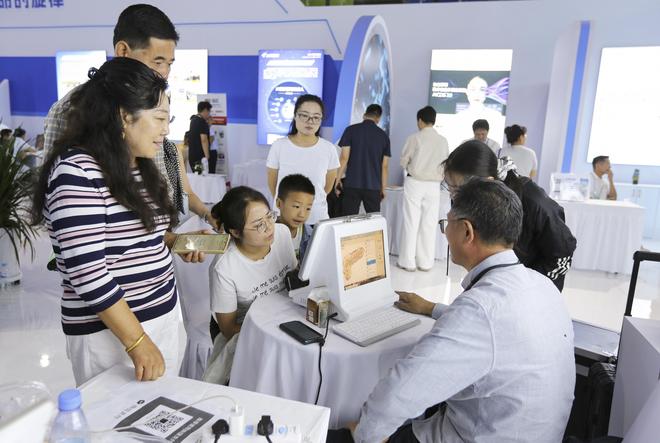
医疗AI有了“评审员” 北京启动医疗人工智能应用评测服务
Xin Hua She· 2025-11-08 13:43
Core Insights - The rapid advancement of artificial intelligence technology is propelling medical AI towards assisting doctors and taking on some of their technical tasks [1] - Ensuring the standardized, safe, and effective application of medical AI has become a significant concern for the public and the industry [1] Group 1 - The Beijing Municipal Health Commission has established a Medical Artificial Intelligence Application Evaluation Center [1] - The purpose of the evaluation center is to create a system and standard for the evaluation of medical AI applications [1] - The center will leverage high-level hospitals, expert teams, and quality medical data in Beijing to validate the clinical decision-making capabilities and effectiveness of medical AI [1]
北京启动医疗领域人工智能应用评测服务
Zhong Guo Xin Wen Wang· 2025-11-07 08:22
Core Insights - Beijing has launched an evaluation service for artificial intelligence applications in the medical field, aimed at ensuring safety, professionalism, applicability, and accuracy of AI diagnostics [1][2] Evaluation Framework - The evaluation center has developed a comprehensive assessment index system consisting of over 70 specific evaluation tasks, covering six core dimensions [1] - The evaluation focuses on safety, professionalism, applicability, and accuracy, including checks for privacy breaches, adherence to medical ethics, use of the latest medical textbooks and guidelines, and the rationality of AI-generated treatment suggestions [1] Data and Methodology - The evaluation center collaborates with key hospitals, research institutions, and expert teams to construct a high-quality evaluation dataset using clinical cases and authoritative medical resources [1] - The evaluation process includes three stages: user application, system evaluation, and expert review, with an innovative AI-based scoring mechanism to quantify the diagnostic reasoning and logic of AI applications [2] Focus Areas - The initial evaluation service will concentrate on the field of thoracic surgery, with plans to expand to other medical specialties such as internal medicine, surgery, and pediatrics in the future [2]
85后马鞍山小伙搞医疗人工智能,年入2.9亿
Xin Lang Cai Jing· 2025-10-11 01:56
Core Insights - The article discusses the rise of Senyi Medical, a Shanghai-based company specializing in AI healthcare solutions, which has achieved significant revenue growth and is preparing for an IPO in Hong Kong [1][11][22]. Company Overview - Senyi Medical, founded by Zhang Shaodian, focuses on integrating AI and big data technologies into healthcare applications, positioning itself as a leader in the Chinese hospital AI solutions market [1][4][22]. - The company has served over 750 hospitals, including more than 400 large hospitals, and has developed a comprehensive AI solution matrix ranging from data intelligence to intelligent assistance [10][21]. Market Position - According to a report by Zhaosheng Consulting, Senyi Medical is the largest provider of hospital AI solutions in China and ranks fourth globally among large hospitals, with the top three being American companies [22]. - The global AI healthcare solutions market is projected to grow from approximately 40 billion yuan in 2024 to 90.6 billion yuan by 2030, with China accounting for 41% of this market [24]. Financial Performance - Senyi Medical's revenue has shown a steady increase, with reported revenues of 1.44 billion yuan in 2022, 2.39 billion yuan in 2023, and 2.92 billion yuan in the first half of 2024 [22][23]. - The company is still operating at a loss, but the losses are decreasing, from 232.5 million yuan in 2022 to 49.4 million yuan in 2024 [23]. Technological Development - The company has developed a proprietary technology platform called "Synapse," which integrates AI algorithms, medical knowledge engineering, and heterogeneous data governance [21][25]. - Senyi Medical's AI solutions are categorized into four levels, with the L2 level (intelligent assistance) being the most widely applied and contributing significantly to revenue [12][22]. Future Outlook - The healthcare AI industry is expected to transition from auxiliary roles to more dominant positions, with AI becoming integral to decision-making processes in healthcare [30][32]. - The introduction of L3-level AI agents, capable of independently completing tasks, is anticipated to become a core infrastructure in hospital operations and clinical research by 2030 [29][30].
“宝医数智”大模型平台亮相全国首届医学人工智能大会
Nan Fang Du Shi Bao· 2025-09-30 03:03
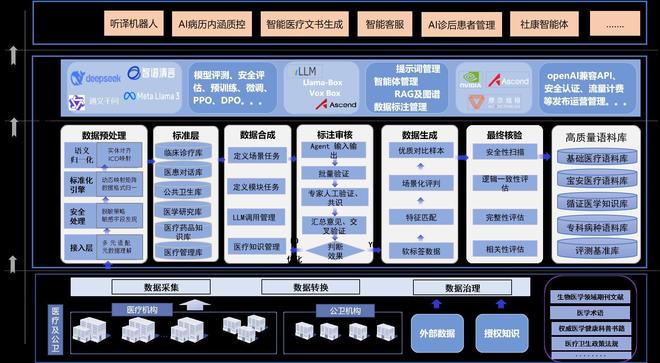
Core Insights - The first Medical Artificial Intelligence Conference (MAIC2025) was held in Jinan, Shandong, showcasing the "Bao Medical Intelligence" large model platform, which has garnered significant attention from the medical community nationwide [1] - The "Data Governance System Construction and Smart Cockpit Application Practice" case, led by Baoan District People's Hospital, was selected as one of the top 100 innovative and practical cases in medical AI, highlighting its status as a benchmark for regional medical intelligence development [1][3] Group 1: Platform Launch and Structure - The Bao Medical Intelligence platform is the first regional medical AI hub in China, initiated by the Baoan District government, focusing on developing AI applications for residents' healthcare [1] - The platform is built on a three-in-one architecture of "high-quality data set - large model platform - full-cycle evaluation," providing unified AI service support for all medical institutions in the district [1][5] - It integrates heterogeneous computing power and dynamic specialty corpus, achieving a full-cycle closed loop from data management to intelligent agent deployment [1] Group 2: Policy Support and Ecosystem Development - Baoan District has introduced the "Measures to Support AI-Driven High-Quality Development of the Big Health Industry," which includes a framework of "1+4+1+3" to provide comprehensive policy support for AI in healthcare [3] - The measures encourage enterprises to develop AI products around various "AI + medical" scenarios, fostering a positive cycle of data value, hospital benefits, enterprise gains, and industry aggregation [3] Group 3: Achievements and Impact - The implementation of the Bao Medical Intelligence platform has significantly improved the efficiency of public hospitals and community health institutions in Baoan District, enhancing medical service effectiveness [4] - The platform has processed over 1.2 billion clinical data entries, reducing patient waiting times by 40% and decreasing medical record error rates to 5%, benefiting over 11 million residents [5] - The recognition of the platform and its associated case as a national-level achievement marks a significant milestone for Baoan District in the integration of AI and healthcare [5]
北京率先打造医疗领域中试基地:让数据多跑腿,群众少生病
Bei Jing Shang Bao· 2025-09-14 12:24
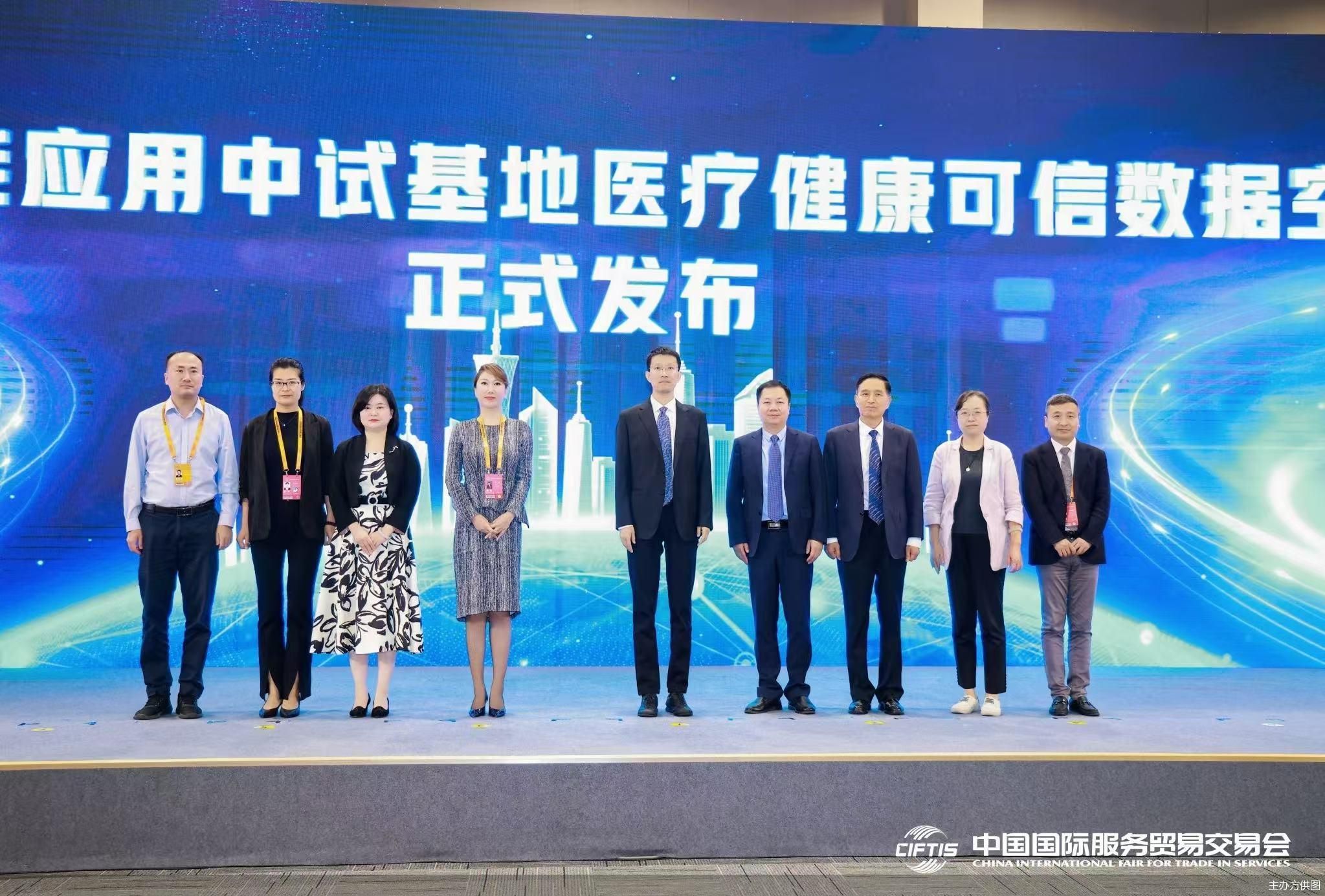
Core Insights - The establishment of the National Artificial Intelligence Application Pilot Base in the medical field is a significant step in promoting AI applications in healthcare, aiming to enhance service efficiency and patient outcomes [1][5][6] - The base serves as a comprehensive "incubation factory" for hospitals and enterprises, providing a full range of services from diagnosis to drug development [1][5] - The AI interactive experience area at the base has attracted significant public interest, showcasing products like the "Fundus Disease and Major Chronic Disease Early Warning System," which can quickly identify various health risks [2][3] Group 1: AI Application and Services - The pilot base has launched 31 AI medical interactive products, with a focus on early detection of diseases through advanced imaging technology [1][2] - The "Fundus Disease and Major Chronic Disease Early Warning System" can automatically generate analysis reports within three minutes, identifying over 30 eye diseases and 10 systemic risks [2] - The base aims to create a unified support platform for medical institutions and technology companies, facilitating the entire process from technology validation to clinical trials and product promotion [5][6] Group 2: Challenges and Solutions - Data challenges, including ownership ambiguity and compliance issues, are significant hurdles in the development of AI applications in healthcare [7] - The base is working on establishing a trusted data space to facilitate the secure and efficient use of medical data, addressing the need for a robust data infrastructure [7][8] - A medical big model and application evaluation system is being developed to provide standardized assessments of AI applications in real clinical settings, ensuring quality and compliance [8] Group 3: Future Outlook - The pilot base envisions a future where efficient collaboration among enterprises and hospitals eliminates barriers to data access and product commercialization [9] - By leveraging AI for proactive health monitoring, the base aims to reduce disease incidence and enhance public health outcomes [9] - The ultimate goal is to integrate AI deeply into healthcare, allowing for early risk identification and timely interventions, thereby improving overall health value for individuals [9]
2025服贸会|人工智能重构医疗健康全链条
Bei Jing Shang Bao· 2025-09-12 10:28
Core Insights - The seminar on "Artificial Intelligence + Healthcare" was successfully held during the 2025 China International Service Trade Fair, focusing on the latest trends in the industry and the achievements of the national AI application pilot base in healthcare [2] - The State Council's recent document emphasizes the promotion of high-level health assistants and the application of AI in various healthcare scenarios to significantly enhance the capabilities and efficiency of grassroots medical services [2] Group 1: AI Application in Healthcare - The pilot base aims to serve medical institutions, research institutes, and technology companies by creating a comprehensive service system that accelerates the incubation of AI results in healthcare [3] - The base will also support pharmaceutical companies and research institutions by establishing a full-process service system for drug development, enhancing the efficiency of drug research and development [3] - The Beijing Health Commission highlighted the potential advantages in high-value scenarios, quality data, and high-level organization to address major health issues and improve resource accessibility [3] Group 2: Data and Evaluation Systems - A specialized evaluation system has been developed, integrating multimodal data and authoritative medical knowledge, to enhance the clinical relevance and differentiation of AI models [4] - The evaluation dataset is derived from benchmark textbooks, latest disease guidelines, and real clinical data, ensuring comprehensive assessment capabilities [4] Group 3: Future Prospects and Innovations - The seminar announced significant achievements of the pilot base, including the establishment of a secure and efficient medical data circulation scheme, supporting high-quality medical data flow and value release [5] - AI application promotion services have been developed, unifying management and operations of over a hundred AI applications across 30 critical clinical scenarios [5] - The acceleration of these innovations is expected to reshape healthcare service models and contribute to the "Healthy China" initiative [6]
一中院“创新工作室”助45家困境企业重生
Bei Jing Ri Bao Ke Hu Duan· 2025-09-10 22:45
Core Viewpoint - The establishment of the "Employee Innovation Studio" by the Beijing First Intermediate People's Court aims to provide judicial protection for enterprises throughout their lifecycle, focusing on legal risk prevention and supporting struggling companies like Ande Medical Intelligence to recover from financial crises [1][2][3]. Group 1: Judicial Support for Struggling Enterprises - The "Employee Innovation Studio" has successfully rescued 45 small and medium-sized enterprises over the past two years, providing them with legal guidance and support [1][6]. - Ande Medical Intelligence, a company specializing in AI applications in the medical field, faced a financial crisis due to failed financing and was able to initiate bankruptcy reorganization with the court's assistance [3][4]. - The court implemented a rapid reorganization process for Ande Medical Intelligence, which resulted in the approval of a reorganization plan within three months and attracted an investment of 150 million yuan [4][5]. Group 2: Legal Risk Prevention and Guidance - The studio has developed a comprehensive 300,000-word "Enterprise Full Process Legal Risk Prevention Guide," which addresses various legal risks that enterprises may encounter from establishment to termination [7]. - The guide has been well-received, with over 30,000 downloads of the electronic version, indicating strong interest from enterprises seeking to mitigate legal risks [7]. - The studio has also conducted research on typical and emerging issues related to labor relations and competition restrictions, contributing to judicial recommendations aimed at improving enterprise governance and addressing industry challenges [7].

A轮融资10亿后,「联影智能」发力多模态医疗智能体|项目报道
3 6 Ke· 2025-08-12 02:51
Core Viewpoint - 联影智能, a subsidiary of 联影集团, is planning for an independent IPO, following a successful A-round financing of 1 billion yuan in June, with investments from various firms [1] Group 1: Company Developments - 联影智能 has launched 12 product platforms and over 100 AI applications, obtaining 13 Class III medical device certifications and 15 AI applications approved by the FDA, along with 31 applications certified by CE [1] - The company has developed the "元智" medical large model, integrating multiple modalities such as text, image, and voice, to create adaptive medical intelligence systems tailored for various healthcare scenarios [2] - The latest product, "放射智能体," can automatically identify 73 types of chest abnormalities from a single chest CT scan, showcasing a significant advancement over traditional single-disease AI products [2] Group 2: Market Opportunities - The company aims to achieve digital intelligence across hospitals, focusing on upgrading internal business systems and information systems in surgical and ward settings, which may lead to new growth opportunities despite varying market sizes [3] - AI technology has enabled hospitals to conduct specialized examinations that were previously unfeasible, enhancing their competitive edge [3] - For instance, a top-tier hospital in Wuhan increased its DR full spine scan examinations to over 5,000 after implementing AI, significantly improving efficiency and diagnostic support [3] Group 3: AI in Healthcare - AI technology can help grassroots medical institutions overcome limitations in professional capabilities, allowing them to perform important examinations without additional equipment or new fee schedules [4] - A secondary hospital in Zhejiang, after introducing AI-assisted diagnostic software, was able to independently conduct over 1,000 coronary CTA examinations in a year, demonstrating the practical value of AI in enhancing service levels [5] - The company is also focusing on AI-enabled research, collaborating with universities and hospitals on projects related to brain research in children, indicating a commitment to exploring new frontiers in neuroscience [5]
产研医等业内人士共话医疗AI普惠路径
Zheng Quan Shi Bao Wang· 2025-07-28 16:45
Core Insights - The forum focused on the inclusive path of medical AI and the construction of a global health ecosystem, featuring key figures from various sectors including medicine, research, and investment [1] - The collaboration between Sun Yat-sen University Cancer Center and United Imaging since 2018 has led to significant advancements in AI applications for cancer treatment, including online adaptive radiotherapy and AI for metastatic tumors [1][2] Group 1: AI Applications in Oncology - The AI applications for detecting brain and bone metastases have been implemented in over 400 hospitals nationwide, enhancing the efficiency and precision of cancer care for more patients [2] - A practical test demonstrated that AI-assisted doctors completed image diagnosis and report writing 25% faster than those without AI support, showcasing the technology's effectiveness in complex cases [2][3] Group 2: Impact on Grassroots Healthcare - The collaboration between United Imaging and Shache County People's Hospital has led to the development of an AI for rapid detection of suspected tuberculosis, improving screening efficiency and accessibility for local residents [3] - The integration of AI technology into healthcare systems is part of a broader initiative supported by national policies aimed at enhancing medical capabilities in rural areas [3]
