热泵

Search documents
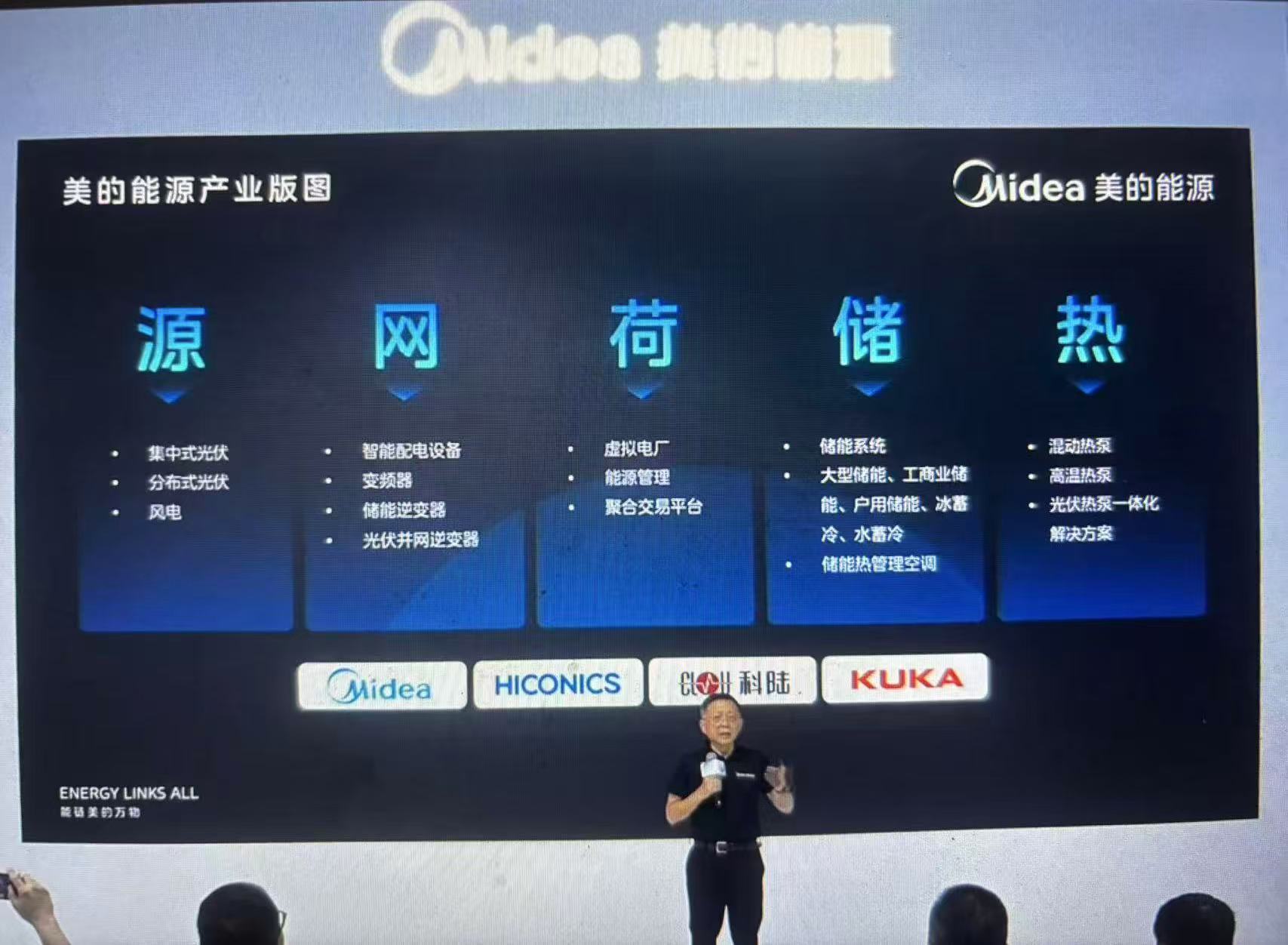
美的集团发布储能、热泵和AI战略
Di Yi Cai Jing· 2025-06-11 06:15
Core Viewpoint - Midea Group is positioning its energy business as a pillar industry through a three-dimensional strategy of "Energy Storage + Heat Pumps + AI" [2] Group 1: Midea Energy Strategy - Midea Energy is focusing on next-generation energy storage technology, advanced heat pump solutions, and artificial intelligence to drive business development [2] - The industrial landscape of Midea Energy includes various segments such as power generation, grid, charging, energy storage, and heat pumps [2] Group 2: Market Position and Performance - KUKA's heavy-duty robots have captured over 25% market share in the renewable energy sector [4] - Midea Group's ToB business, including Midea Energy, is a significant part of its overall strategy, with expectations for ToC and ToB revenues to each account for half of total income [5] - In Q1 2025, Midea Group reported revenue of 127.8 billion yuan and a net profit of 12.422 billion yuan, with ToB business revenue exceeding 100 billion yuan, representing over 25% of total revenue [5] Group 3: Industry Context - The scale of China's energy storage industry has reached a trillion yuan level, with increasing competition expected by 2025 [5] - The penetration rate of grid-type energy storage in the global energy storage system integration market is projected to reach 20% over the next five years [5]


工业供热“绿”变记:高温热泵将成为零碳园区的供热标配
Xin Jing Bao· 2025-05-09 07:11
Core Viewpoint - The industrial sector faces increasing carbon emission pressure under the "dual carbon" goals, with the heating systems in industrial parks being a critical area for achieving low-carbon transformation, particularly in zero-carbon parks [1] Group 1: High-Temperature Heat Pump Technology - High-temperature heat pump technology is emerging as a core solution for industrial zero-carbon heating due to its energy-saving, environmental, and electrification advantages [1][2] - The current challenge for industrial parks is achieving decarbonization in the heating segment, which is heavily reliant on fossil fuels, while other areas like lighting and air conditioning have already been electrified [2][3] - High-temperature heat pumps can meet temperature demands ranging from 40°C to 200°C, addressing the widespread low-temperature heating needs in various industries such as food processing and textile dyeing [2][3] Group 2: Energy Efficiency and Economic Viability - High-temperature heat pumps operate with a coefficient of performance (COP) of 3 to 6, meaning they can produce 3 to 6 times the heat energy for every unit of electricity consumed, significantly outperforming traditional coal-fired boilers [3][4] - Although the initial investment for high-temperature heat pumps is 5 to 10 times that of traditional boilers, their operational costs are only one-third to one-fifth of conventional heating methods, leading to long-term economic benefits [4][6] - Successful case studies, such as those in the brewing and petrochemical industries, demonstrate substantial cost savings and carbon emission reductions, with one example showing annual savings of over 40 million yuan and a reduction of 79,530 tons of CO2 emissions [6] Group 3: Market Development and Future Outlook - The current application of high-temperature heat pumps in industrial parks is less than 1%, primarily due to high initial investments and integration challenges [6] - The market is expected to mature with the increase of demonstration projects, and sales of high-temperature heat pumps are projected to reach 17,000 units by 2030 and 156,000 units by 2060 [7] - The transition from coal-based heating to green electricity heating marks a significant shift in industrial heating practices, supported by ongoing technological advancements and policy backing [7]
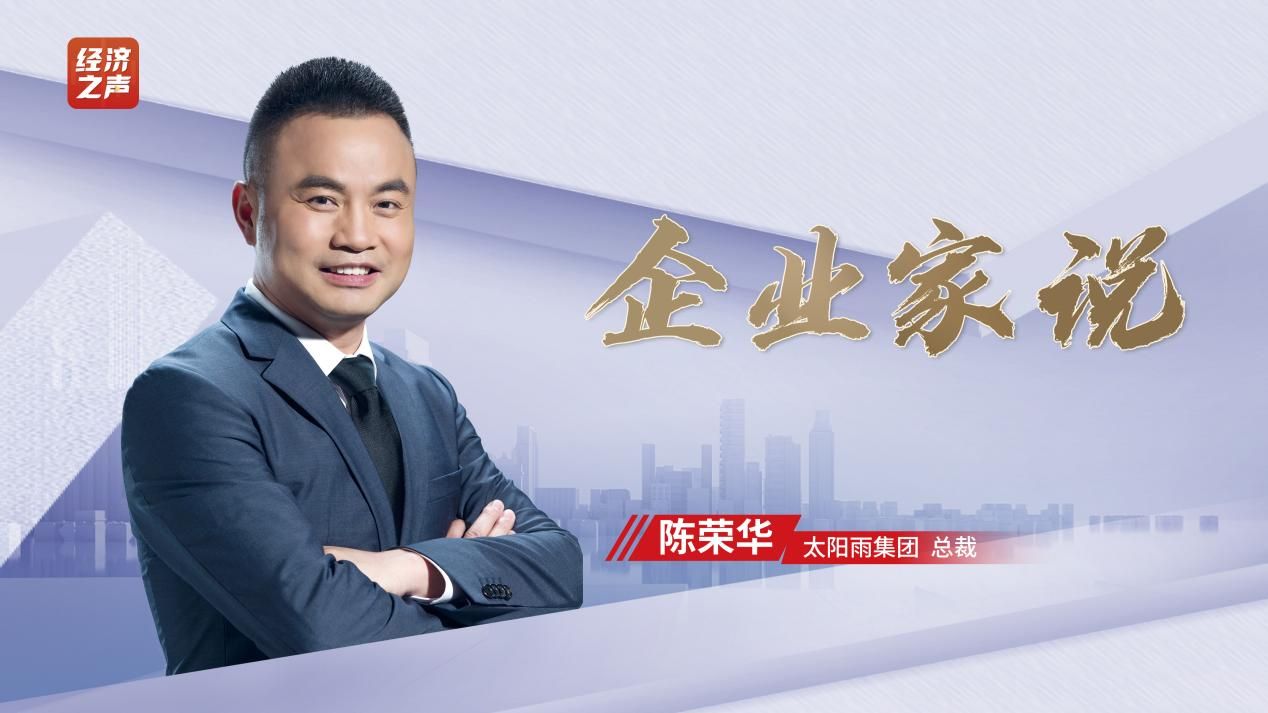
热泵高质量发展的关键路口,太阳雨迎来加速度
Zhong Guo Chan Ye Jing Ji Xin Xi Wang· 2025-05-06 03:21
Core Viewpoint - The Chinese heat pump industry is at a critical juncture for high-quality development, driven by innovation and supported by government policies, aiming to establish heat pumps as a key product in China's manufacturing landscape alongside electric vehicles, photovoltaic products, and lithium batteries [1][3]. Industry Overview - The heat pump industry is recognized as a significant player in the global renewable energy technology and product competition, with Chinese manufacturers, particularly Sunrain, leading in performance under extreme conditions [3][6]. - Sunrain's air source heat pumps have successfully operated at the Everest Base Camp for three consecutive years, demonstrating their reliability and performance in harsh environments [6][12]. Market Potential - The Chinese heat pump market has substantial growth potential, with a current penetration rate of only 5%, compared to nearly universal adoption in Europe [14]. - The National Development and Reform Commission and other government bodies have set ambitious goals for the heat pump industry, including a 20% improvement in energy efficiency by 2030 and the promotion of air source heat pumps in cold and hot regions [14][16]. Competitive Landscape - The industry is currently experiencing intense competition, which has led to concerns about "involution" or excessive competition that hampers investment in research and development [16]. - Sunrain advocates for healthy competition that enhances technology and service levels, emphasizing the need for continuous investment in R&D and market education [16][19]. Strategic Initiatives - Sunrain is investing over 1 billion yuan in manufacturing bases and has launched initiatives to educate consumers about air source heat pumps, including a promotional campaign linked to Everest [19][23]. - The company aims to provide zero-carbon home solutions through an integrated approach involving solar energy, energy storage, and heat pumps, aligning with broader sustainability goals [23][25].