
金融资产交易

Search documents
浙金中心“暂停营业”现场直击
第一财经· 2025-12-09 15:46
2025.12. 09 本文字数:1458,阅读时长大约3分钟 作者 | 第一财经 陈君君 近日,浙江金融资产交易中心(下称"浙金中心")相关产品密集出现兑付问题后,投资人的线下维 权陆续展开。12月9日,第一财经记者连续走访杭州与浙金中心办公相关的地点,发现东站服务点已 连续多日关门;而总部所在大楼虽仍在运作,但警力与安保明显加强。同时,距离总部约4公里的章 家坝运河公园被设为临时维权登记点,连续多日均有大批投资者前往登记。 随后,记者来到位于杭州市上城区富春路290号钱江国际时代广场2幢的浙金中心办公点。与以往不 同,大楼周边的警力与安保明显增强:入口处有多名警察与保安驻守,多辆警车停靠在周边,外来人 员需说明来意并报备方可进入。 记者进入大楼后来到浙金中心所在的27至29楼。28楼区域的走廊灯光明亮,能看到零星人员进进出 出。多名民警及在场人员向记者确认,这些楼层的办公室目前仍在运作,并无全面停摆迹象。 多位东站服务台工作人员告诉记者,该服务点此前一直保持运营状态,"上周还开着",但从最近三 四天开始未再营业。一名值班站长表示:"可能是上周六关的,我们没有收到任何通知,是旅客问了 之后才发现已经关了。" ...

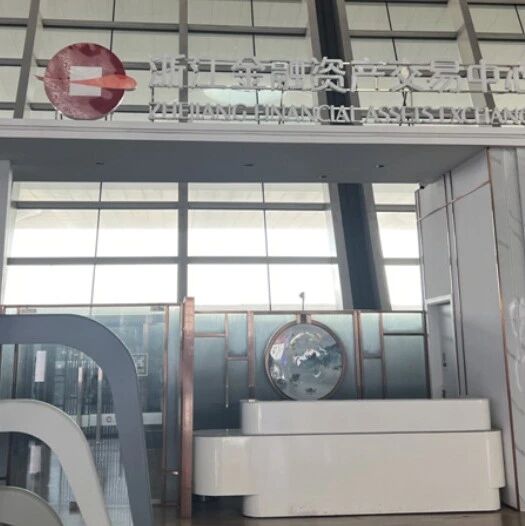
“金字招牌”理财产品爆雷!有投资者称,到期无法兑付,也无法提现
Sou Hu Cai Jing· 2025-12-09 15:02
Core Viewpoint - The financial products associated with Xiangyuan Group are facing default issues, leading to investor concerns about the ability to redeem both matured and unmatured products [2][3]. Group 1: Default and Investor Concerns - Since late November, rumors of default on financial products purchased at Zhejiang Jin Center have emerged, confirmed by Xiangyuan Group's executive stating that around 2 to 3 products have not been redeemed due to lack of funds [2]. - Investors have expressed worries about the redemption of unmatured products, with reports of inability to transfer these products on the app [2][3]. - Following the news, shares of related companies, including Jiaojian Co., Xiangyuan Cultural Tourism, and Ocean Park, experienced significant declines, with Jiaojian Co. hitting a daily limit down [3]. Group 2: Company and Platform Relationships - Zhejiang Jin Center, a platform for financial asset trading, has historical ties to state-owned enterprises, which initially attracted investors [5]. - The platform has undergone ownership changes, with Hangzhou Minzhi Investment Management Co. becoming the controlling shareholder, which has close connections to Xiangyuan Group [5][6]. - Xiangyuan Group is a leading player in the cultural tourism industry, with its subsidiaries listed on stock exchanges, and has been involved in issuing financial products with guarantees from its own entities [7][8]. Group 3: Financial Product Structure - The financial products in question are primarily backed by debts owed by real estate companies associated with Xiangyuan Group, with funds reportedly used to supplement liquidity [8][12]. - Legal documents indicate that Xiangyuan Group has obligations to repurchase any unpaid principal related to these products, with the group's actual controller providing guarantees [12]. - The underlying assets of these products are debts from Xiangyuan's real estate ventures, which have been under financial strain due to a downturn in the real estate market [14]. Group 4: Regulatory Response - The Zhejiang Provincial Financial Regulatory Bureau is currently conducting a comprehensive review of the financing products involved, promising to keep investors informed about their rights [3][15].


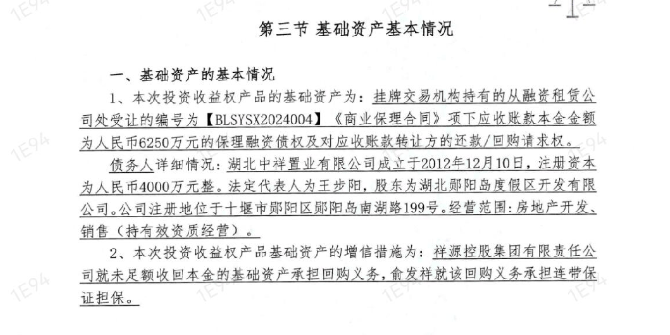
浙金中心“暂停营业”现场直击|东站服务点关门多日,总部大楼安保明显加强,连日维权持续
Di Yi Cai Jing· 2025-12-09 14:54
相关产品密集出现兑付问题。 近日,浙江金融资产交易中心(下称"浙金中心")相关产品密集出现兑付问题后,投资人的线下维权陆续展开。12月9日,第一财经记者连续走访杭州与浙 金中心办公相关的地点,发现东站服务点已连续多日关门;而总部所在大楼虽仍在运作,但警力与安保明显加强。同时,距离总部约4公里的章家坝运河公 园被设为临时维权登记点,连续多日均有大批投资者前往登记。 东站服务点:前台空无一人,关门多日无人接待 12月9日,第一财经记者首先来到位于杭州东站候车大厅内的"浙江金融资产交易中心"服务点。现场玻璃门紧闭,前台无人值守。门上张贴的营业时间仍显 示"周一至周日 8:00-20:00",但显然服务点并未按照公告正常开放。 多位东站服务台工作人员告诉记者,该服务点此前一直保持运营状态,"上周还开着",但从最近三四天开始未再营业。一名值班站长表示:"可能是上周六 关的,我们没有收到任何通知,是旅客问了之后才发现已经关了。" 工作人员同时强调,并不清楚该网点是否为临时调整或永久停业,也没有来自运营方的正式说明。 总部所在地:安保明显加强,前台公司标识已拆除但仍在运作 随后,记者来到位于杭州市上城区富春路290号钱江国 ...
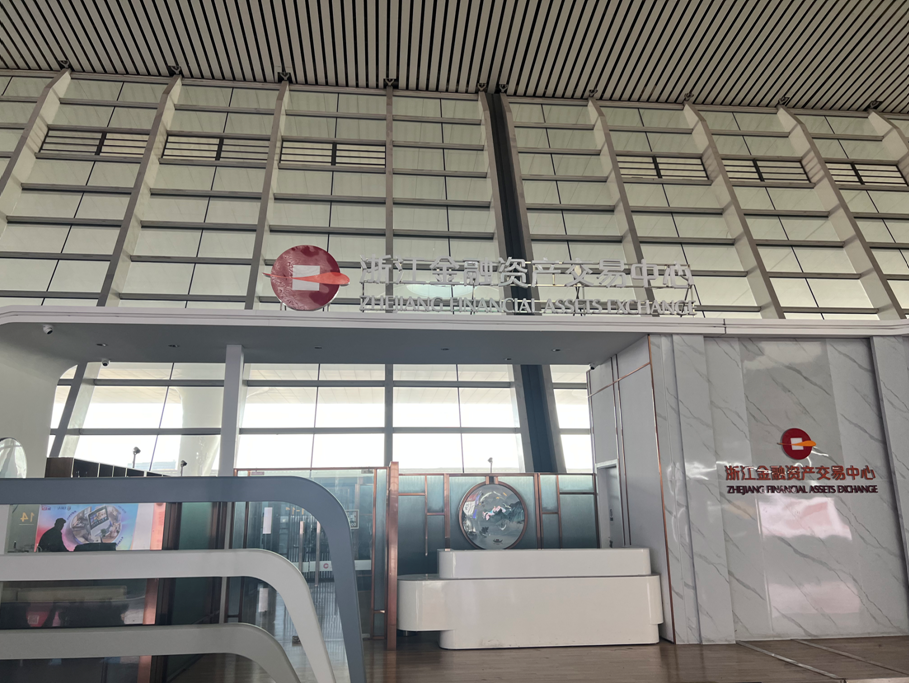
“祥源系”3家上市公司股价狂泻,俞发祥“家底”再缩水
Di Yi Cai Jing· 2025-12-09 14:49
Core Viewpoint - The "Xiangyuan System" is facing significant financial distress, leading to a sharp decline in the stock prices of its three listed companies, resulting in a market value loss of approximately 3.2 billion yuan over two trading days [1][2][3]. Group 1: Stock Performance and Market Impact - On December 9, Xiangyuan Cultural Tourism (600576.SH) fell by 7.51%, Haichang Ocean Park (02255.HK) dropped by 12%, and Jiaojian Co. (603815.SH) hit the daily limit down [1]. - The cumulative market value loss for the three companies over two trading days reached 3.2 billion yuan [2]. - Jiaojian Co. reported a market value of 60.53 billion yuan as of December 9, down 1.42 billion yuan from December 7 [2]. - Xiangyuan Cultural Tourism's stock price fell by 20.67% from December 4 to 9, with a market value of 62.32 billion yuan, down 759 million yuan from December 7 [3][4]. - Haichang Ocean Park's stock price dropped 36.23% from December 4 to 9, with a market value decrease of approximately 1.057 billion yuan [4]. Group 2: Financial Products and Default Issues - The rumors of the "Xiangyuan System" default began in late November, with reports of overdue products surfacing around December 4 [2]. - The financial products in question were traded on the Zhejiang Financial Asset Trading Center, with a total trading scale exceeding 10 billion yuan [4]. - On December 8, a meeting occurred between representatives from the Zhejiang provincial government and investors, where it was revealed that the company had a funding chain break and real estate assets valued over 30 billion yuan that are difficult to liquidate [4]. Group 3: Asset Holdings and Financial Health - As of the end of Q3, Xiangyuan Holdings held 274 million shares of Jiaojian Co., with a market value of approximately 442 million yuan for the unpledged shares [6]. - Yu Faxiang directly held 15.73 million shares of Jiaojian Co., valued at around 154 million yuan [6]. - Xiangyuan Holdings has total assets of 599.78 billion yuan and equity of 215.90 billion yuan as of the end of 2024, with a net profit of 57.5 million yuan [8].
祥源系关联公司曾间接参股浙金中心
第一财经· 2025-12-09 14:24
Core Viewpoint - The article discusses the ongoing liquidity crisis of Zhejiang Jin Center, which has become a platform primarily for products from the Xiangyuan Group, raising questions about its operational integrity and the implications for investors [3]. Group 1: Company Background - Zhejiang Jin Center, formerly known as Zhejiang Financial Asset Trading Center Co., Ltd., has rebranded to Zhejiang Jin Asset Operation Co., Ltd. [3]. - The majority of products traded on Zhejiang Jin Center in recent years are from the Xiangyuan Group, with a reported transaction scale exceeding 12 billion yuan as of December 8 [3][4]. Group 2: Shareholder Dynamics - Key shareholders such as Ningbo Urban Construction Investment Group, Guoxin Hongsheng Private Fund Management, and Minsheng Real Estate have exited before the end of 2023, leaving Hangzhou Minzhi Investment Management Co., Ltd. as the largest shareholder with a 58.57% stake [3][4]. - Hangzhou Minzhi has had ties with the Xiangyuan Group since 2018, indicating a long-standing relationship between the two entities [4]. Group 3: Xiangyuan Group's Influence - The Xiangyuan Group has maintained control over various companies associated with Hangzhou Minzhi, with personnel consistently linked to the Xiangyuan Group holding key positions [6][7]. - The ownership structure of Anhui Xiangyu, a company closely tied to the Xiangyuan Group, has seen multiple changes, but it has remained under the influence of Xiangyuan personnel since its inception [6][7][8].

理财投资,别被“国资”股东蒙了眼
经济观察报· 2025-12-09 14:14
Core Viewpoint - The article emphasizes the misconception among investors that a "state-owned background" guarantees the safety of financial products, highlighting the need for thorough due diligence beyond superficial assurances [3][4]. Group 1: Background and Context - Zhejiang Financial Asset Trading Center, now known as Zhejiang Zhejin Asset Operation Co., Ltd. (Zhejin Center), was established in 2013 with a focus on "government guidance and market-oriented operations," primarily backed by state-owned capital [2][4]. - Many investors were attracted to Zhejin Center not due to high returns, which ranged from 4.6% to 5%, but because of its perceived state-owned background [2]. Group 2: Misconceptions and Risks - The case of Zhejin Center illustrates a common investor error: equating state-owned shareholder backgrounds with product safety [3]. - State-owned shareholders have limited liability and do not guarantee the safety of every product issued by the company, as they operate as independent legal entities [4]. - The perception of a "state-owned background" may be misleading, as such shareholders might not be involved in actual operations or may have limited influence due to complex ownership structures [4]. Group 3: Recent Developments and Consequences - As of December 8, 2025, the largest shareholder of Zhejin Center was a private investment management company, significantly diluting the state-owned shareholding [5]. - The core business qualifications of Zhejin Center were lost by October 2024, yet this information was not communicated to investors, leading to a lack of awareness until risks materialized [5]. - Similar issues were observed with Dongguan Mengda Group, where promotional claims about state-owned backgrounds misled investors until the truth about illegal fundraising emerged [5]. Group 4: Investor Guidance - Investors should not rely solely on promotional claims regarding "backgrounds" and must assess their own risk tolerance and the quality of underlying assets [6]. - It is crucial to verify the ownership structure and historical changes through official channels, such as the National Enterprise Credit Information Publicity System [6]. - High returns should trigger caution regarding potential underlying risks, and investors should ensure that the financial institution's operational qualifications are valid and up-to-date [6][7]. Group 5: Regulatory Recommendations - Regulatory bodies should enhance monitoring of product promotions to prevent misleading claims about "state-owned" or "government credit" endorsements [7]. - There should be strict obligations for timely disclosure of significant changes in ownership and qualifications to protect investors' right to information [7].

独家|祥源系关联公司曾间接参股浙金中心
Di Yi Cai Jing· 2025-12-09 14:09
Core Viewpoint - The Zhejiang Financial Asset Trading Center, now known as Zhejiang Zhejin Asset Operation Co., Ltd., has become predominantly a platform for Xiangyuan Group's income rights products, raising questions about its role amid the ongoing repayment crisis involving Xiangyuan products [1] Group 1: Company Background - Zhejiang Financial Asset Trading Center has transitioned to Zhejiang Zhejin Asset Operation Co., Ltd. and has seen a significant shift in its product offerings, with over 12 billion yuan in Xiangyuan products traded as of December 8 [1] - The center's previous shareholders, including Ningbo Urban Construction Investment Group, Guoxin Hongsheng Private Fund Management, and Minsheng Real Estate, have all exited by the end of 2023, leaving Hangzhou Minzhi Investment Management Co., Ltd. as the largest shareholder with a 58.57% stake [1] Group 2: Shareholder Dynamics - Hangzhou Minzhi has had ties with Xiangyuan Group since 2018, with Xiangyuan previously being a shareholder [2] - In January 2019, Hangzhou Minzhi committed 1.2 billion yuan to become the largest shareholder of the Zhejiang Financial Asset Trading Center [3] - Anhui Xiangyu, a company with strong connections to Xiangyuan, has been under the control of Xiangyuan personnel since its establishment in 2017 [3] Group 3: Corporate Changes - Anhui Xiangyu underwent several ownership changes, with its shareholders consistently linked to Xiangyuan Group, including the transition to Hefei Tuzhan Trading Co., Ltd. in 2021 [4] - The ownership of Anhui Xiangyu shifted to Hefei Jiuwangtong Enterprise Management Consulting Co., Ltd. in 2024, with personnel changes still reflecting Xiangyuan's influence [4] - In September 2023, Anhui Xiangyu exited the shareholder list, replaced by Shanghai Lanyu Enterprise Management Co., Ltd., while a new collaboration between Xiangyuan and Hangzhou Minzhi began in June 2023 [5]
又一百亿大雷炸响!浙商大佬的“朋友圈” ,也不灵了
商业洞察· 2025-12-09 09:23
Core Viewpoint - The article discusses the financial crisis surrounding Zhejiang Financial Asset Trading Center (Zhejiang Jin Center) and its connection to Xiangyuan Holdings and its founder Yu Faxiang, highlighting the risks of aggressive capital expansion and the impact on investors and listed companies [3][5][10]. Group 1: Financial Crisis Overview - Zhejiang Jin Center has faced a significant crisis, with over 14 billion yuan in financial products unable to be redeemed, leading to widespread investor anxiety [7][10]. - The total amount involved in the crisis has exceeded 14 billion yuan, with many investors reporting amounts ranging from hundreds of thousands to millions [7][10]. - The crisis has led to a rapid decline in stock prices for Xiangyuan Holdings' listed companies, with declines of 14.23%, 16.32%, and 27.53% in just three trading days [14]. Group 2: Company Background and Expansion - Xiangyuan Holdings, founded by Yu Faxiang, has total assets of approximately 60 billion yuan and liabilities exceeding 40 billion yuan, primarily from bank loans and investor products [3][10]. - The company has aggressively expanded into the tourism sector, acquiring over 20 well-known scenic spots and controlling three listed companies [24][25]. - Yu Faxiang's entrepreneurial journey is characterized by a "grassroots reversal" narrative, having transitioned from a poor background to becoming a prominent businessman in Zhejiang [20][24]. Group 3: Financial Management and Risks - The financial products offered by Zhejiang Jin Center were primarily backed by Xiangyuan Holdings, which has been facing a liquidity crisis [10][16]. - The financing costs for Xiangyuan Holdings are reported to be around 8% to 9%, while the investment returns for investors are only 4% to 5%, indicating a significant gap [16]. - The company has been under scrutiny for misusing funds, with reports indicating that 410 million yuan was misappropriated for other projects [28][30]. Group 4: Market and Regulatory Environment - The Zhejiang Jin Center, previously backed by state-owned enterprises, has shifted to a private ownership model, which has raised concerns among investors about the stability of their investments [31]. - The regulatory environment has tightened, with the Zhejiang Securities Regulatory Bureau issuing penalties that revealed the financial strain on Xiangyuan Holdings [28][30]. - The article emphasizes the risks associated with high-yield financial products, particularly those linked to private enterprises and real estate projects, which are often less stable [33].

“金字招牌”信仰崩塌,浙金中心是怎样陷入“祥源系”违约风暴的?
YOUNG财经 漾财经· 2025-12-09 08:15
Core Viewpoint - The trust in "Zhejiang Financial Asset Trading Center" (now "Zhejiang Zhejin Asset Operation Co., Ltd.") has collapsed following the default of "Xiangyuan System" products, which were previously considered stable investments by many investors [2][5][11]. Group 1: Company Background - Zhejiang Financial Asset Trading Center was established in December 2013 and initially had a strong state-owned background among its shareholders, which included companies like Ningbo Urban Construction Investment Group [11]. - By the end of 2023, the state-owned shareholders had exited, with private company Hangzhou Minzhi Investment Management Co., Ltd. becoming the largest shareholder, holding 58.57% of the shares [11][12]. - The company changed its name to "Zhejiang Zhejin Asset Operation Co., Ltd." in January 2025, along with changes in its legal representative and management [12][13]. Group 2: Investor Sentiment and Experience - Investors had a long-standing belief in the stability of the platform, often equating investments with government bonds due to the perceived state-owned backing, leading to significant investments without awareness of the underlying risks [5][6][7]. - Many investors reported investing substantial amounts, with one individual investing 4.2 million yuan across 17 products, all linked to the "Xiangyuan System," with expected annual returns between 4.4% and 5.1% [6][7]. - The lack of communication regarding the withdrawal of state support and changes in the company's structure contributed to a false sense of security among investors [6][11]. Group 3: Product and Market Dynamics - Over 90% of the products on the platform were from the "Xiangyuan System," with the total trading scale of these products exceeding 12 billion yuan as of early December 2023 [13]. - The products were initially marketed as stable investments linked to government projects, which attracted investors who were risk-averse and preferred platforms with government affiliations [5][10]. - The cancellation of the financial asset trading business qualification by the Zhejiang Provincial Financial Management Bureau in October 2024 raised concerns among some investors, but many remained unaware of this change [12][13].
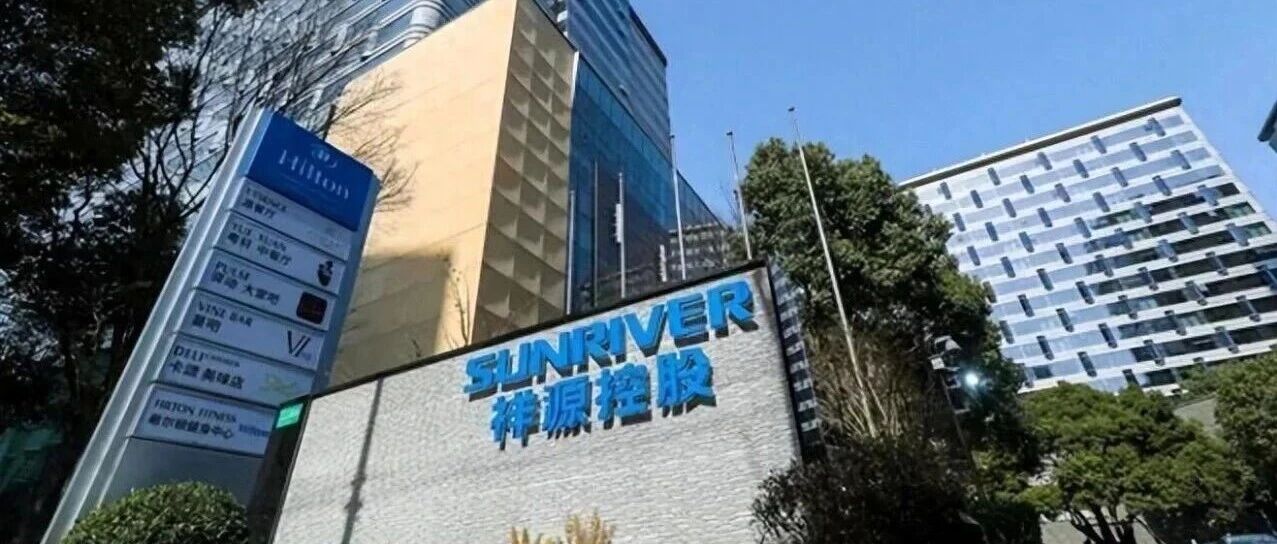
浙金中心祥源系产品陷兑付危机,多个产品底层为地产公司债权
Nan Fang Du Shi Bao· 2025-12-09 07:49
Core Viewpoint - The financial products associated with Xiangyuan Group are facing default issues, leading to investor concerns about the ability to redeem both matured and unmatured products [1][2][7]. Group 1: Default Issues - Since late November, rumors have emerged regarding the inability to redeem financial products purchased by investors at Zhejiang Jin Center, which were confirmed on December 5 when Xiangyuan Group's executive stated that about 2 to 3 products had not been redeemed, indicating a lack of funds [1]. - On December 7, several companies controlled by Xiangyuan Group announced that financial products related to real estate cooperation projects were experiencing overdue payments, with the actual controller assuming joint guarantee responsibilities [2]. - As of December 9, shares of Xiangyuan Group's listed companies experienced significant declines, with Jiangjian Co. hitting a trading halt and Xiangyuan Culture and Ocean Park also facing substantial drops [2][13]. Group 2: Company and Product Background - Zhejiang Jin Center, established in 2013, is a comprehensive financial asset trading platform supported by local government and has undergone ownership changes, with a significant stake now held by Hangzhou Minzhi Investment Management Co., which has close ties to Xiangyuan Group [3][4]. - Xiangyuan Group, founded in 1992, has evolved into a leading enterprise in the cultural tourism investment and operation sector, controlling several listed companies [4]. - The financial products in question are primarily backed by debts from real estate companies associated with Xiangyuan Group, with funds reportedly used to supplement liquidity for the trading platform [7][8]. Group 3: Investor Concerns - Investors holding unmatured products are worried about their ability to redeem these investments, as some products have become untransferable on the trading app [1][7]. - The underlying assets of these financial products are primarily debts owed by real estate companies controlled by Xiangyuan Group, raising concerns about the financial health of these companies [8][12]. - Recent reports indicate that several underlying debtors have been in a state of continuous overdue payments, further exacerbating investor anxiety [10][11].