粮食贸易

Search documents
增强粮食产业链供应链韧性
Jing Ji Ri Bao· 2025-05-01 22:03
Core Viewpoint - China's imposition of tariffs on U.S. agricultural products such as soybeans, corn, and wheat is a necessary countermeasure to the U.S. "tariff stick," aimed at safeguarding national interests and enhancing food security [1] Group 1: Agricultural Import Dynamics - The import volume of grains from the U.S. has significantly decreased, which will not undermine domestic food supply stability but will accelerate the diversification of grain imports [1] - Historically, China relied on the U.S. for over 90% of its soybean and corn imports, highlighting the risks of a single supply channel [1] - Brazil has become the largest source of soybean and corn imports for China, while Australia has taken the lead in wheat imports, reducing dependency on the U.S. [1] Group 2: Domestic Production and Self-Sufficiency - China has implemented the strictest arable land protection policies and strategies to enhance comprehensive grain production capacity, achieving a grain production milestone of 1.4 trillion jin [2] - The country has maintained soybean production above 20 million tons for three consecutive years, improving self-sufficiency and bargaining power in international grain trade [2] - Efforts are being made to stabilize rice and wheat production while developing alternative crops to ensure food security and economic stability [2] Group 3: Grain Reserve and Management - China has established a combined grain reserve system of government and social reserves, ensuring sufficient stock and optimized structure [2] - The government is enhancing grain reserve management and monitoring to ensure the safety and stability of grain supplies [2] - A comprehensive monitoring and early warning system for grain and important agricultural products is being developed to maintain price stability [2] Group 4: Reducing Food Waste and Import Dependency - Initiatives to reduce food loss across various stages of the supply chain are being implemented, effectively increasing food availability and reducing import reliance [3] - The promotion of deep processing of grains and the use of by-products aims to enhance domestic oil self-sufficiency and decrease oilseed imports [3] - Strategies to reduce soybean meal usage through alternative feed ingredients are being adopted to further lower soybean import levels [3] Group 5: Strategic Policy Implementation - A combination of policies is being utilized to enhance food security, focusing on import diversification, capacity enhancement, reserve management, and waste reduction [3]
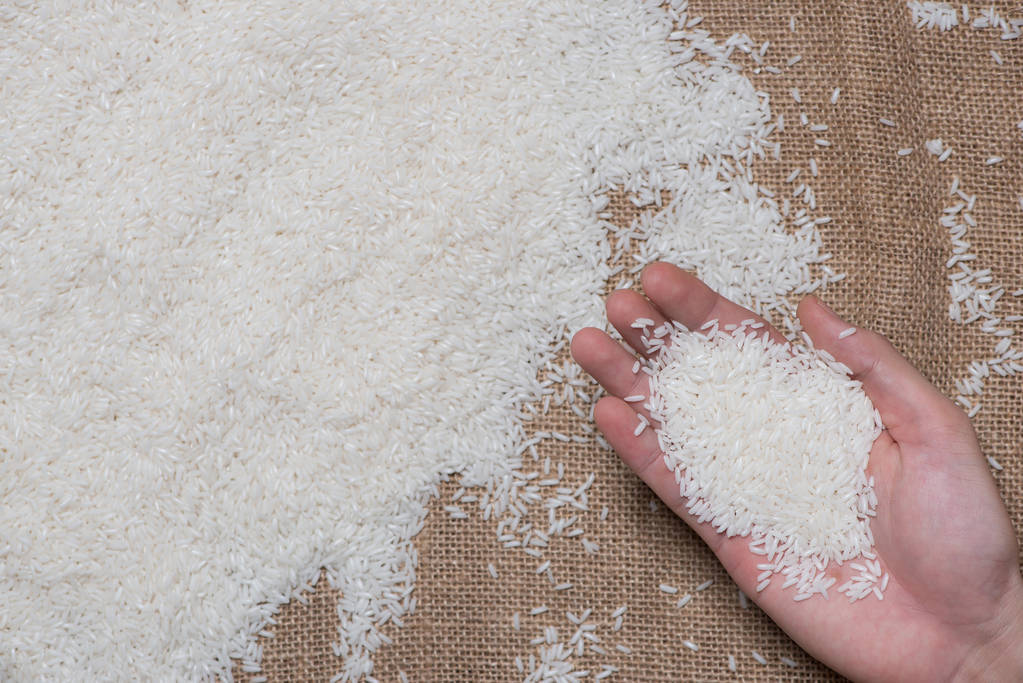
日本大米进口商将采购量提高20倍
Sou Hu Cai Jing· 2025-04-27 19:23
Group 1 - Japan's private sector rice imports are expected to increase approximately 20 times in FY2025 due to soaring staple food prices, leading restaurants and businesses to turn to foreign alternatives [1] - Major trading companies and wholesalers are projected to import over 40,000 tons of rice this fiscal year, equivalent to the annual consumption of about 700,000 people, with most imports coming from the United States [1] - The Japanese government is considering expanding its tariff-free minimum access quota for rice imports as part of trade negotiations with the United States, with a current framework allowing for the import of 770,000 tons of rice annually [3] Group 2 - Kanematsu plans to import 20,000 tons of rice from the U.S. by December, doubling its initial plan, and has signed contracts for over 10,000 tons with restaurants and retailers [3] - Shinmei is set to import 20,000 tons of rice by July, with half of the demand coming from commercial clients and the other half from households and retail stores [3] - Kitoku Shinryo aims to import nearly 10,000 tons of rice in FY2025, which is about double its current import volume [3] Group 3 - The private sector's rice imports have quadrupled in the first 11 months of FY2024, with 1,497 tons imported compared to the entire FY2023 volume [4] - The average retail price for 5 kilograms of rice has risen to 4,217 yen, more than double the price from the previous year, despite government efforts to release rice from reserves [4] - Even with tightened domestic supply, demand for cheaper imported rice may persist, as indicated by wholesalers [4] Group 4 - The restaurant industry is increasingly accepting imported rice, with Colowide using California's Calrose rice in its chain locations and Yoshinoya Holdings and Matsuyah Foods switching to a mix of domestic and imported rice [5]