Online Retail

Search documents
The Prime Day Secrets Amazon Doesn't Advertise
ZACKS· 2025-07-10 00:01
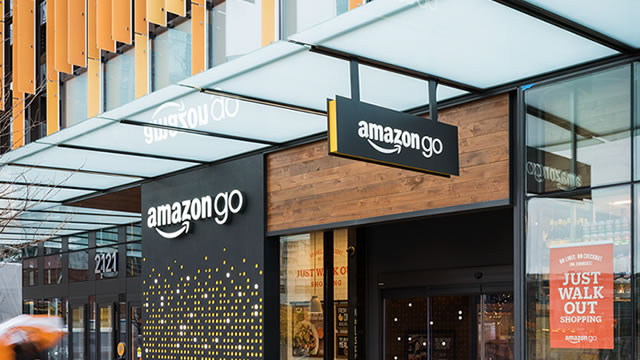
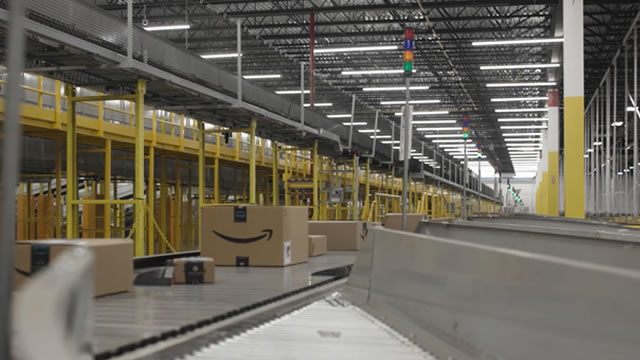
Core Insights - Amazon Prime Day is primarily designed to clear warehouse inventory rather than to provide the lowest prices for consumers [4][6] - The event has evolved into a significant retail holiday, providing Amazon with a reliable summer revenue boost [6] - Some advertised discounts during Prime Day may not represent genuine savings due to price manipulation tactics [7][8] Group 1: Purpose and Strategy of Prime Day - Prime Day was initiated as a solution to Amazon's inventory management issues, functioning as a large-scale clearance event [4][5] - The event has grown into a major retail occasion, allowing Amazon to control revenue during the summer months [6] - The urgency created by countdown timers and limited stock encourages impulsive buying behavior among consumers [14][15] Group 2: Pricing Tactics - Many Prime Day deals may not be the lowest prices of the year, as Amazon often raises prices prior to the event to create the illusion of discounts [7][8] - Price anchoring is a common tactic used by Amazon to manipulate consumer perception of savings [8][9] - Genuine deals do exist, particularly on Amazon's own devices, which are discounted to encourage further engagement with the Amazon ecosystem [10][12] Group 3: Consumer Behavior and Recommendations - Smart shoppers can navigate Prime Day effectively by avoiding purchases they wouldn't make at full price and planning ahead [16][17] - Following deal-hunting accounts and tracking price changes can help consumers identify true savings opportunities [17] - Comparing prices with other retailers during the same sales period can maximize savings [17]


Prime Day Loses Its Spark as Sales Nosedive 41%
PYMNTS.com· 2025-07-09 23:57
Core Insights - Amazon's sales dropped 41% on the first day of its four-day Prime Day event compared to the first day of last year's two-day event [1] - Momentum Commerce's CEO suggested that the decline in sales was due to consumers adding items to their carts but delaying purchases for potentially better deals [2] - Amazon's Vice President expressed satisfaction with shopper engagement and noted that the extended duration of Prime Day was in response to consumer demand for more time to explore deals [4] Sales Performance - The first day of this year's Prime Day saw a significant sales drop, but there is potential for overall sales to surpass last year's event due to the longer duration [2] - Last year's shorter Prime Day encouraged quicker purchases to avoid missing discounts, contrasting with this year's consumer behavior [3] - Adobe reported that Prime Day's kickoff surpassed Thanksgiving 2024's eCommerce spend of $6.1 billion, with 50.2% of sales made via mobile devices [5] Market Context - Prime Day, alongside Walmart's Walmart+ Week, is viewed as a test for consumer spending amid economic uncertainty and declining consumer confidence [6] - Retailers are closely monitoring consumer behavior changes due to global tariffs and economic conditions [6]
Several Amazon sellers skip offering Prime Day discounts as Trump tariffs slam costs: report
New York Post· 2025-07-08 21:37
Core Insights - Amazon sellers are offering fewer discounts during the Prime Day sales event due to tight margins caused by high costs from tariffs [1][4] - Approximately 60% of products sold on Amazon are from sellers who are pulling back on discounts [1] - The sales event is expected to generate $23.8 billion in online sales for Amazon and other US retailers [6] Seller Challenges - Upstream Brands, which sells aluminum trays, is unable to offer discounts this year for the first time due to a 50% tariff on aluminum, impacting their budget for Prime Day [3] - Unilever's Blueair has reduced the number of products on sale this year because of tariffs, indicating a cautious approach to the economic environment [4] Consumer Behavior - A survey indicated that 25% of US shoppers plan to skip Prime Day due to tariffs, while over half will closely monitor prices [11][16] - The extended sales period may lead to cart abandonment as it reduces the sense of urgency typically associated with Prime Day [10] Market Dynamics - Prime Day is seen as an early indicator of consumer appetite, especially in categories like apparel and electronics, where price drops are expected to be significant [13] - Retail sales have started to decline following a surge in purchases before tariffs were implemented, indicating a shift in consumer spending behavior [14] Sales Projections - Online sales from July 8 to July 11 are expected to increase by 28.4% compared to the same period last year, with Amazon alone projected to see nearly $13 billion in sales, a 59% increase from last year [18]
5 ETFs to Profit From Amazon's Longest-Ever Prime Day Event
ZACKS· 2025-07-08 15:01
Core Insights - Amazon has launched its longest-ever Prime Day event, expanding from 48 to 96 hours, running from July 8 to 11, with expectations of significant online spending [1][2] - U.S. online sales during this event are projected to reach a record $23.8 billion, marking a 28.4% year-over-year increase [2] - The event's spending is anticipated to be equivalent to the combined online spending of two Black Fridays [2] E-commerce Trends - Amazon is offering millions of discounts across various product categories, with daily deal drops to encourage frequent consumer engagement [4] - Mobile shopping is expected to account for $12.5 billion, or 52.5% of total sales, highlighting the importance of mobile channels for impulse purchases [5] - Discounts across categories are expected to match last year's levels, with apparel at 24%, electronics at 22%, and other categories following [6] Technological Innovations - The use of generative AI-powered shopping assistants and chatbots is expected to increase, with traffic from AI sources projected to surge by 3,200% compared to last year [7] - The Buy Now, Pay Later (BNPL) option is forecasted to rise to 8% of overall online sales during the event, up from 7.6% in 2024 [8] Investment Opportunities - Investors can consider ETFs with significant allocations to Amazon, including ProShares Online Retail ETF (24.5% allocation), Fidelity MSCI Consumer Discretionary Index ETF (24.2%), and others [3][9][10][11][12][13] - ProShares Online Retail ETF has an asset base of $78.3 million, while Fidelity MSCI Consumer Discretionary Index ETF has $1.8 billion [9][10] - Vanguard Consumer Discretionary ETF holds a 22.8% allocation to Amazon and has an asset base of $6.1 billion [11]

花旗:消费者盘点_Shein 和 Temu 应用数据显示,在美国 “最低豁免” 影响消退后,对欧洲的关注增加
花旗· 2025-07-07 15:44
Investment Rating - The report does not explicitly state an investment rating for the industry or specific companies mentioned Core Insights - Shein and Temu are shifting their marketing focus towards Europe due to declining performance in the US market, particularly after the end of de minimis exemptions [1] - App downloads for Shein and Temu in the US have sharply declined, while the rate of decline in Europe has slowed, indicating a potential strategic pivot [3][5] - Weekly active users for Shein and Temu in the US began to decline in April, suggesting a negative trend prior to the regulatory changes [6] Summary by Sections Market Performance - Shein and Temu's app downloads in the US via paid traffic have closely tracked those in five key European markets until recently, with a notable decline in the US [3] - The decline in app downloads for Shein and Temu in the US was approximately 62% in May compared to previous months, while the decline in Europe was less severe [5] Competitive Landscape - Increased competition from online discounters has been noted, with Sainsbury's reporting accelerated sales for Argos, indicating a shift in consumer behavior [1] - H&M and Zara have not experienced a significant increase in app usage or web traffic following the changes affecting Shein and Temu, suggesting that the competitive dynamics may not favor them in the current environment [9]
FTI Consulting Report: An Endgame for the Epic E-Commerce Era Is Within Sight
Globenewswire· 2025-07-07 11:30
Core Insights - FTI Consulting projects U.S. e-commerce sales to reach $1.27 trillion in 2025, marking an 8.5% increase from the previous year [1] - The online retail market share is expected to rise to 23.5% in 2025, up from 22.7% in 2024 and 21.6% in 2023, but growth is anticipated to decelerate and plateau near 30% by 2030 [2] Retail Sales Analysis - Total retail sales from 2020 to 2024 increased by $2.4 trillion above pre-COVID expectations, with 40% of this growth attributed to inflation [3] - Online retail sales during the same period were $932 billion above pre-COVID expectations, influenced by altered shopping patterns due to the COVID-19 pandemic [3] Consumer Spending Trends - Inflation-adjusted sales growth has been marginal or negative since 2023, with consumers facing challenges such as tariff concerns, a cautious job market, and geopolitical uncertainty [4] - The report indicates that consumer spending appetite is subdued for the second half of the year, despite ongoing spending increases [4] Evolution of Retail Strategies - Brands are adapting by embracing retail partnerships, moving away from solely direct-to-consumer models, as evidenced by consumer excitement around events like Amazon's Prime Day [4] - The next wave of successful retailers will be those who invest wisely and build capabilities that connect various consumer touchpoints [5]


热搜第一!南京VS苏州,“苏超”诞生2项纪录
新浪财经· 2025-07-06 00:14
Core Viewpoint - The "Su Super" league has set a new attendance record, indicating a significant rise in popularity and engagement in local football, which is also driving economic activity in the region [1][4]. Attendance Records - The match between Nanjing and Suzhou on July 5 attracted 60,396 spectators, breaking the previous record set just a week earlier for the "Su Super" league [1]. - This attendance figure is approaching the all-time high for the Chinese Super League, which was 65,769 spectators in a match held in October 2012 [4]. Economic Impact - The popularity of the "Su Super" league has led to a surge in tourism, with Jiangsu province's travel orders on Meituan rising by 50% week-on-week, making it the top destination in the country [6]. - Restaurant dining orders in Jiangsu during the league matches saw a year-on-year increase of over 49%, showcasing the league's influence on local food consumption [6]. - A specific event, the "10,000-person crayfish feast" in Huai'an, reported a total attendance of approximately 48,000 over three days, with 103 tons of crayfish consumed, marking a 15% increase compared to the previous year [10]. Sponsorship and Brand Engagement - The excitement surrounding the "Su Super" league has attracted numerous brands as sponsors, with Alibaba's brands quickly securing naming rights for various teams [12][13]. - The official sponsorship price for the entire season has surged to 3 million yuan, indicating high demand for sponsorship opportunities within the league [18].

Walmart, Peloton, Chewy Set To Steal Amazon's Prime Day — Again
Benzinga· 2025-07-03 18:22
Core Insights - Amazon's extended Prime Day is expected to drive significant growth, but competitors like Walmart, Peloton, and Chewy are also poised to benefit from the increased retail traffic [2][3][4] Group 1: Amazon's Prime Day Impact - Amazon's four-day Prime Day event (July 8–11) is projected to generate approximately 10% daily growth across its various sales channels [2] - The extended duration of Prime Day allows competitors to capitalize on the high-traffic environment created by Amazon's event [3] Group 2: Competitor Strategies - Walmart and Target are implementing their own promotional events, such as "Black Friday in July" and "Circle Week," to position themselves as alternatives to Prime Day [2] - Peloton plans to offer deep discounts during this period to attract budget-conscious consumers [2] - Chewy is expected to launch pet promotions in response to Amazon's "Pet Day" to maintain its market position [2] Group 3: Market Dynamics - Amazon's inventory readiness, achieved through strategic forward-buying and regional logistics, has allowed for the extension of Prime Day, but this also provides competitors with an opportunity to benefit from increased retail traffic without the operational burden [3][4] - Investors are encouraged to consider companies that are leveraging the Prime Day momentum rather than solely focusing on Amazon [4]


MELI vs. PDD: Which E-Commerce Stock Has More Upside Potential?
ZACKS· 2025-07-02 16:56
Core Insights - MercadoLibre (MELI) and PDD Holdings (PDD) are leading e-commerce platforms in Latin America and China, respectively, with strong logistics and user experience foundations [1][2] Summary of MercadoLibre (MELI) - MELI is capturing market share from physical retail, which still holds nearly 85% of consumer spending in Latin America, with its market share below 5% [3] - The company reported a 25% year-over-year increase in unique active buyers in Q1 2025, driven by improved brand preference in Brazil, Mexico, Argentina, and Chile [3] - MELI's total GMV reached $13.3 billion, with 492 million items sold, reflecting a 30% forex-neutral GMV growth in Brazil and 23% in Mexico, while Argentina saw a remarkable 126% growth [4] - The logistics network is scaling efficiently, with fulfillment penetration exceeding 60% in Brazil, leading to a decline in cost per order [5] - MELI is focusing on underpenetrated categories like supermarkets, with an emphasis on its 1P model to ensure supply consistency and improve unit economics [6] Summary of PDD Holdings (PDD) - PDD is prioritizing long-term growth through a $15 billion support program for small and mid-sized merchants, aimed at easing competitive pressures in China's retail market [7] - The company reported a 10% year-over-year revenue increase to RMB95.7 billion ($13.3 billion) in Q1 2025, with marketing and transaction services growing by 15% and 6%, respectively [8] - PDD's operating profit decreased to RMB18.3 billion from RMB28.6 billion a year ago, resulting in an operating margin drop from 33% to 19% due to heavy investments in promotions and ecosystem support [8] - The company is modernizing rural supply chains through agriculture e-commerce initiatives, enhancing value for merchants and consumers [9] Stock Performance and Valuation - In the last three months, MELI shares increased by 29.7%, while PDD shares decreased by 8.5% [11] - MELI's share price increase is attributed to its success in capturing offline retail market share, while PDD's decline is linked to rising competition and margin pressures [12] - Valuation metrics indicate that MELI shares are trading at a forward Price/Sales ratio of 4.09X, while PDD is at 2.31X, suggesting both are currently overvalued [16] Earnings Estimates - The Zacks Consensus Estimate for MELI's Q2 2025 earnings is $12.01 per share, revised upward by 15.25%, indicating a 14.6% year-over-year increase [19] - Conversely, PDD's Q2 2025 earnings estimate is $2.04 per share, revised downward by 28.42%, indicating a 36.25% year-over-year decrease [20] - MELI has beaten earnings estimates in three of the last four quarters, while PDD has beaten in two, with PDD showing a negative average surprise of 6.21% [21] Conclusion - MELI is experiencing strong e-commerce momentum and market share gains in Latin America, supported by strategic investments in logistics and user engagement [22] - PDD is facing near-term challenges due to competition and margin pressures, making MELI a more favorable option for sustained growth [23]



President Trump's "Big, Beautiful Bill" Advances in Senate: 3 Stocks I'm Buying Right Now
The Motley Fool· 2025-07-02 09:30
Group 1: Legislative Impact - The Senate passed an amended version of President Trump's "One Big Beautiful Bill Act" with a 51 to 50 vote, which includes a $150 billion military spending boost and $46.5 billion for border infrastructure [1] - The bill is expected to add $3.3 trillion to the national debt, raising concerns among some stakeholders, including Elon Musk [1] Group 2: Defense Sector - Lockheed Martin is a primary beneficiary of the military spending increase, with a $176 billion backlog indicating strong global demand for its advanced systems [4][5] - Despite facing $2 billion in classified program losses, Lockheed's stock offers an investment opportunity at 14.5 times projected 2027 earnings, below historical multiples [4][5] - The company generated $71 billion in revenue in 2024 with a 9.8% operating margin, positioning it well for increased Pentagon budgets [5][6] Group 3: E-commerce Sector - Amazon stands to benefit from tax breaks that enhance discretionary spending for service and hourly workers, which constitutes its core customer base [7] - The company reported a 19% growth in advertising revenue to $13.9 billion in Q1 2025, showcasing its pricing power [8] - Amazon Web Services (AWS) generated $29.3 billion in quarterly revenue, providing substantial cash flow to support retail operations [8][9] - Analysts project Amazon's revenue to grow from $665 billion in 2025 to over $1 trillion by 2030, making current valuations appear reasonable [10] Group 4: Infrastructure Sector - Caterpillar is positioned to benefit from the $46.5 billion allocation for border-wall construction, as its equipment is essential for such projects [11] - Despite a 10% revenue decline to $14.2 billion in Q1 2025, Caterpillar maintained an 18.3% operating margin, indicating strong pricing power [11][12] - The company generated $1.3 billion in operating cash flow in Q1 2025, positioning it well for future infrastructure demand [13] - Trading at 16.5 times projected 2027 earnings, Caterpillar offers a reasonable valuation amid anticipated government-funded projects [14]