网络安全

Search documents
以高水平安全守护高质量发展
Ren Min Ri Bao· 2025-09-22 22:40
Core Viewpoint - The 2025 National Cybersecurity Awareness Week, themed "Cybersecurity for the People, Cybersecurity Relies on the People," emphasizes the importance of cybersecurity in the context of rapid technological advancements and the need for innovative solutions in the industry [1][2]. Group 1: Cybersecurity Initiatives and Innovations - The event featured various activities, including a summit and forums, highlighting the need for new technological support in cybersecurity, such as quantum technology and cloud computing [1]. - Alibaba Cloud is enhancing its security capabilities, allowing cloud customers to proactively manage application security through security detection and free tools [1]. - Liu Bo, CTO of Anheng Information, emphasized the importance of innovation in four key areas of data management to ensure secure and effective market allocation of data elements [1]. Group 2: Governance and Regulatory Frameworks - The emergence of new cybersecurity challenges necessitates improvements in regulatory frameworks and governance effectiveness [2]. - The release of the 2.0 version of the "Artificial Intelligence Security Governance Framework" outlines five principles and provides 30 technical countermeasures and 40 governance models to enhance the security ecosystem [2]. - The framework aims to promote a safe, trustworthy, and controllable technological development environment, facilitating international cooperation in security governance [2]. Group 3: Community Engagement and Awareness - A series of engaging activities in Kunming aimed to raise public awareness about the importance of cybersecurity, including interactive games that help youth and parents understand AI technology's role in risk prevention [3]. - Local businesses participated in the awareness campaign, using catchy slogans to attract attention from students and the community [3]. - The Kunming municipal government plans to leverage the National Cybersecurity Awareness Week to foster collaboration among cybersecurity enterprises, projects, technologies, and talent, aiming to establish a cybersecurity industry hub in the region [3].
构建网络安全发展新生态
Jing Ji Ri Bao· 2025-09-22 21:58
Core Viewpoint - The cybersecurity industry in China is experiencing significant growth and transformation, driven by advancements in technologies such as artificial intelligence, quantum communication, and 6G, alongside a shift from compliance-driven to risk-driven security needs [1][4][7]. Market Growth and Trends - The global cybersecurity market is projected to reach $216.8 billion in 2024, with a year-on-year growth of 12.3% [1]. - China's cybersecurity market is expected to grow from $11.2 billion in 2024 to $17.8 billion by 2029, reflecting a compound annual growth rate (CAGR) of 9.7% over five years [1]. - Global cybersecurity IT investments are forecasted to increase from $244.4 billion in 2024 to $416.2 billion by 2029, with a CAGR of 11.2% [2]. Industry Development and Challenges - The cybersecurity industry in China is transitioning from pure market expansion to a focus on high-quality and sustainable development, influenced by digital transformation and improved regulations [2]. - The number of new cybersecurity companies in China has been increasing, with 30 publicly listed firms by mid-2025, and 12 of 24 analyzed companies projected to achieve revenue growth in 2024 [4]. - The market share of leading cybersecurity firms is declining, while mid-tier and small enterprises are gaining ground, indicating a shift in competitive dynamics [4]. Standardization and Governance - China is advancing its cybersecurity standards framework, which includes developing standards for software supply chain security and data classification, to support healthy industry growth [3]. - The establishment of standards is crucial for the governance of emerging technologies, such as artificial intelligence, providing compliance baselines and technical references [3]. Collaboration and Innovation - Industry stakeholders are encouraged to collaborate to enhance the cybersecurity ecosystem, focusing on key areas like chip technology and artificial intelligence [5]. - The integration of AI in cybersecurity is rapidly evolving, with companies deploying AI-driven solutions to improve operational efficiency and threat response [6]. Emerging Threats and Opportunities - The rise of AI technologies presents both opportunities and risks, as they can be exploited for sophisticated cyberattacks while also enhancing defensive capabilities [7]. - Experts emphasize the need for a comprehensive security framework that incorporates AI capabilities into security management and operational practices to effectively counter evolving threats [7].
以高水平安全守护高质量发展 ——2025年国家网络安全宣传周活动综述
Ren Min Ri Bao· 2025-09-22 21:52
Core Points - The 2025 National Cybersecurity Awareness Week was held from September 15 to 21, focusing on the theme "Cybersecurity for the People, Cybersecurity Relies on the People" [1] - The rapid iteration of new network technologies necessitates new technical support for cybersecurity, with quantum technology and cloud computing being key representatives [1] - The release of the 2.0 version of the "Artificial Intelligence Security Governance Framework" at the Cybersecurity Technology Summit highlights the need for a comprehensive governance system to address emerging risks from AI technologies [2] Group 1 - The event included various activities such as the opening ceremony and a cybersecurity technology summit held in Kunming, Yunnan Province [1] - Alibaba Cloud is enhancing its security capabilities on cloud platforms, allowing customers to proactively manage application security through security detection and free tools [1] - Liu Bo, CTO of Anheng Information, emphasized the importance of technological innovation in four key areas of data management to ensure secure market allocation of data elements [1] Group 2 - The Cybersecurity Technology Summit discussed the profound changes brought by AI technologies, which present both unprecedented opportunities and risks [2] - The governance framework introduced at the summit includes 30 technical countermeasures and 40 governance models, promoting a secure and controllable technology development ecosystem [2] - A themed train promoting cybersecurity awareness was launched, featuring LED screens displaying cybersecurity content [2] Group 3 - Various engaging activities in Kunming helped the public understand the importance of cybersecurity, including interactive games that illustrated AI's role in risk prevention [3] - Local businesses participated in the cybersecurity awareness campaign, attracting attention from students with catchy slogans [3] - The Kunming municipal government aims to leverage the National Cybersecurity Awareness Week to gather resources and explore collaborative innovation in the cybersecurity industry [3]
普及网络安全知识 增强公众防护意识
Xi An Ri Bao· 2025-09-22 09:50
Group 1 - The event "Cybersecurity for the People, Cybersecurity Relies on the People" was held in Xi'an to promote cybersecurity awareness among the public [2] - The initiative included the reading of the "Xi'an Economic Development Zone 2025 Cybersecurity Initiative" and a signature campaign to encourage citizens to become good internet users [2] - Various activities such as distributing promotional materials, on-site explanations, and interactive experiences were conducted to enhance public awareness of cybersecurity [2]


破发股山石网科连亏3年半 2019年上市2募资共12.2亿元
Zhong Guo Jing Ji Wang· 2025-09-22 08:54
Group 1 - The core viewpoint of the news is that 山石网科 (ShanShi Network Technology) has reported a decline in net profit for the first half of 2025, continuing its trend of losses over the past three years [1] - The company achieved an operating revenue of 417 million yuan, representing a year-on-year growth of 9.46% [1] - The net profit attributable to shareholders was -76.56 million yuan, an improvement from -80.01 million yuan in the same period last year [1] - The net cash flow from operating activities was -126 million yuan, compared to -70.03 million yuan in the previous year [1] Group 2 - 山石网科 has recorded net profits attributable to shareholders of -182 million yuan, -240 million yuan, and -137 million yuan from 2022 to 2024 [1] - The company has raised a total of 1.216 billion yuan through two rounds of fundraising [3] - The first public offering raised a total of 948.8794 million yuan, with a net amount of 859.4717 million yuan after deducting issuance costs [2] - In 2022, the company issued convertible bonds totaling 267.43 million yuan, with a net amount of 259.2572 million yuan after costs [2]

CrowdStrike(CRWD.US)立下2036财年ARR翻四倍雄心壮志 但大摩谨慎看涨
智通财经网· 2025-09-22 08:43
Group 1 - Morgan Stanley analyst Keith Weiss raised the target price for CrowdStrike Holdings Inc. from $460 to $475 while maintaining an "Equal Weight" rating, indicating a cautious investment stance despite the upward adjustment [1][2] - CrowdStrike's stock price closed at $502.55 last Friday, reflecting a 46% increase this year, driven by unprecedented AI investment trends [2] - CrowdStrike is expected to achieve over 20% growth in Annual Recurring Revenue (ARR) by fiscal year 2027, with a long-term goal of reaching $20 billion ARR by fiscal year 2036, which is more than four times the current level [2] Group 2 - CrowdStrike is a leader in AI-driven cybersecurity solutions, benefiting from strong growth in the cybersecurity market as global enterprises increase investments due to expanding attack surfaces and complex threats [3] - The integration of generative AI technology into CrowdStrike's services enhances efficiency and lowers technical barriers, making it attractive for companies developing AI software applications [3] - The introduction of an AI security analyst named "Charlotte" within the CrowdStrike Falcon® platform allows users to interact and create workflows easily, improving user experience and platform effectiveness [4]

安恒信息扣非连亏4年半 2019年上市两募资共23.8亿元
Zhong Guo Jing Ji Wang· 2025-09-22 06:57
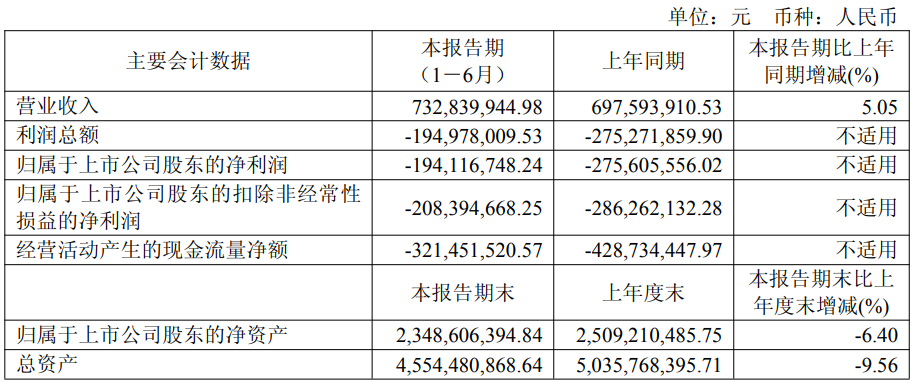
Core Viewpoint - Anheng Information (688023.SH) reported a revenue of 733 million yuan for the first half of 2025, reflecting a year-on-year growth of 5.05%, while the net profit attributable to shareholders was a loss of 194 million yuan, an improvement from a loss of 276 million yuan in the same period last year [1][3]. Financial Performance - Revenue for the first half of 2025 reached 733,839,944.98 yuan, up 5.05% from 697,593,910.53 yuan in the previous year [3]. - The total profit for the period was a loss of 194,978,009.53 yuan, compared to a loss of 275,271,859.90 yuan in the same period last year [3]. - The net profit attributable to shareholders was a loss of 194,116,748.24 yuan, improving from a loss of 275,605,556.02 yuan year-on-year [3]. - The net profit after deducting non-recurring items was a loss of 208,394,668.25 yuan, compared to a loss of 286,262,132.28 yuan in the previous year [3]. - The net cash flow from operating activities was -321,451,520.57 yuan, an improvement from -428,734,447.97 yuan in the same period last year [3]. Asset and Equity Position - As of the end of the reporting period, the net assets attributable to shareholders were 2,348,606,394.84 yuan, down 6.40% from 2,509,210,485.75 yuan at the end of the previous year [3]. - Total assets amounted to 4,554,480,868.64 yuan, a decrease of 9.56% from 5,035,768,395.71 yuan at the end of the previous year [3]. Historical Performance - From 2021 to 2024, the net profit attributable to shareholders was recorded at 13.81 million yuan, -254 million yuan, -360 million yuan, and -198 million yuan respectively [3]. - The net profit after deducting non-recurring items for the same period was -79.59 million yuan, -299 million yuan, -388 million yuan, and -237 million yuan respectively [3].

技术赋能,共筑网络安全防线
Ren Min Ri Bao· 2025-09-22 04:30
Group 1 - The event showcased advancements in network security technology, emphasizing the shift from passive defense to intelligent perception and proactive protection [2] - A variety of new technologies and applications were presented to enhance network security, addressing real-life needs and concerns of the public [2] - The exhibition featured interactive experiences, allowing attendees to engage with AI-driven security solutions and learn about their practical applications [3] Group 2 - The "gPass" framework by Ant Group integrates various biometric technologies to ensure secure authentication and enhance user experience with smart glasses [3] - The event highlighted the importance of public awareness in network security, with initiatives aimed at making security education more relatable to everyday life [3] - Companies like China Telecom and Qihoo 360 demonstrated innovative solutions for drone detection and AI model security, showcasing the integration of AI in safeguarding information [2][3]
心智观察所:美国网络安全智库的“反华合唱团”
Guan Cha Zhe Wang· 2025-09-22 01:58
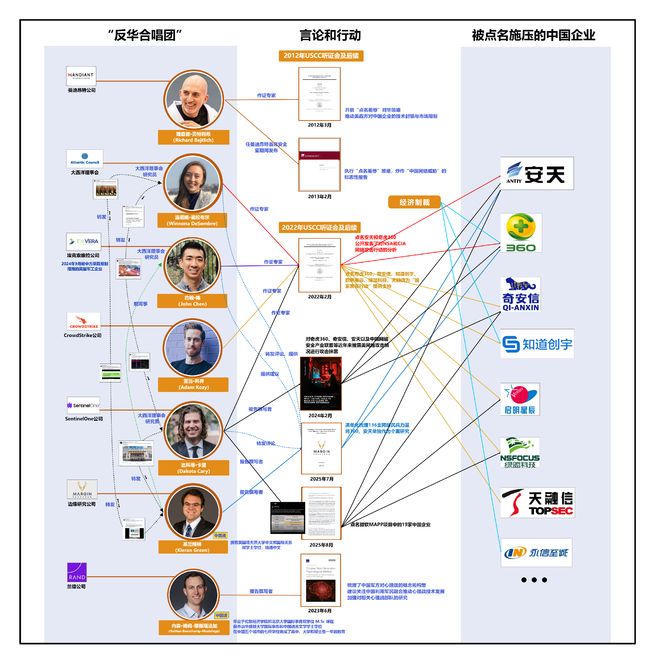
Core Viewpoint - The article discusses the increasing scrutiny and criticism of Chinese cybersecurity companies by U.S. experts and institutions, particularly focusing on the actions of Dakota Cary and the implications for the cybersecurity industry. Group 1: Criticism of Chinese Cybersecurity Companies - Dakota Cary, a prominent figure in U.S. cybersecurity, has accused several Chinese companies, including Alibaba and Baidu, of being "weapons suppliers" for state-sponsored hacking, distorting the nature of penetration testing services [1][3][6] - Cary's claims are seen as part of a broader strategy to isolate Chinese cybersecurity firms from international collaborations, particularly the Microsoft Active Protections Program (MAPP) [6][7] - Following Cary's accusations, Microsoft announced restrictions on Chinese companies' access to vulnerability information, which was celebrated by Cary as a victory [7][8] Group 2: Historical Context and Evolution - The article traces the origins of U.S. criticism of Chinese cybersecurity back to a 2012 congressional hearing where Richard Bejtlich accused the Chinese government of extensive cyber espionage [9][13] - This hearing marked the beginning of a decade-long focus on China as a primary adversary in cyberspace, leading to a series of reports and accusations against Chinese firms [13][14] - The narrative has evolved, with newer figures like Cary taking the lead in shaping public perception and policy against Chinese cybersecurity entities [17][20] Group 3: The Role of U.S. Cybersecurity Firms - U.S. cybersecurity firms, such as SentinelOne, have benefited from the political climate by increasing government contracts, with SentinelOne's government orders rising from 12% in 2021 to 37% by 2025 [32][33] - The article highlights a pattern where U.S. cybersecurity companies publish reports that criticize Chinese firms, which in turn helps them secure government contracts and funding [32][34] - The rise of companies like CrowdStrike and SentinelOne is linked to their ability to align with U.S. government interests and narratives against China [33][34] Group 4: Response from Chinese Cybersecurity Firms - In response to the accusations, Chinese cybersecurity companies have begun to publish their own reports exposing U.S. cyber activities, aiming to counter the narrative and assert their capabilities [36][37] - Reports from firms like Qihoo 360 and Antiy have detailed U.S. cyber attacks, marking a shift towards a more aggressive defense strategy against U.S. claims [35][36] - The article notes that these responses are part of a broader struggle for legitimacy and recognition in the global cybersecurity landscape [34][38] Group 5: Future Implications - The ongoing conflict between U.S. and Chinese cybersecurity firms reflects a larger geopolitical struggle, with implications for international cybersecurity cooperation and competition [48][49] - The article suggests that the U.S. is conducting a comprehensive assessment of China's cybersecurity capabilities, which may signal preparations for future cyber confrontations [48][49] - The narrative constructed by U.S. experts may influence policy decisions and funding allocations within the U.S. government, further entrenching the divide between the two nations in the cybersecurity domain [57][58]




美国网络安全智库的“反华合唱团”
Guan Cha Zhe Wang· 2025-09-22 01:38
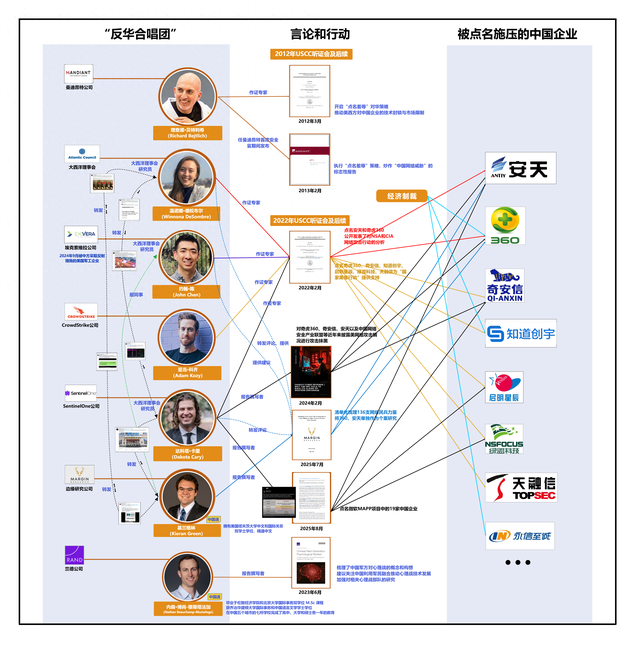
Core Viewpoint - The article discusses the increasing scrutiny and criticism of Chinese cybersecurity companies by U.S. experts and institutions, particularly focusing on the actions of Dakota Cary and the implications for the cybersecurity industry [1][3][9]. Group 1: Criticism of Chinese Cybersecurity Firms - Dakota Cary, a prominent figure in U.S. cybersecurity, has accused several Chinese companies, including Alibaba and Baidu, of being "weapons suppliers" for state-sponsored hacking [1][3]. - Cary's claims are based on the misinterpretation of penetration testing services, which are standard in the cybersecurity industry and not inherently malicious [3][7]. - The U.S. cybersecurity landscape has seen a rise in anti-China rhetoric, with Cary and others labeling Chinese firms as threats to national security [9][10]. Group 2: U.S. Cybersecurity Strategy and Actions - The Microsoft Active Protections Program (MAPP) has been a focal point, with Cary pushing for the exclusion of Chinese firms from this initiative, arguing that they pose a risk of leaking vulnerabilities to state actors [7][8]. - Following Cary's pressure, Microsoft announced restrictions on Chinese companies' access to vulnerability information, indicating a shift in U.S. cybersecurity policy [8][9]. - The article highlights a pattern where U.S. cybersecurity firms gain government contracts and funding by promoting narratives that vilify Chinese companies [34][35]. Group 3: Historical Context and Evolution - The narrative against Chinese cybersecurity firms has roots in earlier U.S. congressional hearings, such as the 2012 USCC hearing, which established China as a primary adversary in cyberspace [16][18]. - The article traces the evolution of U.S. cybersecurity firms' strategies, noting how they have leveraged political narratives to secure government contracts and enhance their market positions [19][36]. - Recent hearings in 2022 further solidified this trend, with experts calling for direct sanctions against Chinese entities, reflecting a more aggressive stance [20][23]. Group 4: Response from Chinese Cybersecurity Firms - In response to the accusations, Chinese cybersecurity firms have begun to publish reports exposing U.S. cyber activities, aiming to counter the negative narratives [36][38]. - Companies like Qihoo 360 and An Tian have released findings on U.S. cyberattacks, showcasing their capabilities and challenging the claims made by U.S. experts [37][41]. - The article emphasizes the ongoing struggle between U.S. and Chinese cybersecurity firms, with each side attempting to assert its narrative in the global cybersecurity landscape [40][49]. Group 5: Implications for the Future - The article suggests that the increasing scrutiny of Chinese cybersecurity firms may lead to a more fragmented global cybersecurity environment, with potential implications for international cooperation [49][50]. - The actions of U.S. experts and firms may also signal a broader strategy to undermine Chinese technological advancements in cybersecurity [56][59]. - The ongoing conflict in narratives and actions between U.S. and Chinese cybersecurity entities reflects a larger geopolitical struggle, with significant consequences for the industry as a whole [59].