丝绸文化产业

Search documents
数字技术“唤醒”千年之美 古老丝绸纹样“活”了
Yang Shi Xin Wen· 2026-01-29 19:24
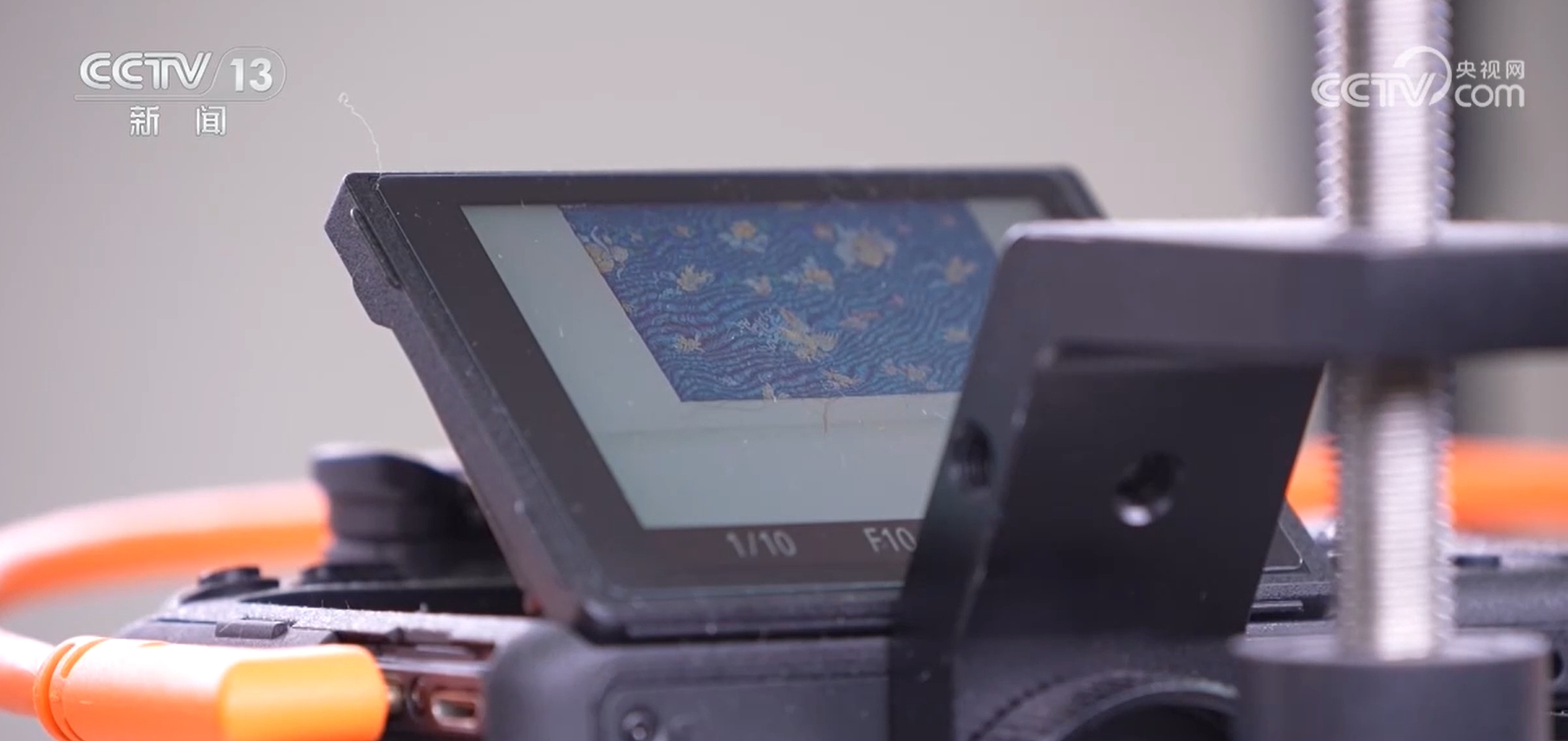
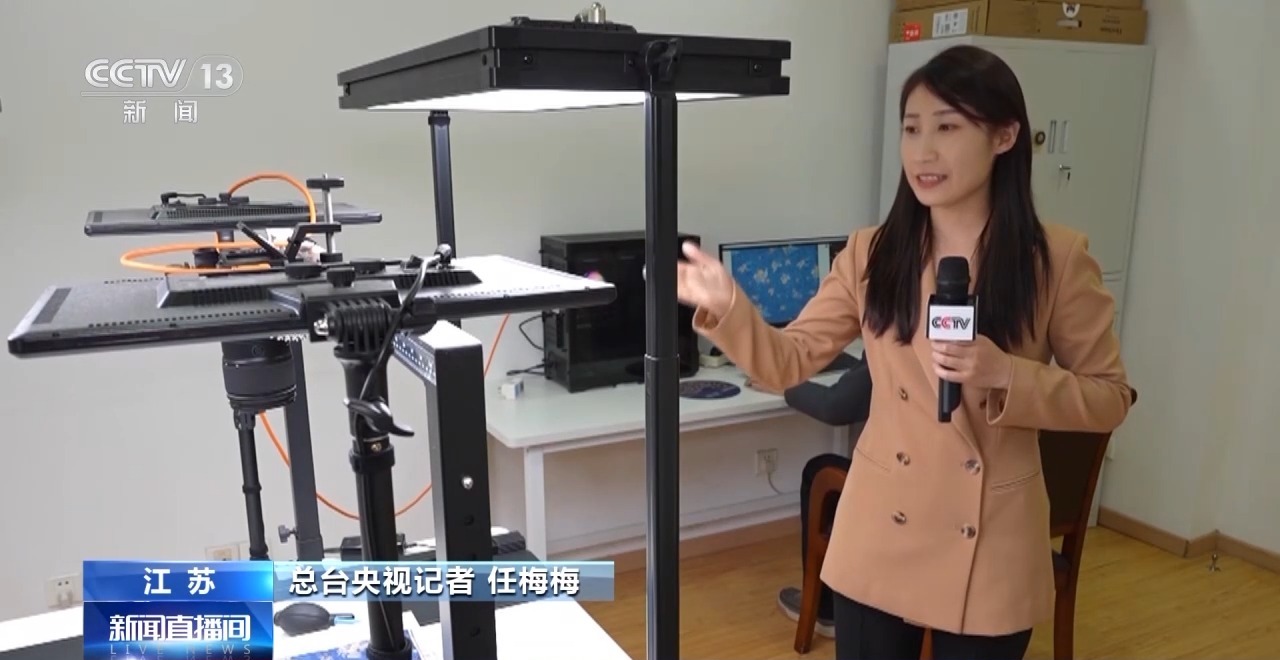
Core Viewpoint - The integration of digital technology with traditional silk patterns in Suzhou is revitalizing ancient craftsmanship and creating new opportunities for the silk culture industry [1][2]. Group 1: Digital Transformation of Silk Patterns - Suzhou has established a "Silk Culture Digital Center" through collaboration among museums, enterprises, and universities to create precise digital archives for silk artifacts [2]. - A self-developed hyperspectral imaging chip is being utilized for the digital collection of silk patterns, enhancing data extraction efficiency [4][6]. - The new collection system has increased the daily collection capacity from over 200 pieces to more than 1,000 pieces, significantly reducing costs by two-thirds [8][6]. Group 2: Enhanced Data Collection and Analysis - The digital extraction system allows for the accurate restoration of silk artifacts' original appearance, addressing challenges posed by light refraction [9]. - The system can capture images across different wavelengths, enabling the synthesis of detailed textures, materials, and stitching details of silk patterns [11]. - A database has been created with over 50,000 silk patterns, allowing for precise keyword searches and thematic organization [13]. Group 3: Cultural and Creative Product Development - The database serves as a "source code" for designers, enabling them to explore variations and combinations of patterns across different silk garments [16]. - AI tools within the database can automatically generate vector graphics and sketches, facilitating the design process [18]. - Collaborations with over 20 companies have led to the development of more than 200 cultural and creative products, showcasing the fusion of traditional craftsmanship and modern technology [21]. Group 4: New Applications and Market Opportunities - The digital innovation of silk patterns is creating new scenarios and products, including immersive exhibitions and reimagined fashion items [22]. - The "Chinese Jiangnan Silk Color" derived from the database is becoming a new source of inspiration for designers [24]. - The museum is actively promoting the use of its color palette and patterns to fashion designers for the creation of new products that reflect traditional aesthetics [27].

数智化赋能 传统丝绸纹样焕发生机
Yang Shi Wang· 2026-01-29 09:10
Core Viewpoint - The article highlights the transformation of traditional silk patterns into digital resources in Suzhou, leveraging new technologies to revitalize ancient designs and enhance the silk culture industry. Group 1: Digital Transformation of Silk Patterns - Suzhou is utilizing new technology to convert traditional silk patterns into applicable digital resources, breathing new life into ancient designs previously housed in museums [1] - A "Silk Culture Digital Center" has been established through collaboration among museums, enterprises, and universities, where precise digital archives for each silk artifact are being created [3] Group 2: Technological Innovations - A digital device for silk pattern collection, equipped with a domestically developed hyperspectral imaging smart chip, plays a crucial role in extracting data from silk patterns and colors [5] - The new system significantly improves the efficiency of pattern collection, allowing for a daily maximum of over 1,000 pieces, compared to the previous European equipment's limit of around 200 pieces [5] Group 3: Database Development - The "Silk Culture Digital Center" has completed the authentic digital collection of 16,000 silk artifacts, with over 50,000 patterns now included in the silk pattern database [10] - The database features multiple thematic collections and allows for precise keyword searches, enabling users to quickly find specific patterns like "peony patterns" [10] Group 4: Cultural and Creative Applications - The database serves as a "source code" for designers, showcasing the evolution of patterns across different silk garments and enabling quick cultural tracing of each pattern [13] - A new tool has been designed to extract colors from patterns, linking RGB values with traditional Chinese color names, aiming to create a color spectrum for product development [15] Group 5: New Product Development - The digital innovation in silk patterns is fostering new scenarios and products, including immersive 270° films that showcase the unique aesthetics and historical evolution of Chinese silk patterns [17] - The silk pattern database has inspired new creative products, such as fashion items and everyday accessories, integrating traditional designs into modern contexts [19][21]