
丝绸纹样数据库

Search documents
数字技术“唤醒”千年之美 古老丝绸纹样“活”了
Yang Shi Xin Wen· 2026-01-29 19:24
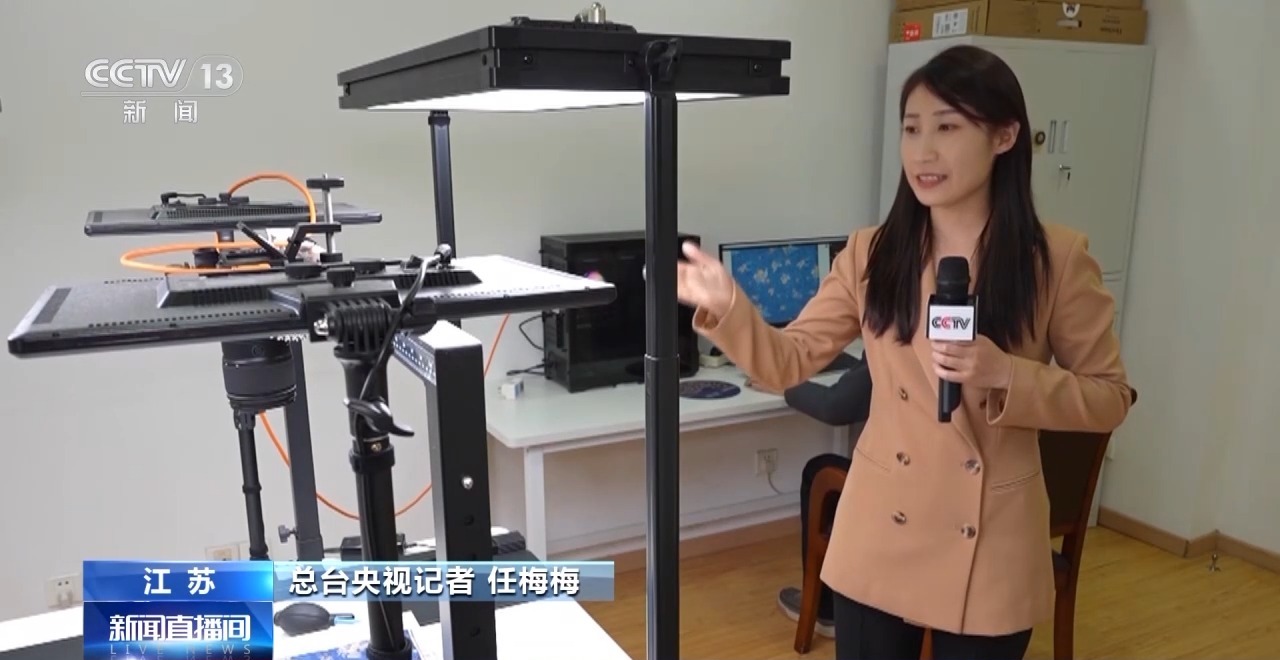
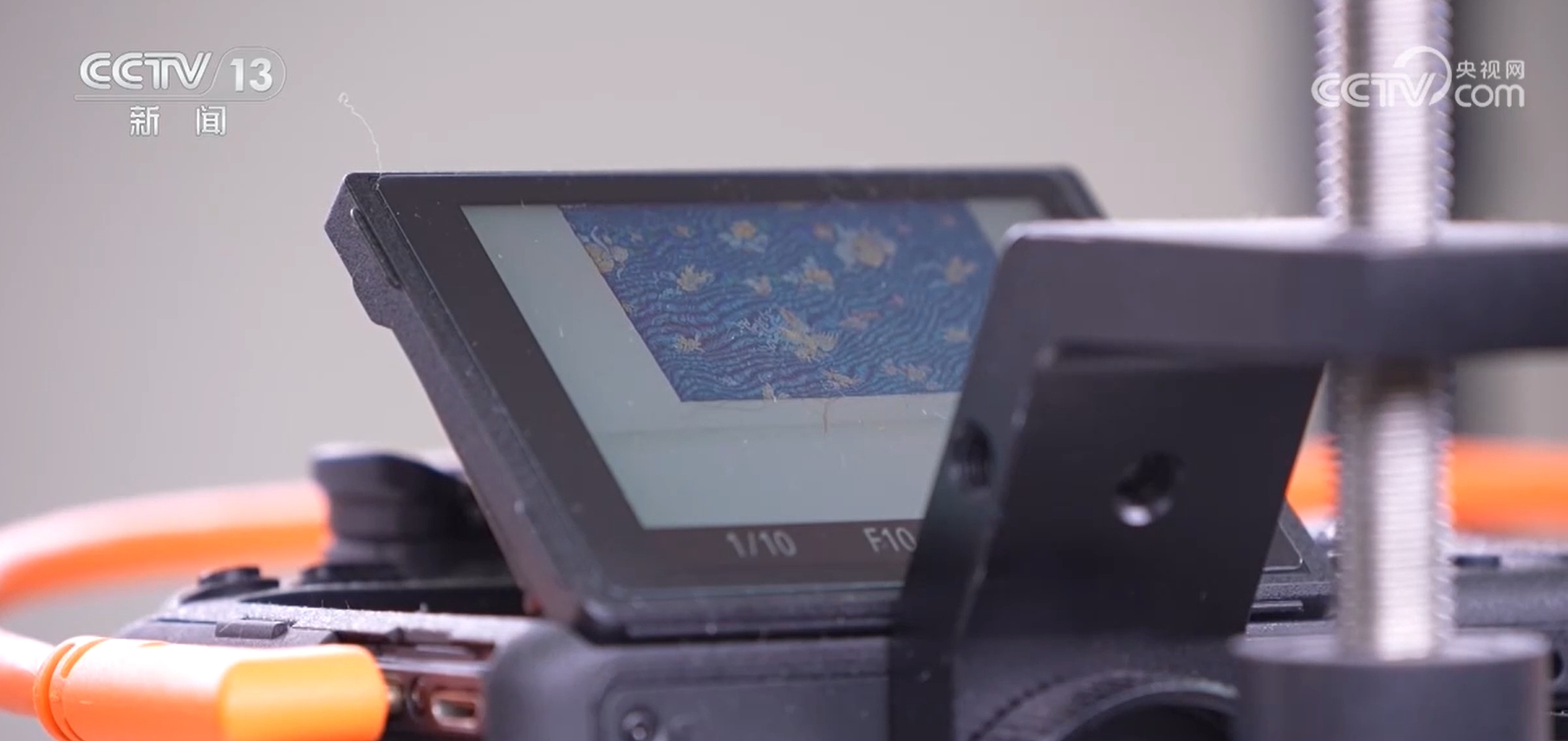
Core Viewpoint - The integration of digital technology with traditional silk patterns in Suzhou is revitalizing ancient craftsmanship and creating new opportunities for the silk culture industry [1][2]. Group 1: Digital Transformation of Silk Patterns - Suzhou has established a "Silk Culture Digital Center" through collaboration among museums, enterprises, and universities to create precise digital archives for silk artifacts [2]. - A self-developed hyperspectral imaging chip is being utilized for the digital collection of silk patterns, enhancing data extraction efficiency [4][6]. - The new collection system has increased the daily collection capacity from over 200 pieces to more than 1,000 pieces, significantly reducing costs by two-thirds [8][6]. Group 2: Enhanced Data Collection and Analysis - The digital extraction system allows for the accurate restoration of silk artifacts' original appearance, addressing challenges posed by light refraction [9]. - The system can capture images across different wavelengths, enabling the synthesis of detailed textures, materials, and stitching details of silk patterns [11]. - A database has been created with over 50,000 silk patterns, allowing for precise keyword searches and thematic organization [13]. Group 3: Cultural and Creative Product Development - The database serves as a "source code" for designers, enabling them to explore variations and combinations of patterns across different silk garments [16]. - AI tools within the database can automatically generate vector graphics and sketches, facilitating the design process [18]. - Collaborations with over 20 companies have led to the development of more than 200 cultural and creative products, showcasing the fusion of traditional craftsmanship and modern technology [21]. Group 4: New Applications and Market Opportunities - The digital innovation of silk patterns is creating new scenarios and products, including immersive exhibitions and reimagined fashion items [22]. - The "Chinese Jiangnan Silk Color" derived from the database is becoming a new source of inspiration for designers [24]. - The museum is actively promoting the use of its color palette and patterns to fashion designers for the creation of new products that reflect traditional aesthetics [27].

数智化赋能 传统丝绸纹样焕发生机
Yang Shi Wang· 2026-01-29 09:10
Core Viewpoint - The article highlights the transformation of traditional silk patterns into digital resources in Suzhou, leveraging new technologies to revitalize ancient designs and enhance the silk culture industry. Group 1: Digital Transformation of Silk Patterns - Suzhou is utilizing new technology to convert traditional silk patterns into applicable digital resources, breathing new life into ancient designs previously housed in museums [1] - A "Silk Culture Digital Center" has been established through collaboration among museums, enterprises, and universities, where precise digital archives for each silk artifact are being created [3] Group 2: Technological Innovations - A digital device for silk pattern collection, equipped with a domestically developed hyperspectral imaging smart chip, plays a crucial role in extracting data from silk patterns and colors [5] - The new system significantly improves the efficiency of pattern collection, allowing for a daily maximum of over 1,000 pieces, compared to the previous European equipment's limit of around 200 pieces [5] Group 3: Database Development - The "Silk Culture Digital Center" has completed the authentic digital collection of 16,000 silk artifacts, with over 50,000 patterns now included in the silk pattern database [10] - The database features multiple thematic collections and allows for precise keyword searches, enabling users to quickly find specific patterns like "peony patterns" [10] Group 4: Cultural and Creative Applications - The database serves as a "source code" for designers, showcasing the evolution of patterns across different silk garments and enabling quick cultural tracing of each pattern [13] - A new tool has been designed to extract colors from patterns, linking RGB values with traditional Chinese color names, aiming to create a color spectrum for product development [15] Group 5: New Product Development - The digital innovation in silk patterns is fostering new scenarios and products, including immersive 270° films that showcase the unique aesthetics and historical evolution of Chinese silk patterns [17] - The silk pattern database has inspired new creative products, such as fashion items and everyday accessories, integrating traditional designs into modern contexts [19][21]
“彣芯雕龙·丝绸文化数字中心”正式落户苏州丝绸博物馆
Yang Guang Wang· 2025-06-17 03:02
Core Viewpoint - The establishment of the "Wenxin Diaolong·Silk Culture Digital Center" in Suzhou marks a significant advancement in the digitalization of silk culture, aiming to enhance cultural resource management and innovation in applications [1][2][3] Group 1: Digitalization Efforts - The Suzhou Silk Museum houses approximately 100,000 silk patterns, with a digital collection project utilizing a self-developed "intelligent lighting authentic collection" system that improves collection speed by over 30% compared to traditional methods [2] - The digital collection has already surpassed 20,000 data entries, with expectations to exceed 50,000 by the end of the year, establishing the largest original silk pattern database in the country [2] Group 2: Collaborative Initiatives - Suwen Investment Group has partnered with Beijing University of Posts and Telecommunications and Suzhou Silk Museum to form the Suzhou Cultural Metaverse Laboratory, focusing on the digitalization of silk patterns and achieving multiple national honors [1][2] - The collaboration has led to the development of a series of well-received cultural products and services, including the "Future Museum" experience space, enhancing visitor engagement [2] Group 3: Cultural Impact - The digital innovation in silk patterns has resulted in a 253% increase in visitor numbers for the Suzhou Silk Museum in 2024 compared to the previous year, with over half of the visitors being from the post-90s and post-00s generations [2] - The center aims to replicate its digitalization framework across other cultural sectors such as gardens, embroidery, and traditional crafts, promoting high-quality development in Suzhou's cultural digitalization efforts [3]
“彣芯雕龙·丝绸文化数字中心”落地苏州丝绸博物馆
Su Zhou Ri Bao· 2025-06-15 00:25
Core Insights - The "Wenxin Diaolong·Silk Culture Digital Center" has been officially established at the Suzhou Silk Museum, focusing on the digitization of traditional silk patterns [1] - The center aims to transform 100,000 traditional silk patterns into digital resources that can be computed and applied [1] - The collaboration between Suwen Investment Group, Beijing University of Posts and Telecommunications, and Suzhou Silk Museum has led to the establishment of a cultural metaverse laboratory and a silk pattern database [1] Group 1 - The "Cai Sun Can" cultural resource technology service platform and the silk pattern database have been launched, marking a significant step in revitalizing traditional silk culture through digital technology [1] - The "intelligent lighting original collection" system developed by Beijing University of Posts and Telecommunications has improved the efficiency of pattern collection by 30% [2] - As of now, nearly 20,000 silk patterns have been collected, with a target of 50,000 by the end of the year [2] Group 2 - The establishment of a standardized cultural data labeling process is crucial for creating detailed digital archives for each silk pattern [2] - The "one core six sides" decoding method will provide comprehensive insights into the aesthetic wisdom embedded in traditional patterns [2] - The center will explore innovative applications and market transformation of pattern data, including immersive digital exhibitions and educational courses [3] Group 3 - The collaboration has led to the development of a digital offline experience space called the "Future Museum" and various popular cultural products [3] - Future plans include the replication of the digitalization framework in other cultural fields such as garden design, embroidery, and traditional opera [3] - The ongoing efforts aim to contribute to the high-quality development of cultural digitization in Suzhou [3]