
共享设备租赁

Search documents
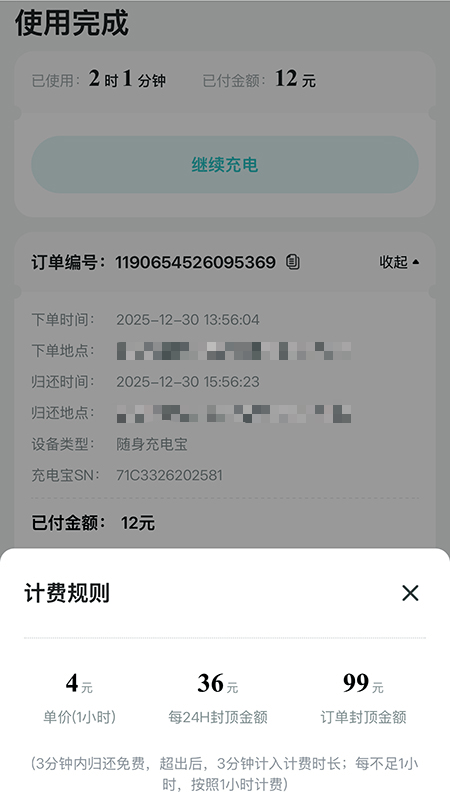
4元/小时,2小时1分钟12元?
Sou Hu Cai Jing· 2026-01-26 11:06
Core Viewpoint - The shared charging treasure industry is facing significant consumer complaints due to issues such as inconsistent billing practices, difficulties in returning devices, and safety concerns regarding products lacking 3C certification [1][9][10]. Group 1: Billing Issues - Different stores of the same brand exhibit varying billing rules, leading to confusion among consumers [4][7]. - A case in Shanghai showed that charging for 2 hours and 1 minute resulted in a total fee of 12 yuan, with the extra minute charged as a full hour [5]. - Consumers are often charged for additional time in a manner that is perceived as unfair, with many expressing frustration over the need to time their returns precisely to avoid extra charges [7][9]. Group 2: Return Difficulties - Reports indicate that consumers frequently encounter problems when attempting to return devices, with some being charged exorbitant fees after unsuccessful returns [9][10]. - A consumer reported being charged 99 yuan after returning a device, highlighting the lack of effective return mechanisms [9]. - The issue of "return difficulty" has been a consistent complaint, with consumers opting to rent from locations that minimize the risk of additional charges [9][10]. Group 3: Safety and Certification Concerns - Many shared charging devices in circulation lack the necessary 3C certification, raising safety concerns among users [10][15]. - Despite regulations set to enforce 3C certification, some brands continue to operate devices that do not meet safety standards [10][15]. - The lack of compliance with safety regulations poses risks to consumers and complicates enforcement efforts [15]. Group 4: Consumer Sentiment and Complaints - Consumer feedback on social media platforms indicates widespread dissatisfaction, with many users rating services poorly [12]. - Historical reports from consumer protection agencies have consistently highlighted issues such as high prices and inconsistent billing practices [13][14]. - The shared charging treasure industry has seen a rise in complaints, particularly regarding billing anomalies and return difficulties [14]. Group 5: Recommendations for Improvement - Experts suggest that companies should enhance technology, improve device durability, and optimize operational efficiency to foster healthy industry growth [16]. - Calls for standardized billing practices and improved regulatory oversight have been made to address the prevalent issues [16]. - Establishing a "shared point whitelist" and a complaint mechanism could help alleviate return difficulties and enhance consumer protection [16][17].

不能给消费者添堵!“还不上”的共享设备该治治了
Xin Hua Wang· 2025-08-21 23:45
Core Viewpoint - The "good borrowing, difficult returning" issue of shared devices like bikes and power banks has become a significant consumer complaint, prompting calls for improved management and solutions in the industry [1][2][3] Group 1: Consumer Complaints - A video from a consumer in Wuhan highlighted difficulties in returning a shared bike, leading to a charge of 10 yuan due to system errors, which sparked widespread discussion on social media [1] - Complaints about shared bikes and power banks include issues like failed returns even when within designated areas and the inability to find available return points [1][2] - The China Consumers Association reported that complaints regarding the return difficulties of shared devices have become a major focus in the first quarter of the year [2] Group 2: Expert Opinions and Recommendations - Experts suggest addressing the "good borrowing, difficult returning" problem to enhance consumer trust and ensure that shared services remain convenient [2] - Recommendations include establishing service standards for the shared economy, improving system reliability, and implementing monitoring and risk assessment for complaints related to device returns [2] - Specific suggestions for power banks include scientifically allocating return devices and charging stations based on usage patterns to minimize empty slots [2] Group 3: Industry Initiatives - Local initiatives, such as the self-regulation agreement launched by the Beijing Consumers Association, aim to ensure sufficient space in shared power bank cabinets for timely returns [3] - The agreement stipulates that companies should suspend charges if consumers face difficulties returning devices due to lack of available space [3]